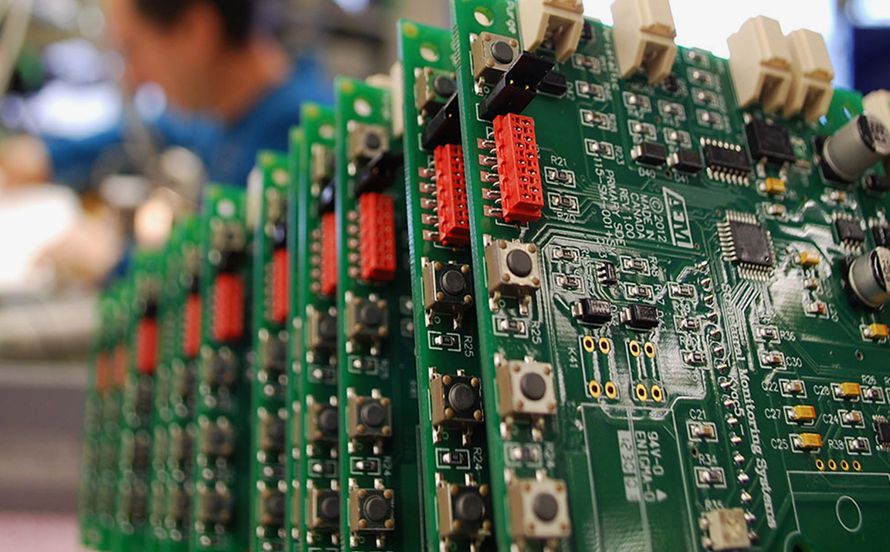
Through Hole PCB Assembly Services
Your Through Hole PCB Assembly Partner
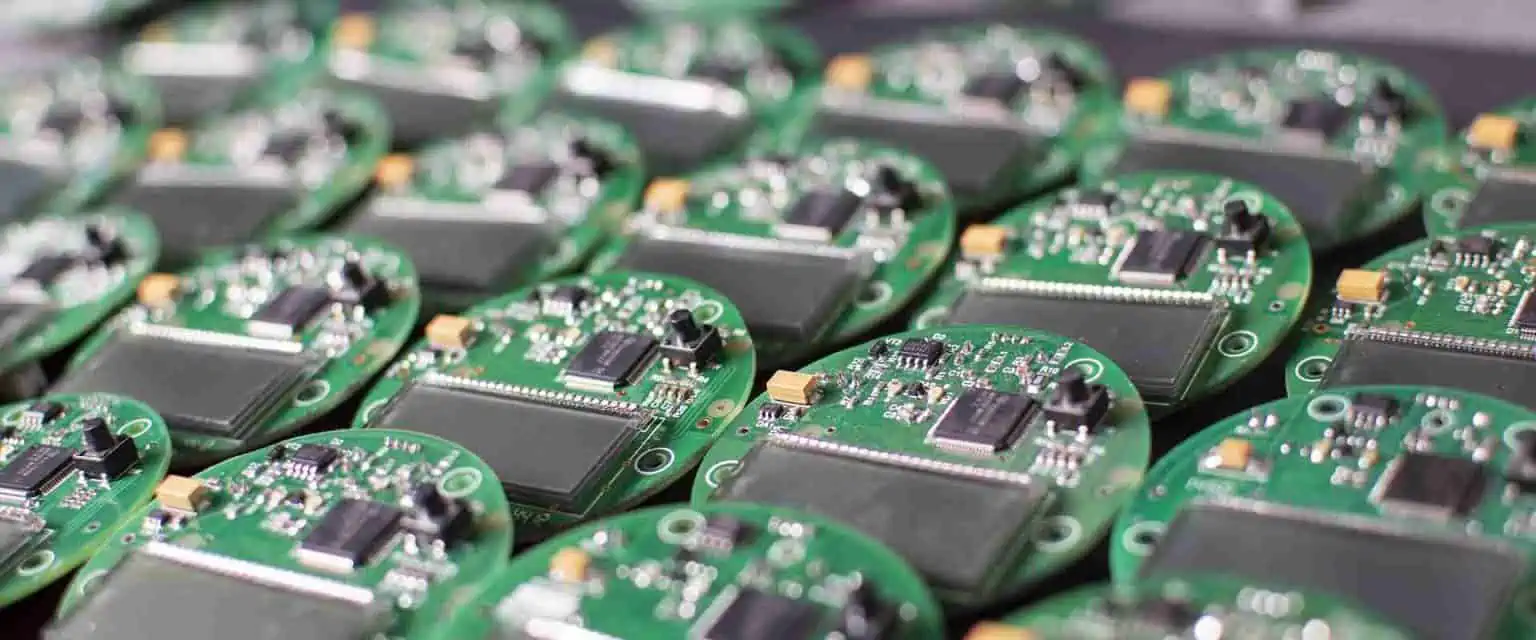
Kingda provides professional through hole PCB assembly services for electronic products requiring reliable component insertion, soldering, inspection, and testing. From component sourcing and THT soldering to mixed-technology assembly, inspection, and functional testing, we support projects from prototype builds to small- and medium-volume production.
What Is Through Hole PCB Assembly?
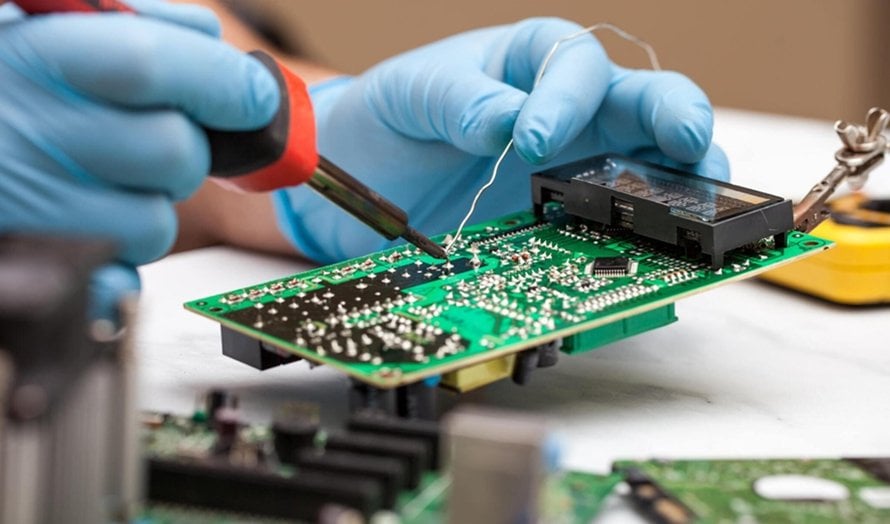
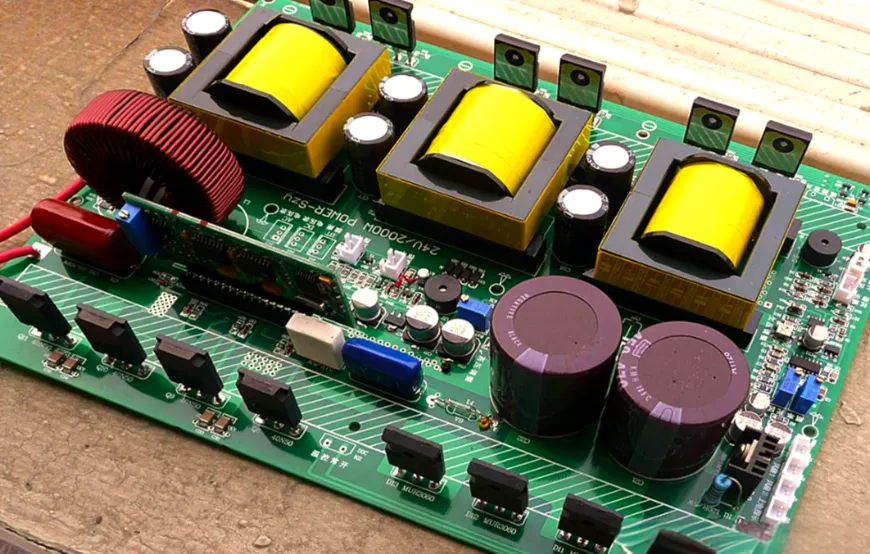
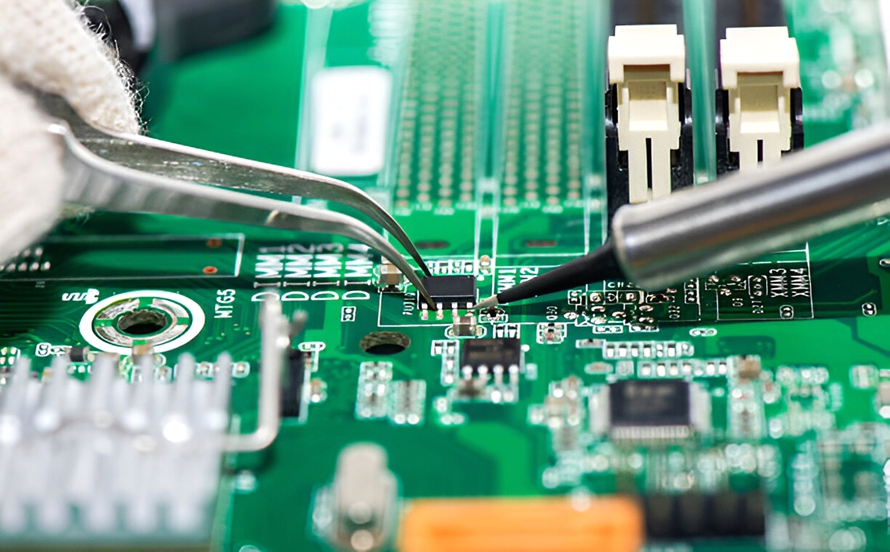
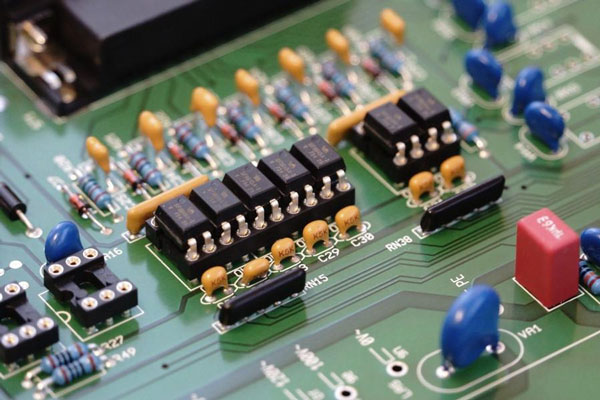
Through hole PCB assembly, also known as through-hole technology (THT) assembly, is a PCB assembly process in which component leads are inserted through drilled holes in a printed circuit board and soldered to conductive pads to create electrical and mechanical connections.
Unlike surface mount technology (SMT), which mounts components directly onto PCB surfaces, THT provides strong mechanical connections for components such as connectors, relays, transformers, terminal blocks, and large capacitors.
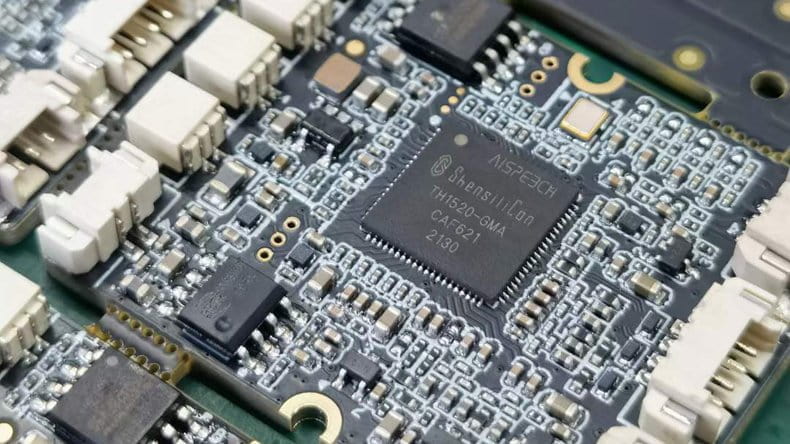
For products combining both technologies, SMT assembly and THT assembly can be integrated into a coordinated manufacturing process to meet different electrical, mechanical, and space requirements.
Our Through Hole PCB Assembly Capabilities
Through-Hole Component Assembly
Assembly of leaded components, including connectors, relays, terminal blocks, transformers, and other through-hole devices according to approved BOMs and assembly drawings.
Mixed SMT and THT Assembly
Coordinated assembly for PCBs combining surface-mount and through-hole components, with the manufacturing sequence determined by board layout and process requirements.
DIP Soldering and Assembly
Controlled component insertion and soldering based on component specifications, board design, and applicable workmanship criteria.
Inspection and Functional Testing
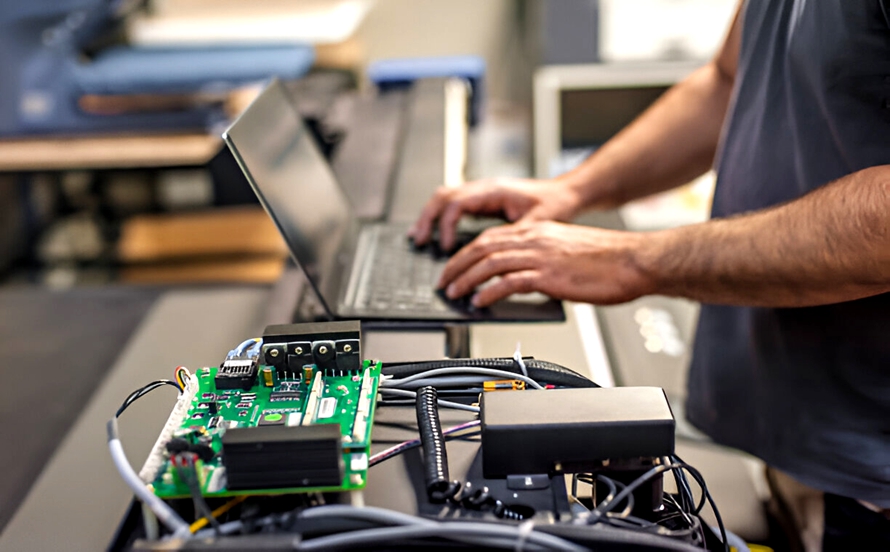
Visual inspection, applicable optical inspection, and electrical or functional testing according to project requirements and the agreed quality plan.
Through Hole PCB Assembly Process
01. Engineering Review
02. Component Sourcing and Preparation
03. Component Insertion and Assembly
04. Soldering and Process Control
05. Inspection and Testing
06. Final Assembly and Delivery
Applications of Through Hole PCB Assembly
Through-hole technology remains useful in applications where connector retention, mechanical strength, power handling, or specific component designs influence the assembly method.
Why Choose Kingda for Through Hole PCB Assembly Services?
Integrated Manufacturing Services
Coordinate PCB manufacturing, component sourcing, SMT, THT/DIP assembly, and testing through one manufacturing partner.
Engineering and BOM Support
Review BOM information, component specifications, and assembly documentation to identify potential production issues before manufacturing.
Flexible Production Volumes
Support prototype development, validation builds, pilot runs, and low- to medium-volume production based on project requirements.
Quality-Focused Manufacturing
Apply inspection and testing procedures appropriate to the product, assembly process, and agreed acceptance criteria.
Clear Project Coordination
Keep engineering, procurement, production, and quality requirements aligned throughout the manufacturing process.
Through Hole PCB Assembly FAQs
Through hole PCB assembly is a process in which component leads are inserted through drilled holes in a PCB and soldered to establish electrical connections and mechanical attachment. It is also known as THT assembly.
THT components have leads that pass through PCB holes, while SMT components are mounted directly onto PCB surface pads. THT is often selected for components requiring strong mechanical attachment or specific leaded package designs, while SMT supports compact layouts and high-density component placement.
Yes. Many electronic products combine SMT and THT components. The appropriate assembly sequence depends on component placement, soldering requirements, thermal limits, and board design.
Common examples include connectors, terminal blocks, relays, transformers, large capacitors, switches, and selected power components.
Quality control may include component placement checks, visual inspection of solder joints, verification against applicable workmanship criteria, and electrical or functional testing as specified in the project quality plan.
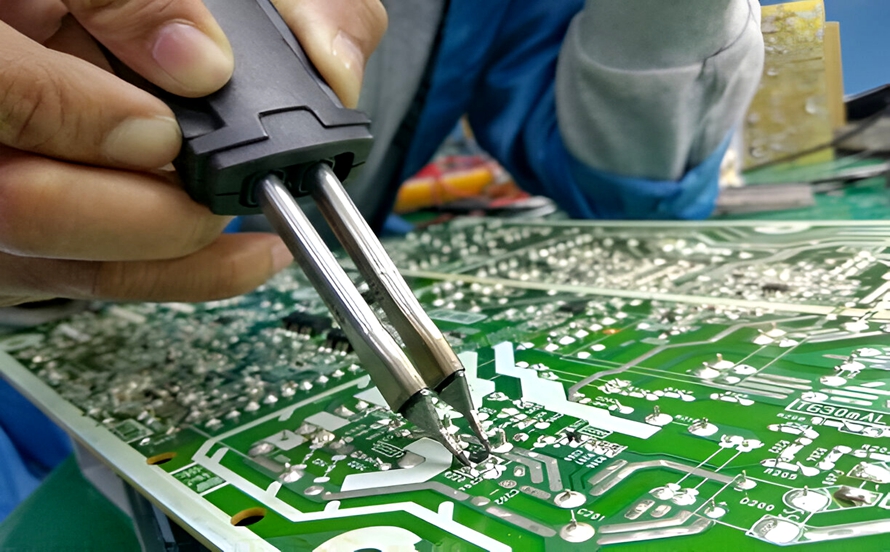
Common soldering methods for through hole PCB assembly include manual soldering, wave soldering, and selective soldering. The appropriate method depends on PCB design, component layout, production volume, and thermal requirements. For mixed-technology PCBs, the soldering process must also account for nearby SMT components and heat-sensitive devices.
Yes. Kingda provides one-stop PCBA manufacturing support, coordinating PCB manufacturing, component sourcing, SMT and THT/DIP assembly, inspection, and testing according to the confirmed project scope. This helps simplify supplier coordination throughout the manufacturing process.
For an accurate quotation, please provide the BOM, Gerber files, drill data, assembly drawings, order quantity, and testing requirements. If available, include component datasheets and special assembly instructions to help our engineering team evaluate your project.
Yes. Through-hole assembly can be used for prototype builds, design validation, pilot runs, and low- to medium-volume production. The appropriate production arrangement depends on board complexity, component availability, assembly requirements, and order quantity.
The cost depends on PCB specifications, component types and quantities, sourcing requirements, assembly complexity, soldering methods, inspection coverage, testing requirements, and production volume. Providing complete manufacturing files helps improve quotation accuracy and reduce potential engineering uncertainties.
To request a quotation, send Kingda your BOM, PCB fabrication files, assembly drawings, target quantity, and required delivery schedule. Our team can review the project requirements and confirm the appropriate manufacturing scope, lead time, and quotation details.