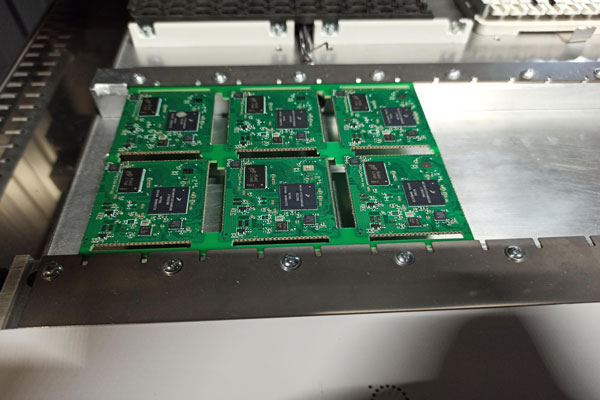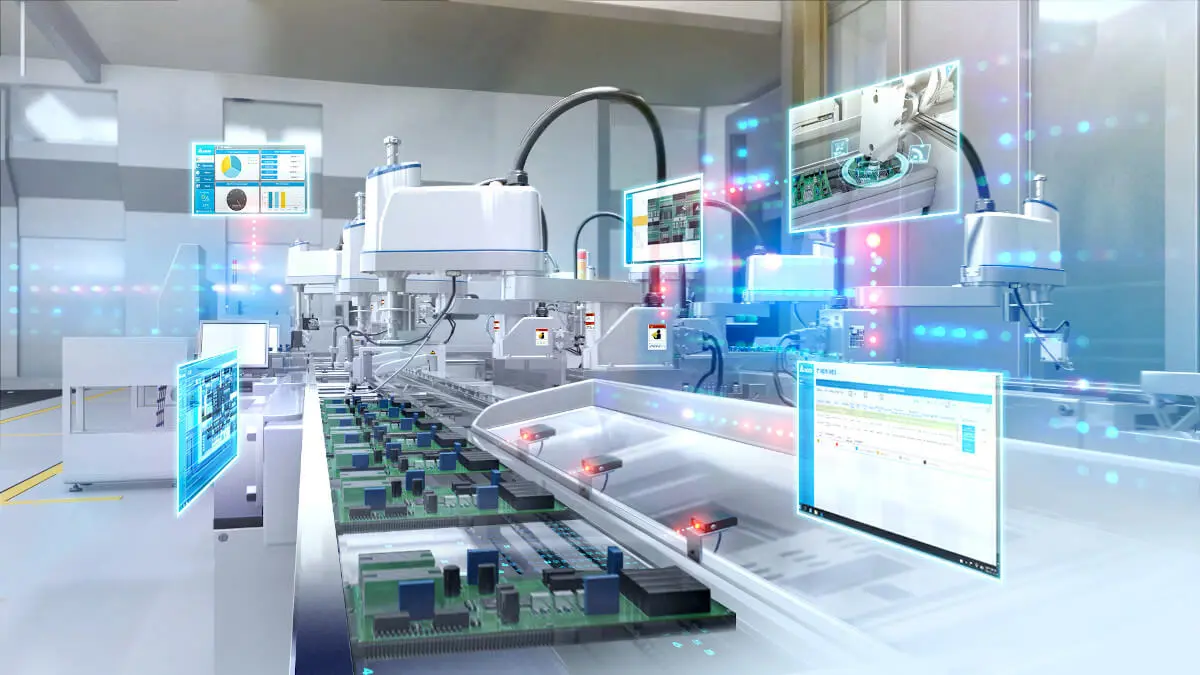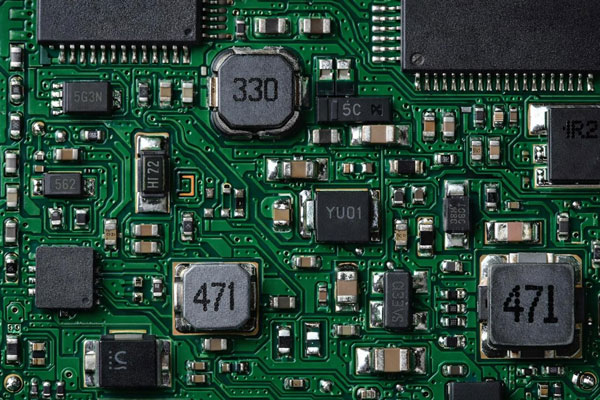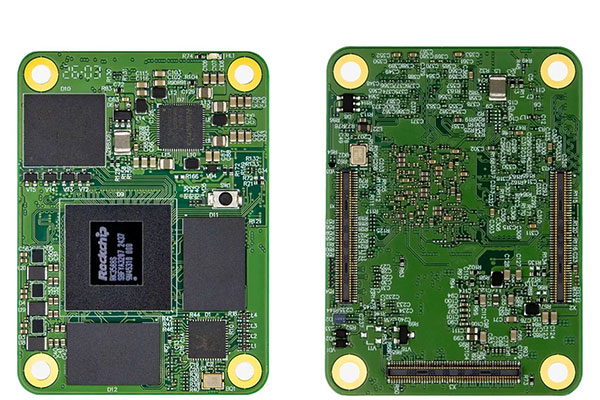
Surface Mount Technology (SMT) PCB Assembly Services
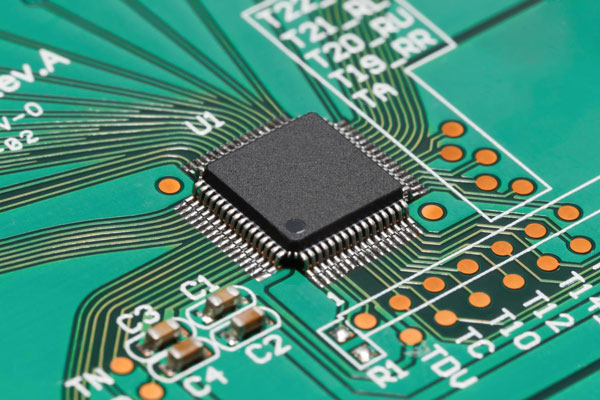
SMT PCB assembly is a widely used electronic manufacturing process that enables compact designs, high component density, and reliable electrical performance. It is essential for modern electronic products that require precise component placement, consistent soldering quality, and efficient production.
Kingda provides SMT PCB assembly services for electronic product developers and manufacturers, from prototype builds and engineering validation to low- and medium-volume production. With automated SMT production lines, experienced engineers, and a dedicated quality control team, we help customers turn PCB designs into assembled electronic products.
Our one-stop PCBA manufacturing services cover PCB manufacturing, component sourcing, SMT assembly, through-hole assembly, inspection, functional testing, and final product assembly. Whether you are developing a new electronic device or looking for a reliable manufacturing partner for recurring production, Kingda provides manufacturing support tailored to your project requirements.
SMT PCB Assembly Capabilities
Kingda combines automated SMT production equipment with engineering support and systematic quality control to handle a wide range of PCB Assembly requirements.
Our SMT PCB Assembly Manufacturing Process
1. Engineering Review and DFM
Before production, our engineers review the Gerber files, BOM, pick-and-place data, PCB specifications, and assembly drawings. Design for Manufacturability (DFM) analysis helps identify potential issues involving component spacing, pad design, polarity, and assembly feasibility.
2. Solder Paste Printing and SPI
Solder paste is applied to PCB pads using a stencil printing process. Our 3D Solder Paste Inspection (SPI) equipment checks solder paste deposition to help identify printing issues before component placement.
3. Automated SMT Component Placement
Automated placement equipment positions components according to the approved pick-and-place data. Placement parameters are configured according to component specifications and PCB assembly requirements.
4. Reflow Soldering
PCBs pass through a multi-zone reflow oven using a temperature profile selected for the solder paste, PCB materials, and component requirements. Controlled reflow helps form reliable solder joints while minimizing unnecessary thermal stress.
5. Automated Optical Inspection
Automated Optical Inspection (AOI) checks visible assembly features and helps identify issues such as missing components, placement errors, polarity problems, and detectable soldering defects.
6. X-Ray Inspection
X-ray inspection is used when required, particularly for assemblies containing BGA components or other solder joints that cannot be fully assessed through optical inspection alone.
7. Through-Hole Assembly and Functional Testing
For mixed-technology PCBs, through-hole components are assembled using the appropriate soldering process. Programming, electrical testing, and functional testing can be arranged according to the product specifications and agreed test procedures.
8. Final Inspection and Packaging
Completed assemblies undergo final inspection against the approved requirements. Appropriate ESD-protective packaging helps protect assembled PCBs during storage and transportation.
Why Choose Kingda for SMT PCB Assembly?
Automated SMT Production
Kingda operates four SMT production lines supported by automated solder paste printing, 3D SPI, multi-zone reflow soldering, AOI, and X-ray inspection equipment. These capabilities support efficient component placement and controlled manufacturing processes for a range of PCB assembly requirements.
Engineering Support
Our team of 30 engineers supports DFM analysis, engineering review, process planning, and manufacturing problem-solving. We work with customers to clarify technical requirements before production and address issues that may affect assembly quality or production readiness.
This support is particularly valuable when introducing a new product, assembling complex PCBs, or transitioning from prototype builds to repeat orders.
Dedicated Quality Control
With more than 20 QC personnel, Kingda maintains quality checks across incoming materials, manufacturing processes, and finished products.
Our inspection capabilities include 3D SPI, AOI, and X-ray inspection where appropriate. Inspection criteria and additional testing requirements are established according to the product specifications and agreed quality standards.
Kingda applies IPC-A-610 as an assembly acceptance reference where specified by the project requirements.
One-Stop PCBA Manufacturing
SMT assembly is only one part of the electronic manufacturing process. Kingda can coordinate PCB manufacturing, component sourcing, SMT assembly, through-hole assembly, functional testing, and final product assembly through one manufacturing partner.
This integrated service model helps reduce supplier coordination, simplify communication, and improve visibility across the production process.
Flexible Prototype and Low-Volume Production
Kingda supports high-mix, low- and medium-volume manufacturing, typically ranging from 50 to 5,000 pieces, depending on project requirements.
We understand that prototype and small-batch projects often involve design revisions, component availability challenges, and changing production schedules. Our flexible manufacturing approach helps customers validate designs, refine products, and prepare for repeat production.
Production Planning and Delivery Coordination
Our MES and production planning processes help track manufacturing progress and coordinate production activities. We work to maintain delivery commitments and communicate potential issues promptly so customers can make informed decisions about their projects.
Applications of SMT PCB Assembly
SMT PCB assembly is used across a broad range of electronic products. Kingda supports customers developing and manufacturing products in the following industries:
Medical Electronics PCB Assembly
Industrial Control PCB Assembly
Energy Electronics PCB Assembly
Telecommunications Electronics
Internet of Things
Artificial Intelligence
SMT PCB Assembly vs. Through-Hole Assembly

SMT Assembly
Surface Mount Technology
- Compact PCB designs
- High component density
- Automated component placement
- Fine-pitch SMD components

Through-Hole Assembly
THT / DIP Assembly

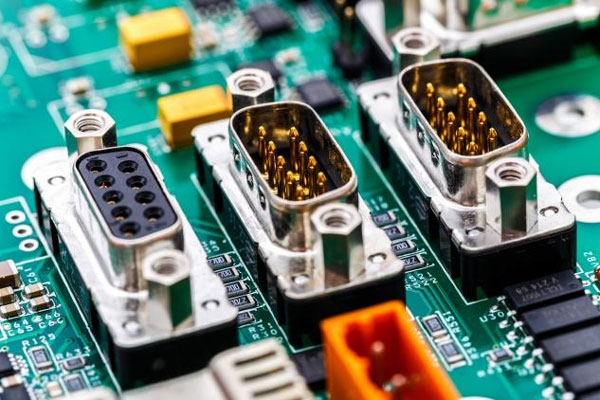
- Components inserted through PCB holes
- Connectors and mechanical parts
- Mechanical anchoring where needed
- Selected power components
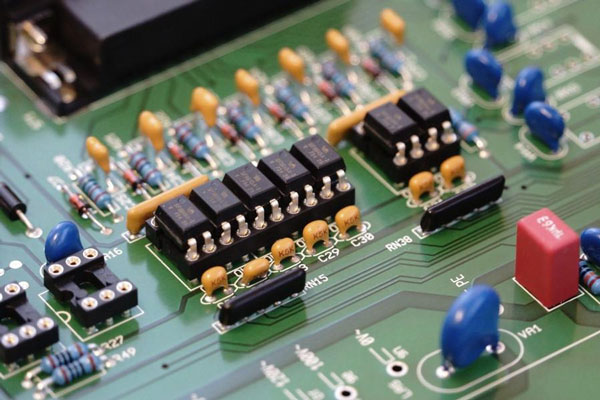
Many electronic products combine SMT and through-hole components on the same PCB. Kingda supports both assembly processes, with inspection and testing tailored to project requirements.
From PCB Assembly to Complete PCBA Manufacturing
SMT PCB assembly focuses on mounting surface-mount components onto a printed circuit board. Depending on the product design, additional processes may be required to complete the assembly.
Kingda offers a broader range of PCBA manufacturing services to support these requirements:
- PCB manufacturing
- Electronic component sourcing
- SMT component placement and reflow soldering
- Through-hole assembly
- AOI and X-ray inspection
- Electrical and functional testing
- Conformal coating where required
- Final product and box-build assembly
By coordinating these services, Kingda helps customers manage multiple manufacturing stages through a single supplier, from bare PCB production to tested electronic assemblies and finished products.
How to Get an SMT PCB Assembly Quote
2) Equipped with a team of 30 electronic engineers, put forward constructive improvement suggestions for DFM manufacturability inspection and engineering process in the production to effectively improve product quality and production efficiency.
3) If there is an abnormal situation in the smt pcb manufacturing process, start the Quick Response mechanism,, in which professional sales personnel contact customers and respond to any abnormal situation within 1 hour.
4) Implement MES electronic information system, effectively supervise PMC production planning process, and ensure the delivery time.
5) ESD electrostatic protection pearl cotton or electrostatic bag for safety packaging, to ensure the safety of the product during transportation.
To help us evaluate your project and prepare an accurate quotation, please provide the following information.
1. Bill of Materials (BOM)
Include manufacturer part numbers, quantities, component descriptions, and approved alternatives, if applicable.
2. Gerber Files
Provide the PCB manufacturing data and relevant board specifications.
3. Pick-and-Place File
Include component reference designators, X/Y coordinates, and rotation data.
4. Assembly Drawings and Technical Requirements
Provide assembly drawings, polarity information, special process requirements, and testing specifications where available.
5. Production Quantity
Specify your prototype quantity, initial production volume, and estimated recurring demand.
After receiving your files, our team will review the technical requirements, component availability, manufacturing processes, and testing needs. We will then provide a quotation and estimated lead time based on the project scope.
SMT PCB Assembly FAQs
SMT PCB assembly is the process of mounting electronic components directly onto the surface of a printed circuit board. It supports compact product designs and automated manufacturing for a wide range of electronic devices.
To prepare a quotation, please provide your Bill of Materials (BOM), Gerber files, and pick-and-place file. Assembly drawings, PCB specifications, testing requirements, and estimated order quantity are also helpful for evaluating your project.
Yes. Kingda supports prototype builds, engineering validation, and low- to medium-volume production. Our flexible manufacturing services help customers validate designs, refine products, and transition to repeat production.
Yes. Kingda provides electronic component sourcing based on your approved BOM. We can also work with customer-supplied components when consignment arrangements are agreed in advance.
Yes. Kingda supports BGA, QFN, QFP, and other precision component packages. Assembly feasibility depends on component pitch, PCB layout, package specifications, and process requirements, which our engineering team reviews before production.
Kingda supports electronic manufacturing projects in industrial IoT, industrial control, medical electronics, energy and battery management, communications, AI edge computing, and consumer IoT. Manufacturing and testing requirements are tailored to each product and its applicable standards.
Our quality control process includes incoming material inspection, 3D Solder Paste Inspection (SPI), Automated Optical Inspection (AOI), X-ray inspection where required, and final inspection. Functional or electrical testing can also be arranged according to the product specifications and agreed test procedures.
SMT mounts components directly onto PCB surface pads, making it suitable for compact layouts and high component density. Through-hole assembly inserts component leads through drilled holes in the PCB and is often used for connectors and components requiring specific mechanical support. Kingda supports both processes for mixed-technology PCB assembly.
Lead time depends on PCB manufacturing, component availability, assembly complexity, testing requirements, and order quantity. After reviewing your project files and material requirements, Kingda can provide an estimated production schedule for your order.
Yes. Kingda offers one-stop PCBA manufacturing services that can include PCB manufacturing, component sourcing, SMT assembly, through-hole assembly, inspection, functional testing, and final product assembly according to your project requirements.
Yes. Functional testing and programming can be arranged when the required firmware, programming files, test procedures, and fixtures are available. The testing scope is confirmed with the customer before production.
Send us your BOM, Gerber files, pick-and-place data, and estimated production quantity. Our team will review your manufacturing requirements, component availability, and testing needs before providing a quotation and estimated lead time.