Low Volume PCB Assembly Services
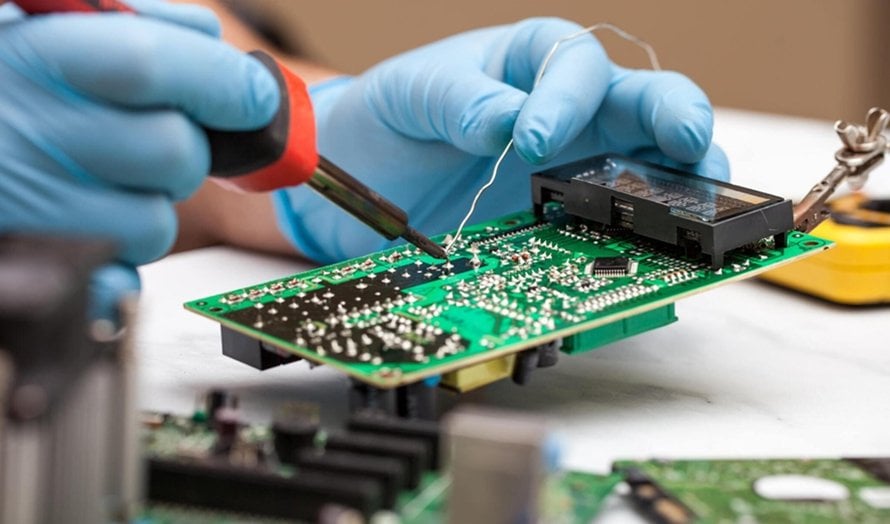
Reliable PCB assembly for prototypes, pilot runs, and small-batch production. Kingda supports high-mix, low-volume projects from PCB manufacturing and component sourcing to SMT, DIP, inspection, and testing.
- Home
- Low Volume PCB Assembly
What Is Low Volume PCB Assembly?
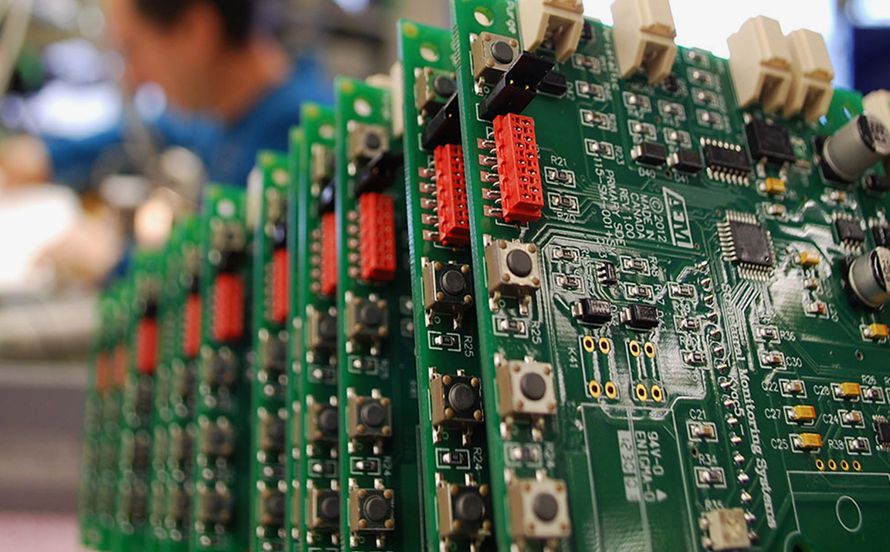
Low volume PCB assembly is commonly used when a product has moved beyond the initial prototype stage but does not yet require mass production.
It allows engineering teams to validate product performance, test the manufacturing process, identify potential production issues, and prepare the product for a larger production run.
Typical Production Stages
Prototype → Validation → Pilot Production → Low Volume Production
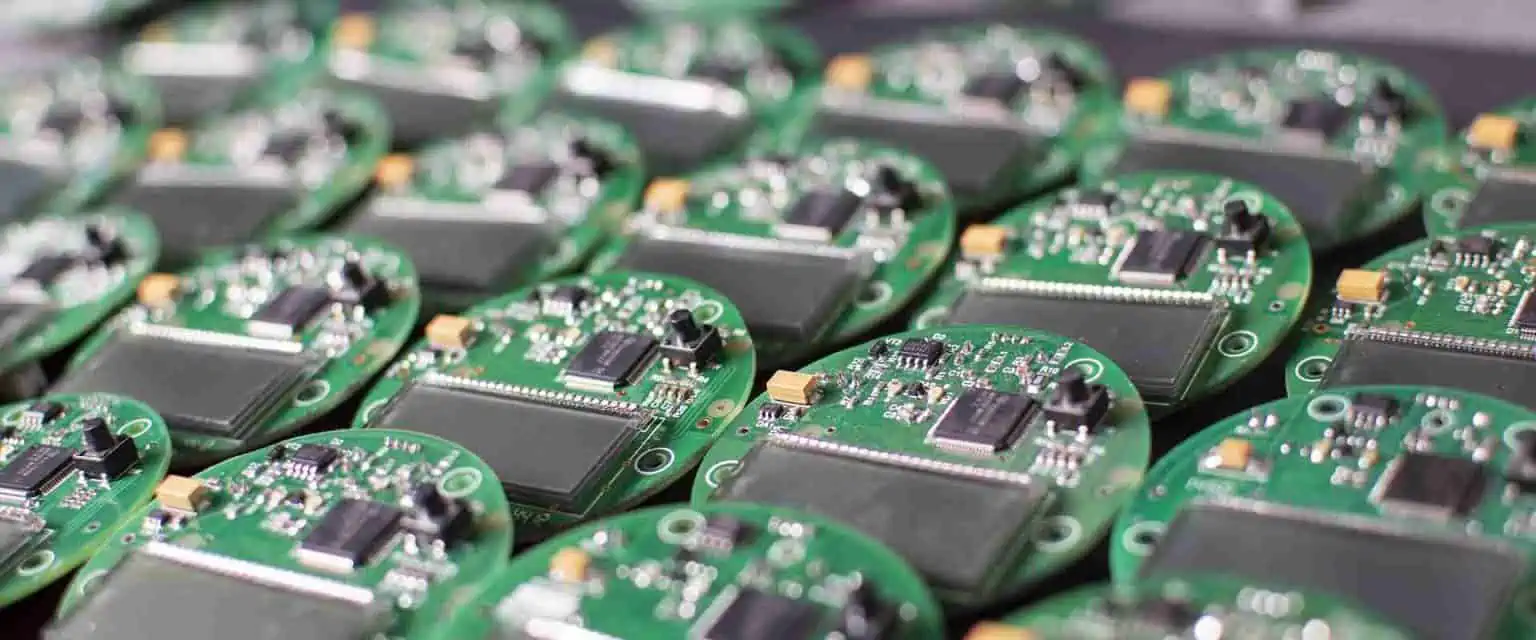
At Kingda, typical low volume PCB assembly projects range from 50 to 5,000 pcs, depending on the product, PCB design, component requirements, and production stage.
When Is Low Volume PCB Assembly Needed?
Low volume assembly is commonly used for:
- Engineering validation
- Product testing
- Pilot production
- Customer samples
- Initial product launches
- Market evaluation
- Small-batch commercial production
- Products with fluctuating or relatively low demand
For companies developing new electronic products, low volume production provides a practical way to move from design validation toward repeatable manufacturing without immediately committing to mass production.
From Prototype to Low Volume Production
The transition from prototype to production is not always a single step. Product teams often need to validate the design first, confirm the manufacturing process, and then gradually increase production quantities.
Kingda supports this transition through the same PCB and PCBA manufacturing workflow.
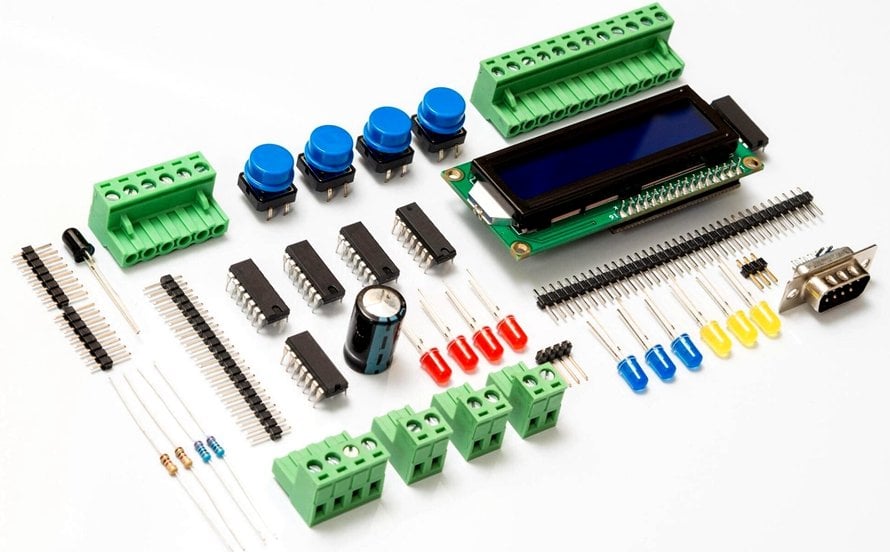
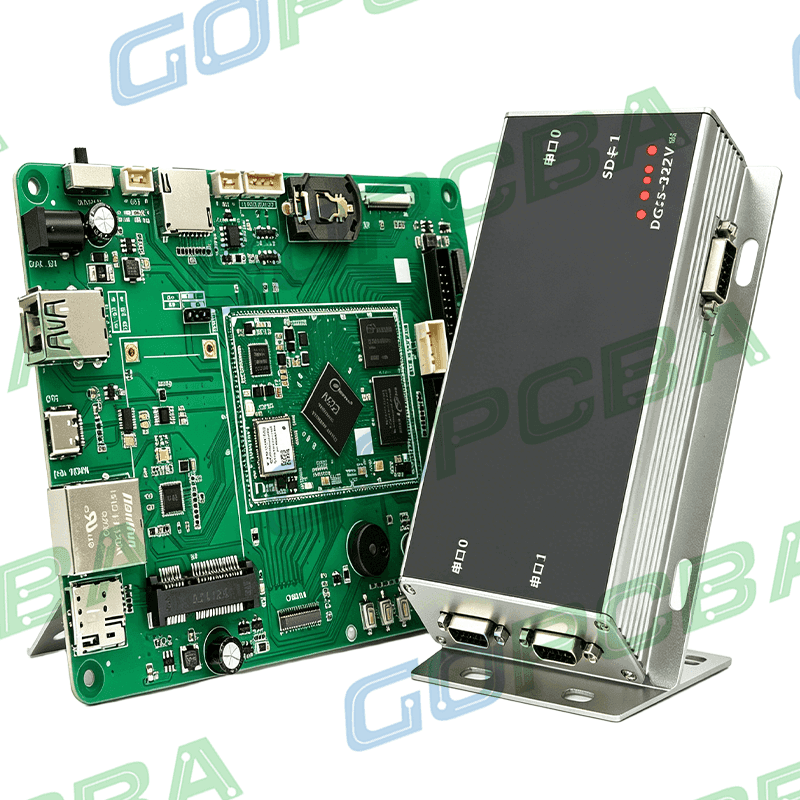
Prototype: Design Validation
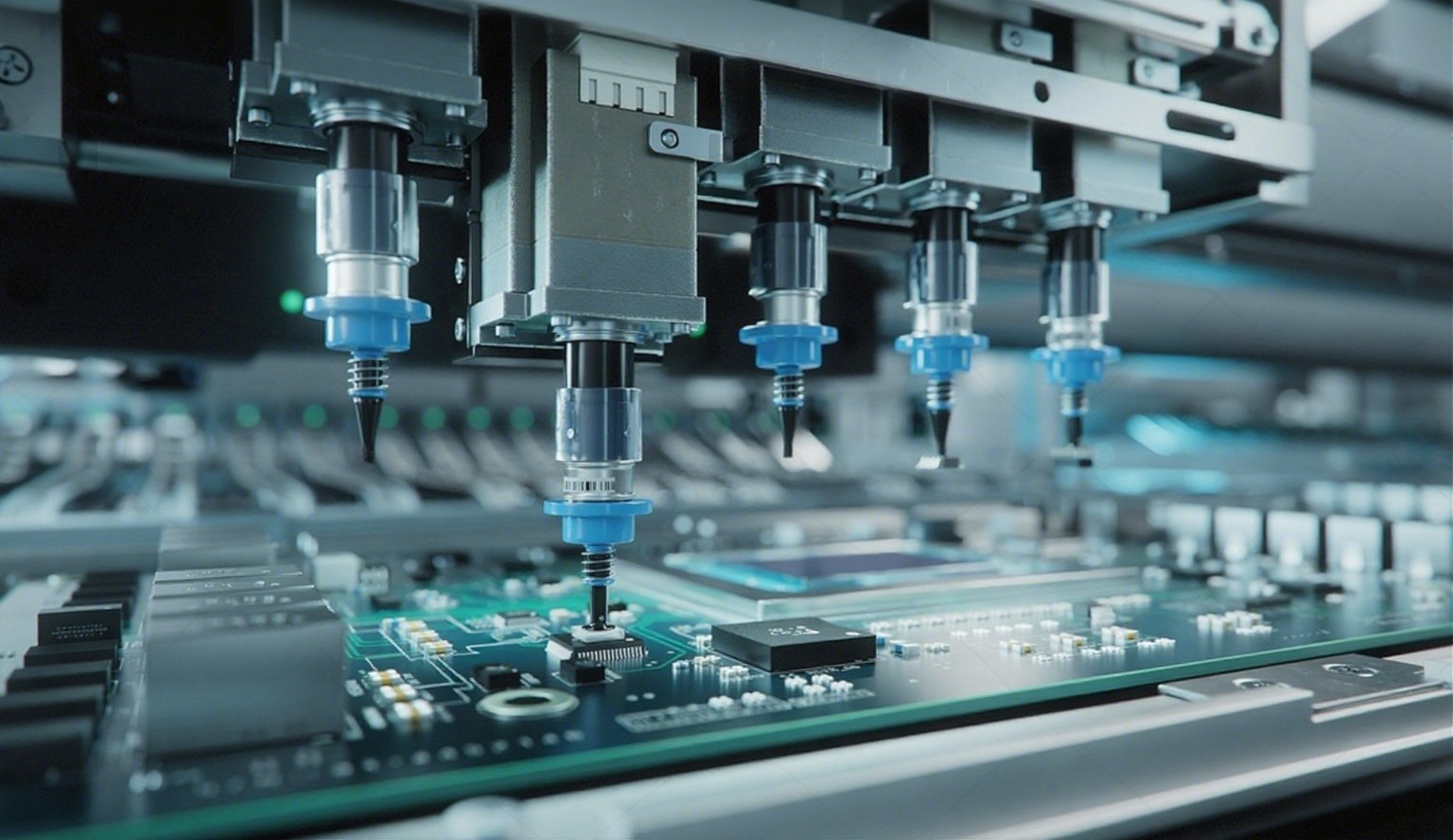
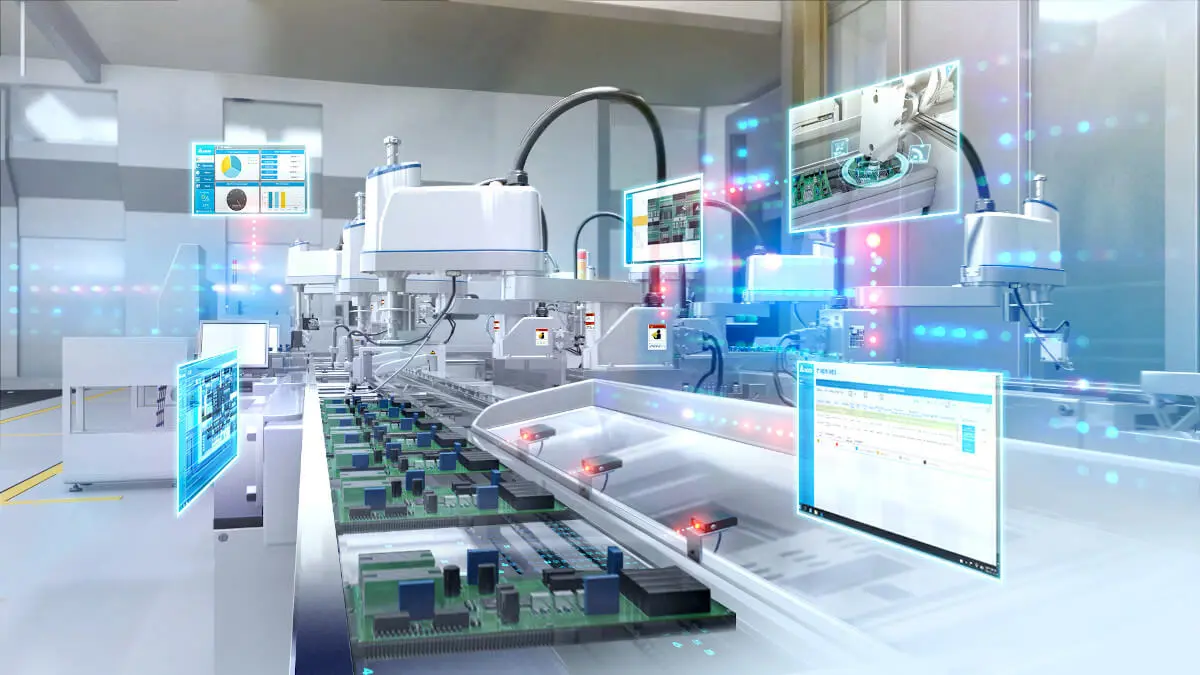
Pilot Production: Process Validation
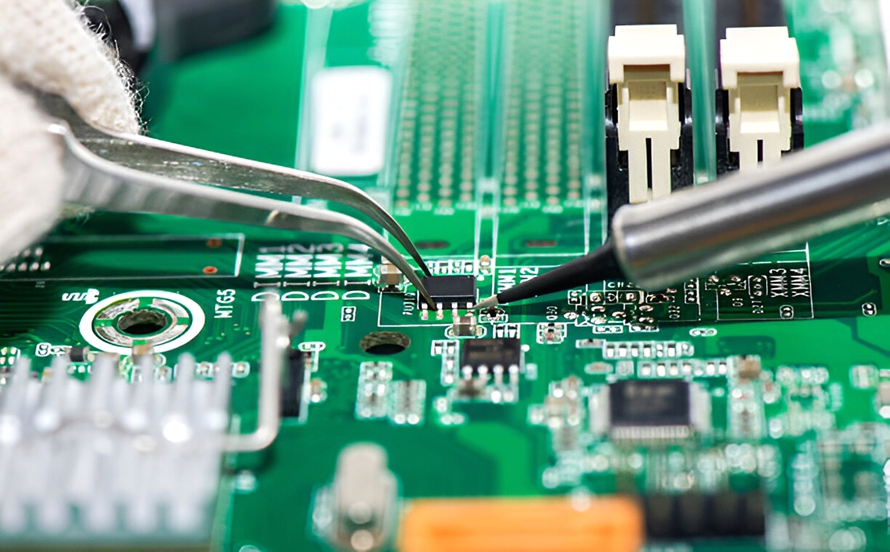
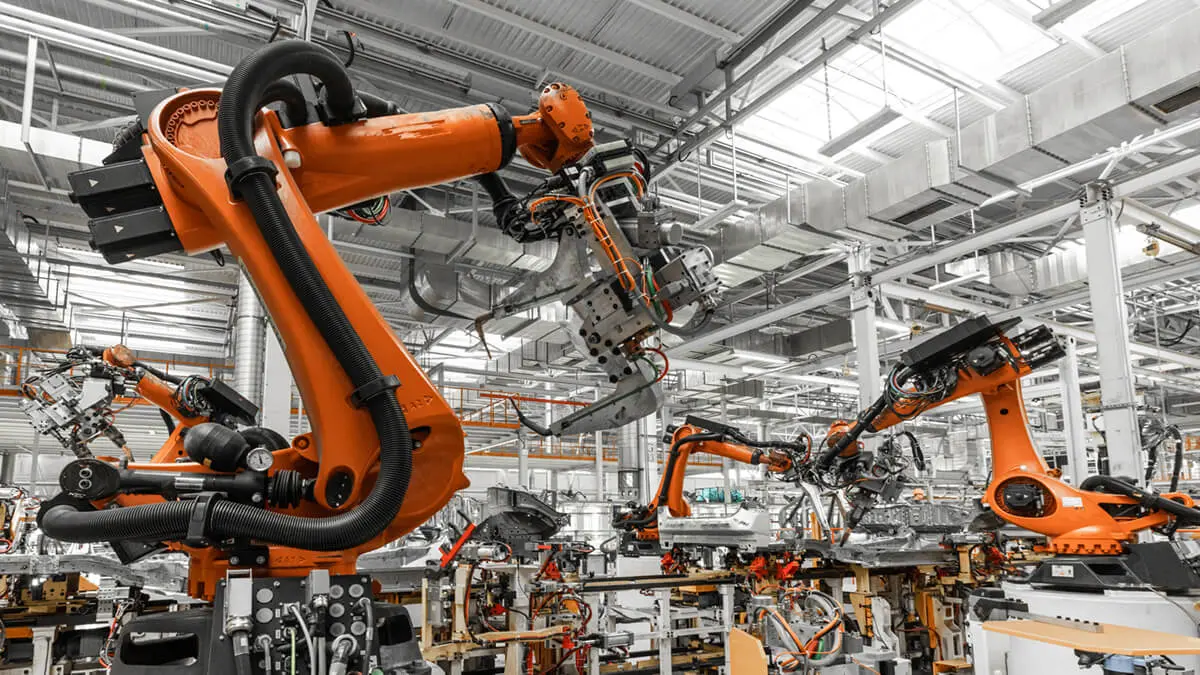
Low Volume Production: Small-Batch Manufacturing
One Manufacturing Partner Throughout the Production Transition
Low Volume PCB Assembly Services
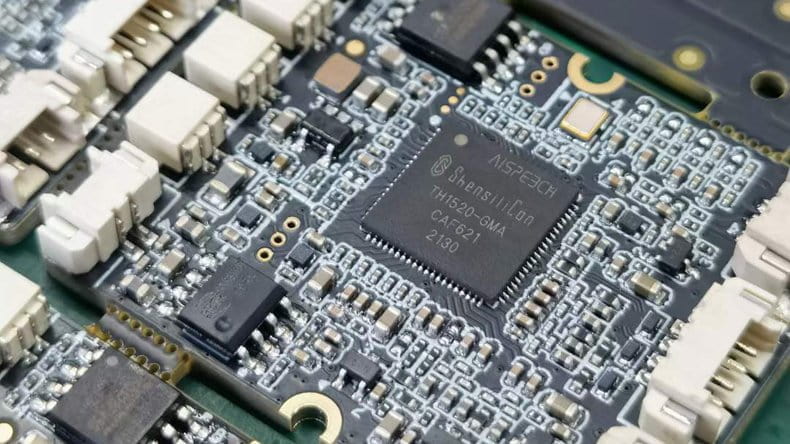
Kingda provides a complete range of PCB and PCBA manufacturing services for prototype, pilot, and low volume production.
Engineering Support for Low Volume PCB Assembly
Small-batch production still requires careful engineering review.
A manufacturing issue identified before production is usually easier to resolve than an issue discovered after assembly. Kingda‘s engineering team reviews available manufacturing data and works with customers to identify potential production risks before the build.
BOM Review
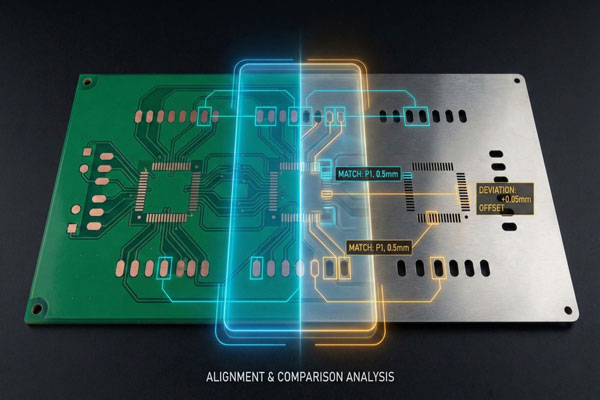
DFM Review
Assembly Review
Testability
Engineering Communication
Flexible Material & Sourcing Options
Turnkey
Kingda manages PCB manufacturing, component sourcing, and PCB assembly according to the approved BOM and project requirements.
Partial Turnkey
Customers provide selected components while Kingda sources the remaining materials required for production.
Consigned
Customers provide the required components for assembly, while Kingda manages the PCB assembly process according to the agreed BOM and production requirements.
This flexibility allows customers to work with Kingda even when they already have selected components in stock or have established sourcing channels.
Quality Control for Low Volume PCB Assembly
Quality control is integrated throughout the production process rather than performed only at the final inspection stage.
- 01 · Incoming Inspection
- 02 · SPI
- 03 · SMT Assembly
- 04 · AOI
- 05 · X-Ray Inspection
- 06 · DIP Assembly
- 07 · Testing
- 08 · Final Inspection
Inspection and testing are applied according to the PCB design, component types, assembly requirements, and customer specifications.
Low Volume PCBA Projects
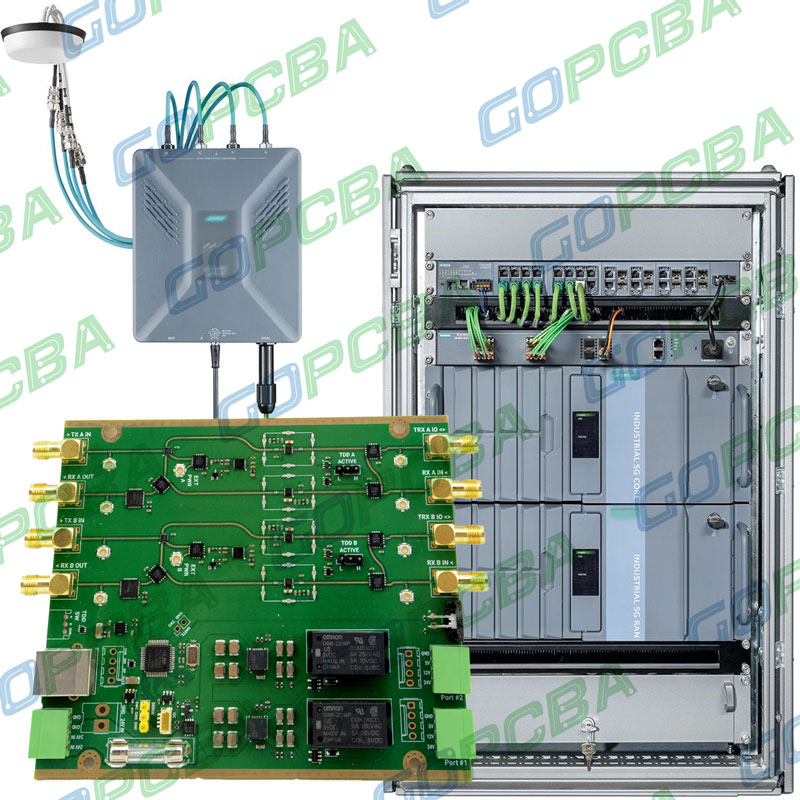
Industrial 5G Networking Equipment PCBA
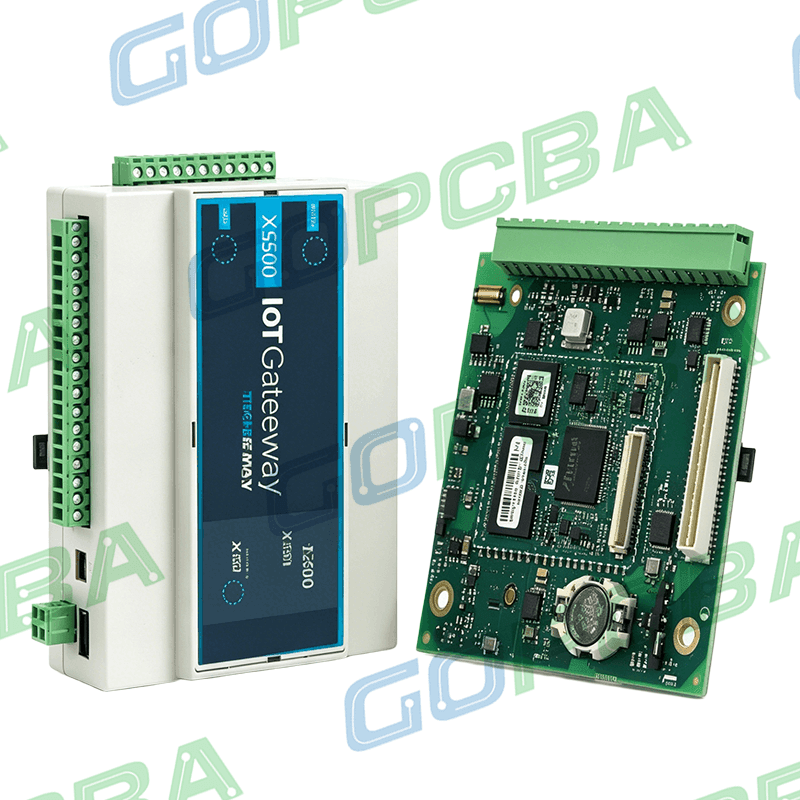
IoT Gateway Controller PCBA
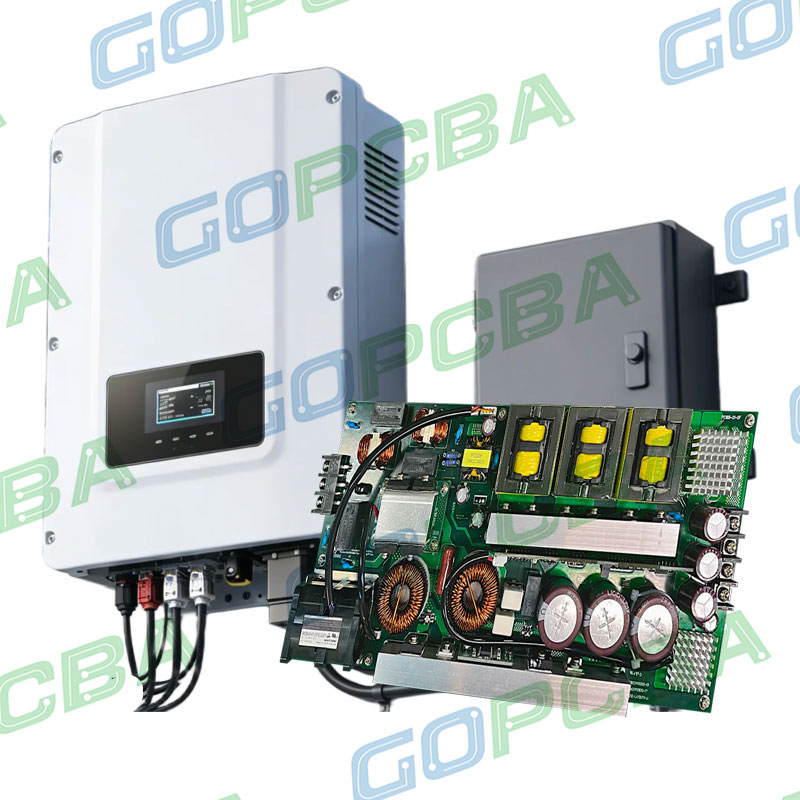
Solar Inverter System PCBA
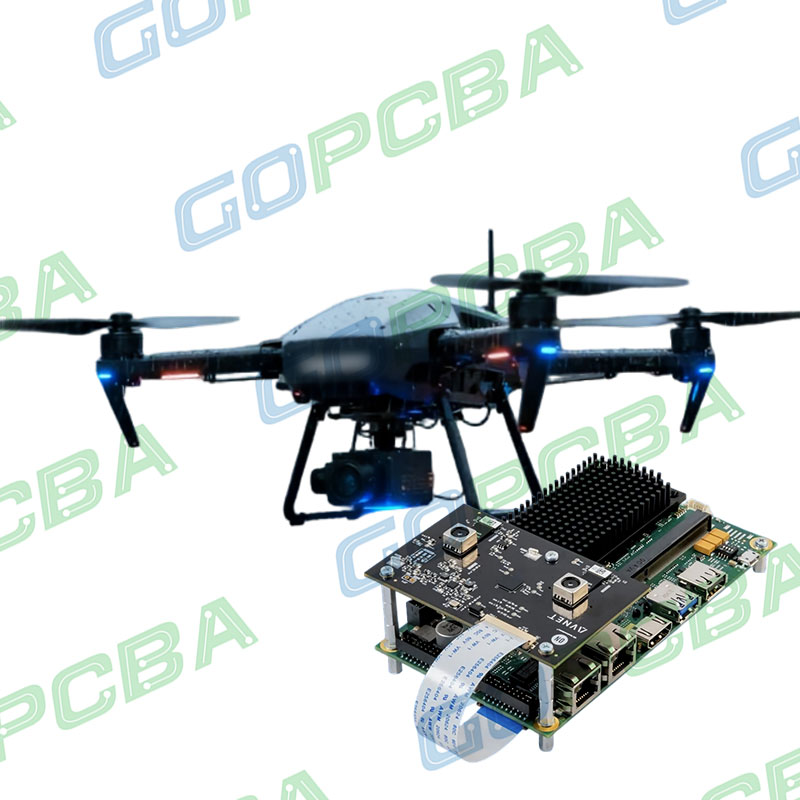
AI Edge Computing PCBA
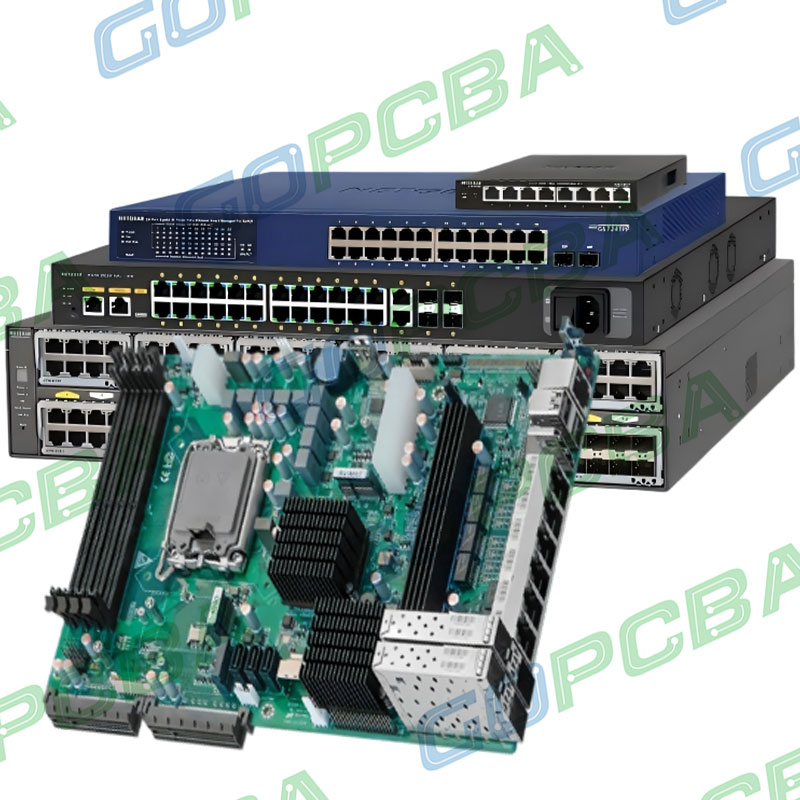
Network Switch PCBA
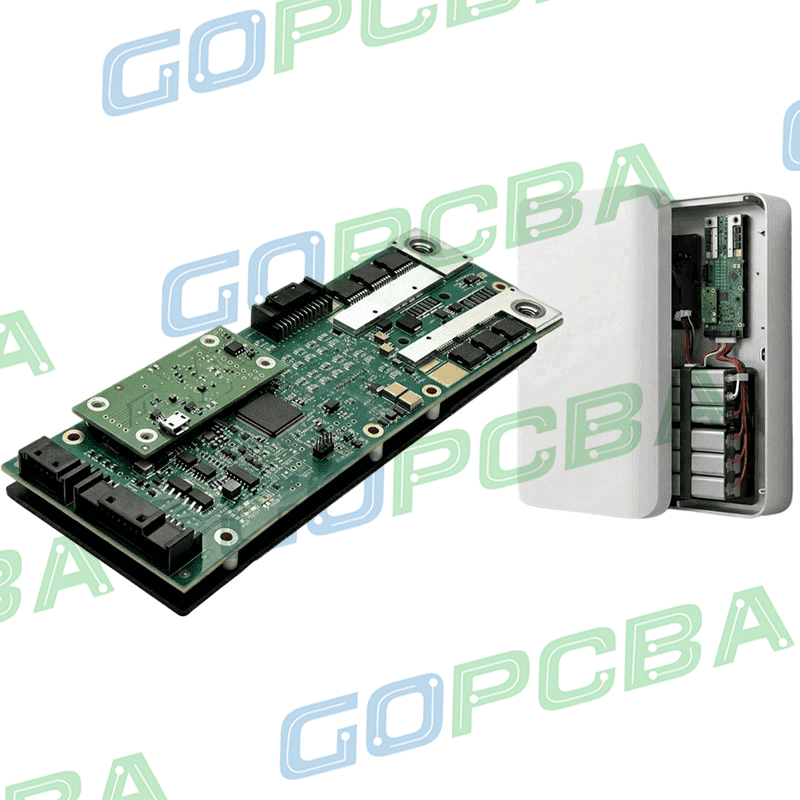
Battery Management System(BMS) PCBA
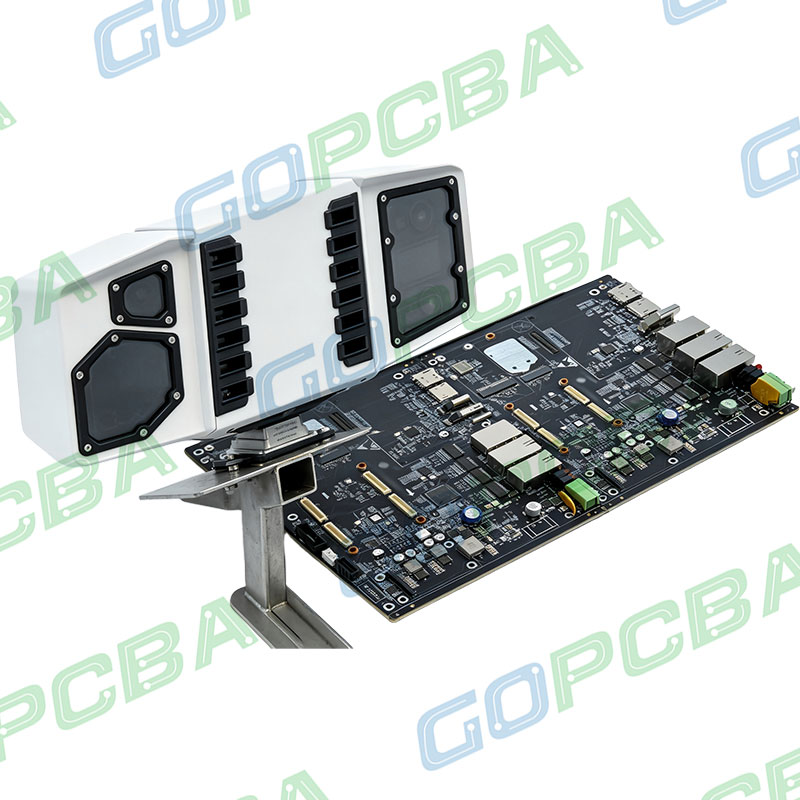
AI Camera Mainboard PCBA
Intelligent Motion Control PCBA
Industrial Data Acquisition PCBA
Low Volume PCB Assembly Applications
Kingda supports low volume PCB assembly for a range of electronic products and applications.
Medical Electronics PCB Assembly
Industrial Control PCB Assembly
Energy Electronics PCB Assembly
Telecommunications Electronics
Internet of Things
Artificial Intelligence
Why Choose Kingda for Low Volume PCB Assembly?
Choosing a low volume PCB assembly partner is not only about production quantity. Engineering support, material coordination, process control, and the ability to support future production stages can also affect the overall manufacturing process
High-Mix, Low-Volume Focus
Kingda‘s production model is suited to projects involving multiple PCB models and relatively small production quantities.
This makes it suitable for customers developing new products, running pilot builds, or managing ongoing small-batch production.
10+ Years of Manufacturing Experience
Founded in 2013, Kingda has more than 10 years of experience in PCB and PCBA manufacturing, supporting projects from prototypes and engineering samples through pilot production and low volume manufacturing.
One-Stop PCB & PCBA Manufacturing
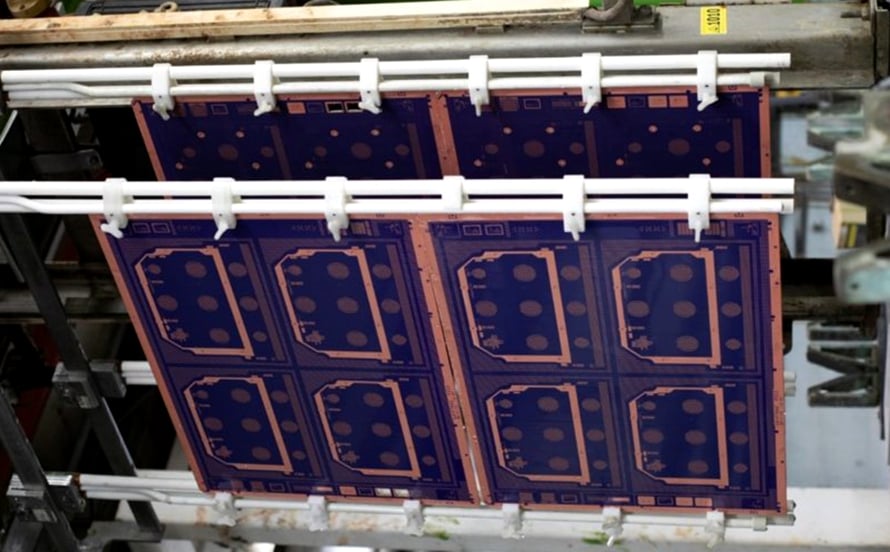
Kingda can coordinate PCB manufacturing, component sourcing, SMT assembly, DIP assembly, inspection, testing, and additional manufacturing services through one production workflow.
Engineering-Focused Production
Our engineering team can review PCB data, BOMs, assembly requirements, and test requirements before production to identify potential manufacturing issues.
Quality Management
Production is managed under an ISO 9001 quality management system, with process controls and inspection procedures throughout PCB and PCBA manufacturing.
Support from Prototype to Production
Kingda can support customers as projects move from prototype and validation to pilot production and ongoing low volume manufacturing, helping maintain consistency across manufacturing data and production requirements.
Have a Low Volume PCB Assembly Project?
Low Volume PCB Assembly FAQs
Low volume PCB assembly refers to PCB assembly in relatively small quantities, typically for prototypes, engineering validation, pilot production, product launches, and small-batch manufacturing. The exact quantity varies by project and manufacturer. At Kingda, typical production quantities range from 50 to 5,000 pcs, depending on the project requirements.
Kingda typically supports low volume PCB assembly projects from 50 to 5,000 pcs. The suitable production quantity depends on the PCB design, component requirements, assembly process, and production stage.
Prototype PCB assembly is mainly used to verify a new design and identify issues during development. Low volume PCB assembly is generally used after initial design validation, for pilot production, product launches, customer trials, or ongoing small-batch production.
Yes. Kingda provides PCB manufacturing and PCB assembly as part of a one-stop manufacturing service. We can coordinate PCB fabrication, component sourcing, SMT assembly, DIP assembly, inspection, and testing through one production workflow.
Yes. Kingda can source components according to the BOM and approved specifications. Our purchasing team can check component availability, lead times, lifecycle status, and potential alternatives before production.
Yes. Kingda can support different material supply arrangements, including turnkey, partial turnkey, and consigned components. Customers can provide selected components while Kingda sources the remaining materials according to the agreed BOM and production requirements.
Yes. Kingda supports both SMT and DIP assembly, including single-sided and double-sided SMT, through-hole components, and mixed SMT/DIP assembly for low volume PCB projects.
Yes. Kingda can review PCB manufacturing data and BOM information before production. Depending on the project, engineering review may cover DFM, component availability, assembly requirements, component placement, and potential manufacturing issues.
Inspection and testing can be selected according to the product and customer requirements. Available processes may include SPI, AOI, X-ray inspection, visual inspection, ICT, and functional testing. The appropriate inspection and testing method depends on the PCB design, components, and required test coverage.
Yes. A project can progress from prototype to pilot production, low volume production, and eventually higher-volume manufacturing. Working with the same manufacturing partner can help maintain consistency in PCB specifications, BOMs, assembly processes, and quality requirements as production volume increases.