
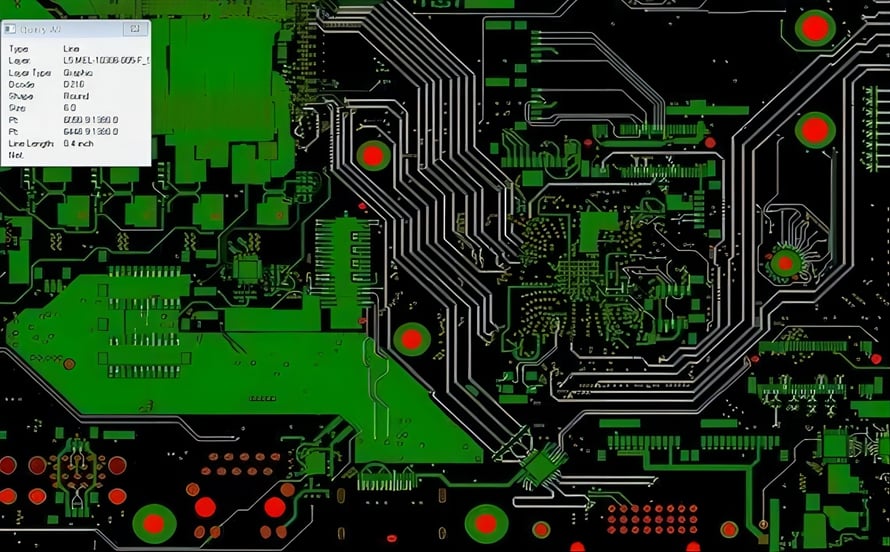
1. Power Component Integration and Solder Joint Reliability
Energy electronics PCBA may incorporate MOSFETs, IGBTs, power management ICs, inductors, and other power-handling components. Reliable solder joints are essential for electrical connectivity, thermal transfer, and mechanical stability.
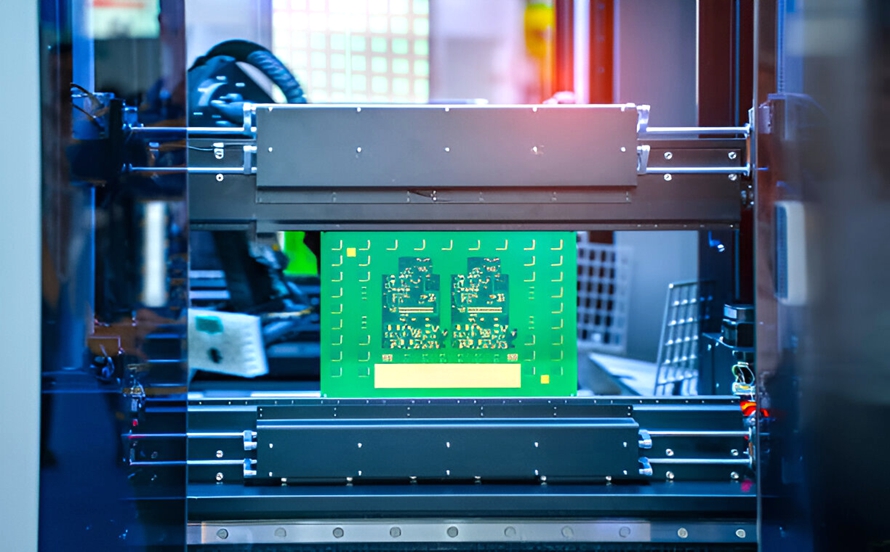
2. PCB Thermal Management and Current-Carrying Requirements
High-power components generate heat that must be managed through appropriate PCB copper structures, solder interfaces, and cooling solutions. Large copper areas can also affect heat distribution during soldering.
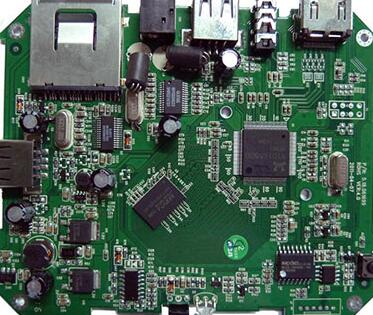
3. Mixed SMT and Through-Hole Assembly
Energy electronics boards often combine SMT components with through-hole connectors, terminal blocks, transformers, and other power components. Different component sizes and thermal characteristics require coordinated soldering processes.
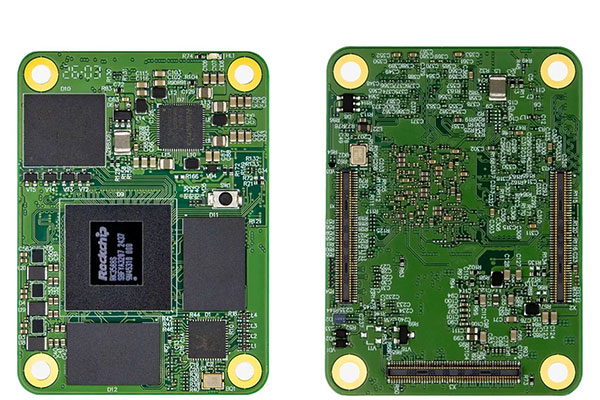
Before production, Kingda reviews Gerber files, BOM, pick-and-place data, and assembly drawings to verify component compatibility, PCB specifications, polarity, and assembly feasibility. Potential manufacturing issues are identified before production begins.
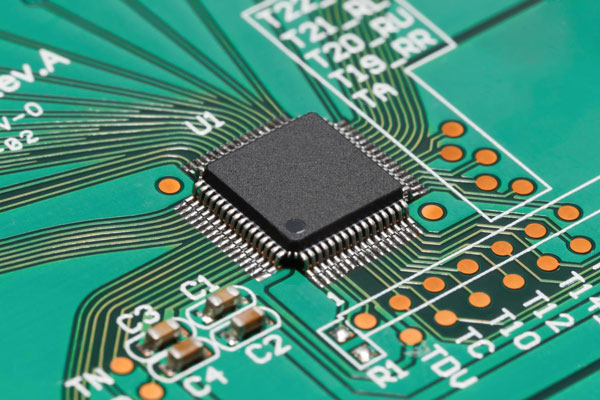
Components are sourced according to the approved BOM. Incoming material checks help verify part numbers, package specifications, and material conformity. Any proposed substitutions are evaluated and submitted for customer approval where required.
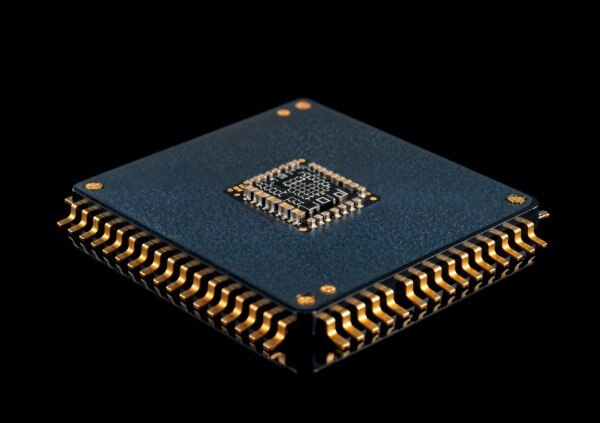
SMT assembly includes solder paste printing, component placement, and reflow soldering. SPI monitors solder paste deposition, while controlled reflow profiles help ensure consistent solder joint formation, particularly for power components and large copper areas.
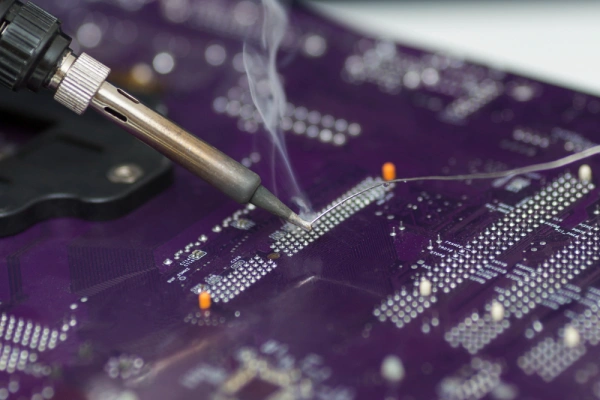
Through-hole components, including power connectors and terminal blocks, are assembled according to the approved process requirements. Inspection focuses on solder wetting, joint quality, component alignment, and connection integrity.

Kingda applies SPI, AOI, X-ray inspection, and visual inspection according to component types and project requirements. These methods help verify solder paste deposition, component placement and polarity, hidden solder joint quality, and overall assembly workmanship.
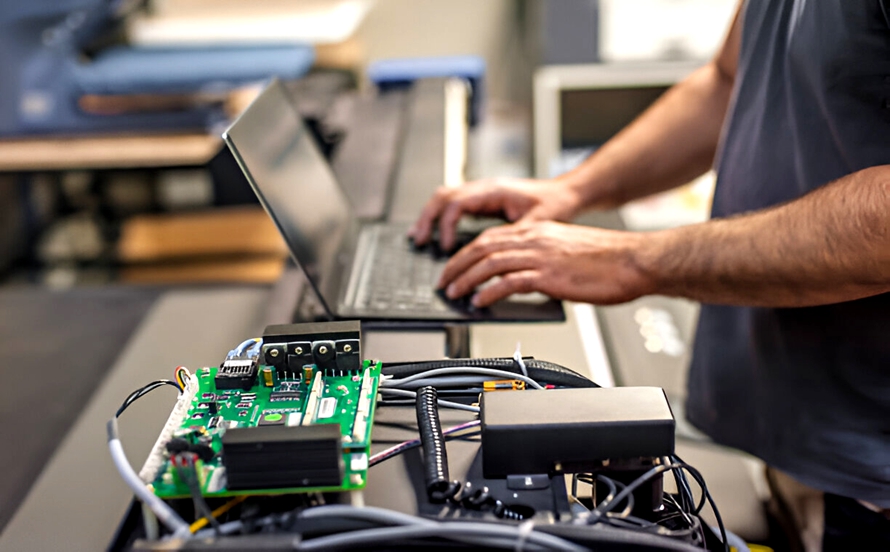
Testing is defined according to the product specifications and customer requirements. Depending on the application, it may include continuity checks, voltage and current measurements, communication verification, and functional testing of power control or protection circuits.