

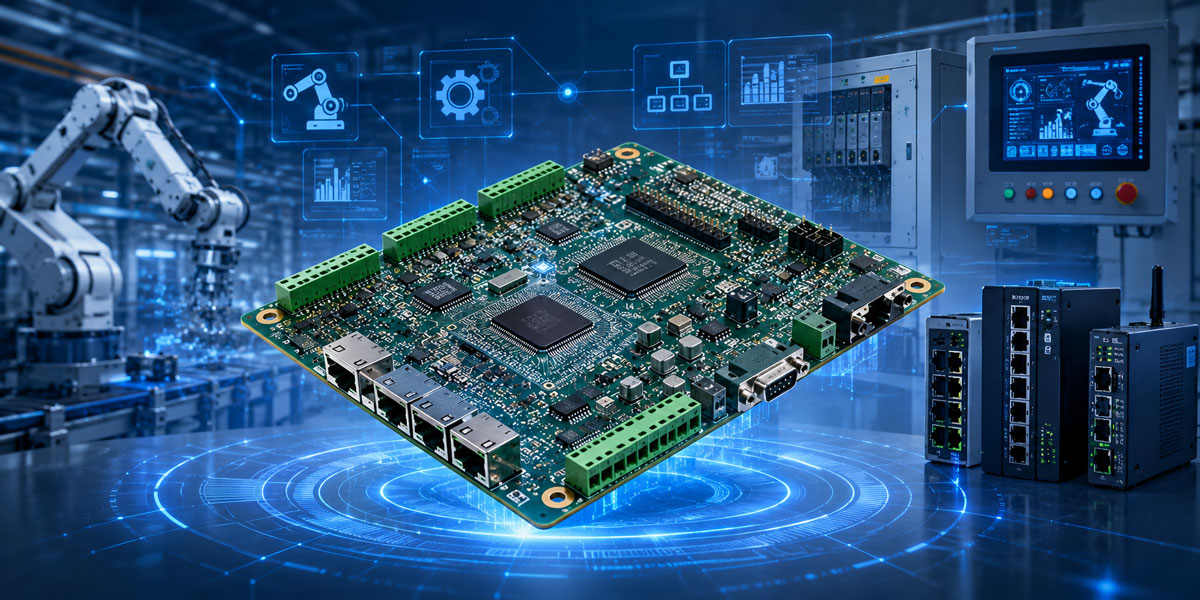
Industrial Control PCB Assembly

Reliable PCBA Manufacturing for Industrial Automation Systems

project details

Industry: Industrial Automation & Control
Manufacturing Services: PCB Manufacturing, Component Sourcing, SMT & Through-Hole Assembly
Quality Control: SPI, AOI, X-Ray Inspection (where applicable), and Visual Inspection
Engineering Support: BOM Verification, DFM Review, and Assembly Process Planning
Production Scope: Prototype, Pilot Production, and Repeat Manufacturing

Project Overview

Industrial control systems rely on reliable electronic assemblies to manage machine operation, process automation, signal acquisition, and communication between control units and field devices. These applications often require stable electrical performance, accurate signal processing, and consistent assembly quality under demanding operating conditions.

Kingda provides Industrial Control PCB Assembly solutions for industrial automation and control applications, integrating engineering review, PCB manufacturing, electronic component sourcing, SMT assembly and through-hole assembly, quality inspection, and functional testing.

The manufacturing process focuses on component compatibility, solder joint reliability, assembly precision, and verification against customer specifications. This integrated approach helps industrial equipment developers move from prototype validation to pilot production and repeat manufacturing.

Project Requirements and Engineering Challenges

Component Reliability and Assembly Precision

Industrial control PCBA incorporates microcontrollers, power management ICs, relays, and interface connectors. Accurate placement, proper soldering, and component compatibility are essential for reliable operation.

Key considerations: BOM verification, solder paste control, reflow optimization, and connector inspection.

Signal Integrity and Power Circuit Integration

Industrial control boards integrate analog signals, digital circuits, communication interfaces, and power regulation. Manufacturing must preserve the approved design and ensure reliable connections across these circuit sections.

Key considerations: PCB data review, interface verification, grounding connections, and application-specific electrical testing.

Mixed SMT and Through-Hole Assembly

Industrial control boards often combine SMT components with through-hole terminal blocks, relays, and connectors. Coordinated assembly processes help maintain solder joint quality and mechanical stability.

Key considerations: Process coordination, soldering control, connector alignment, and joint inspection.

Kingda's PCBA Manufacturing and Quality Control Process

Kingda follows a structured manufacturing workflow to support consistent assembly quality and product verification.

PCB-DFM

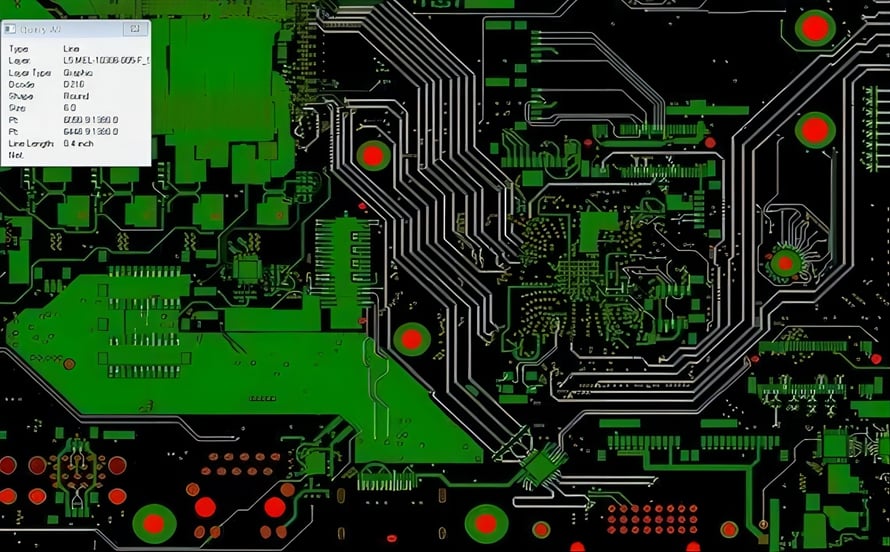
Step 1: Engineering Review and DFM

Before production, Kingda reviews Gerber files, BOM data, pick-and-place files, and assembly drawings. The review focuses on component compatibility, PCB specifications, polarity, footprint consistency, and manufacturing feasibility to identify potential issues before assembly.
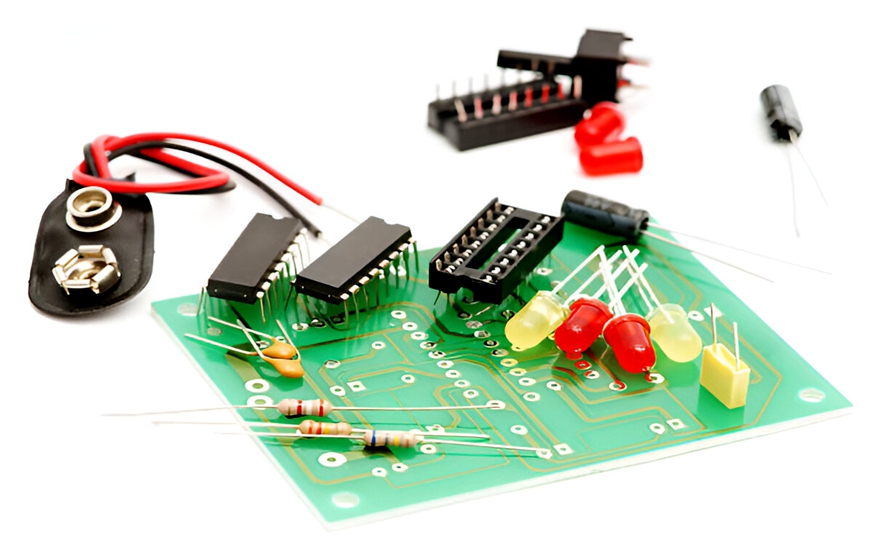
Identifying Components on PCB

Step 2: Component Sourcing and Material Verification

Components are sourced according to the approved BOM. Incoming checks help verify part numbers, package specifications, and material conformity. Proposed substitutions are evaluated and submitted for customer approval where required.
SMT Assembly

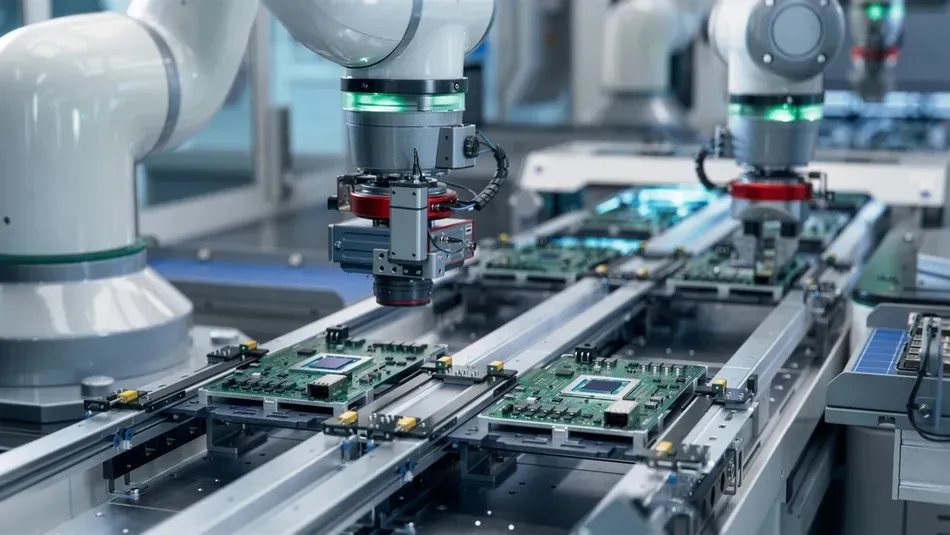
Step 3: SMT Assembly and Process Control

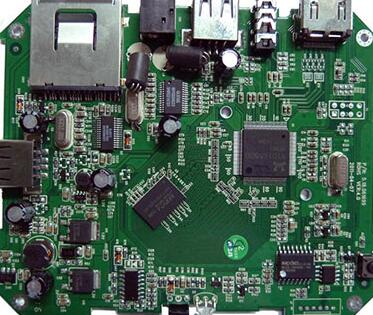
The SMT process includes solder paste printing, component placement, and reflow soldering. SPI helps monitor solder paste deposition, while controlled reflow profiles support consistent solder joint formation across different component packages.
THT Assembly

Step 4: Through-Hole Assembly

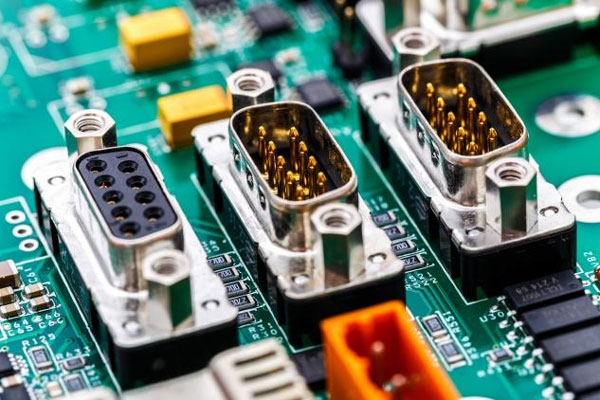
Through-hole components, including terminal blocks, relays, and connectors, are assembled according to the approved process requirements. Inspection focuses on solder joint quality, component alignment, and connection integrity.
PCB-visual-inspection

Step 5: Inspection and Quality Verification

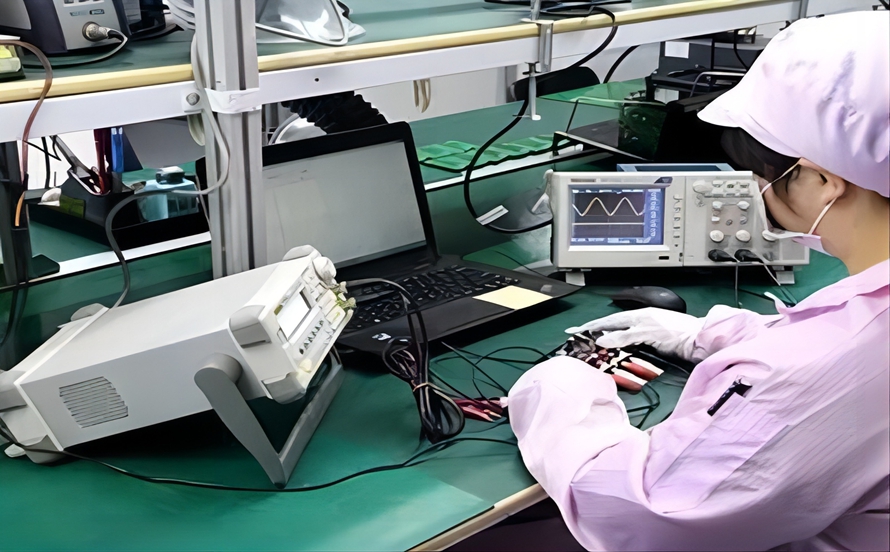
Kingda applies appropriate inspection methods based on component types and project requirements. SPI monitors solder paste deposition, AOI identifies visible placement and soldering defects, X-ray supports inspection of applicable hidden solder joints, and visual inspection verifies assembly workmanship.
Continuity Testing

Step 6: Electrical Testing and Functional Verification

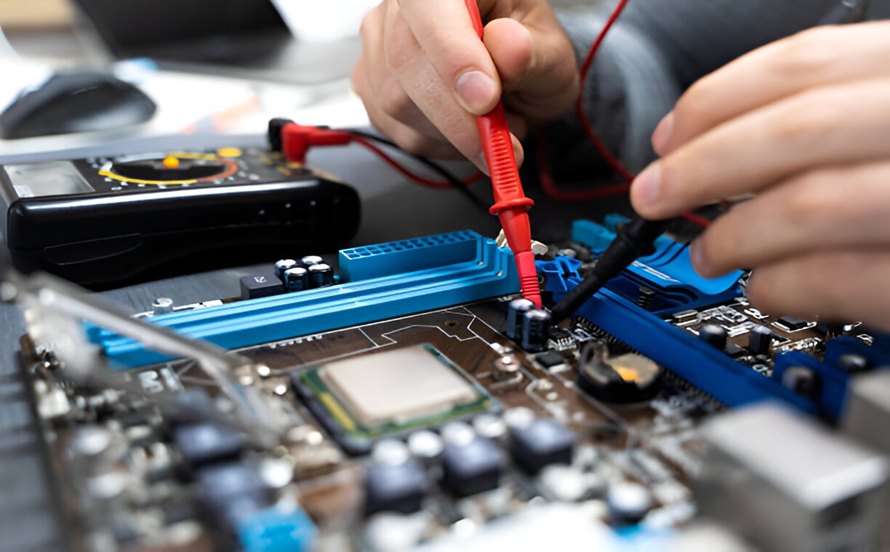
Testing is defined according to the product specifications and customer requirements. Depending on the application, it may include continuity checks, voltage measurements, communication interface verification, I/O signal checks, and functional testing of control circuits.


Discuss Your Industrial Control PCBA Project

Please feel free to contact us. We will get back to you with 1-2 business days. Or just call us now.

3rd Floor, 11th Bldg., Houting 3rd Industrial Zone, Shajing, Baoan, Shenzhen, China

One-Stop Industrial Control PCB Assembly Services

Kingda provides integrated PCBA manufacturing support for industrial control products, covering PCB manufacturing, electronic component sourcing, SMT assembly and through-hole assembly, quality inspection, and electrical testing. Conformal coating and box build services are also available when specified.

By coordinating these processes through one manufacturing partner, customers can simplify supplier management, improve engineering-to-production communication, and maintain alignment between technical documentation and manufacturing requirements.

Kingda supports high-mix, low- and medium-volume manufacturing, including prototype validation, pilot production, and repeat orders. Production planning is tailored to product complexity, order quantity, and customer delivery requirements.
