Energy Storage & Power Electronics PCB Assembly – Powering Next-Gen Energy Systems

Energy Storage & Power Electronics

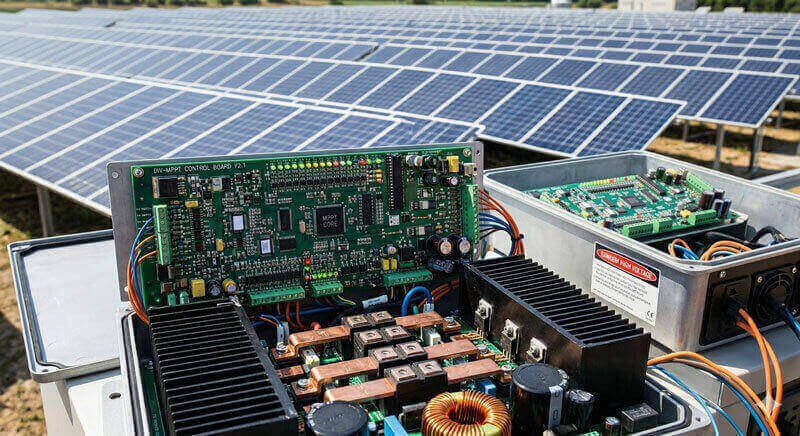
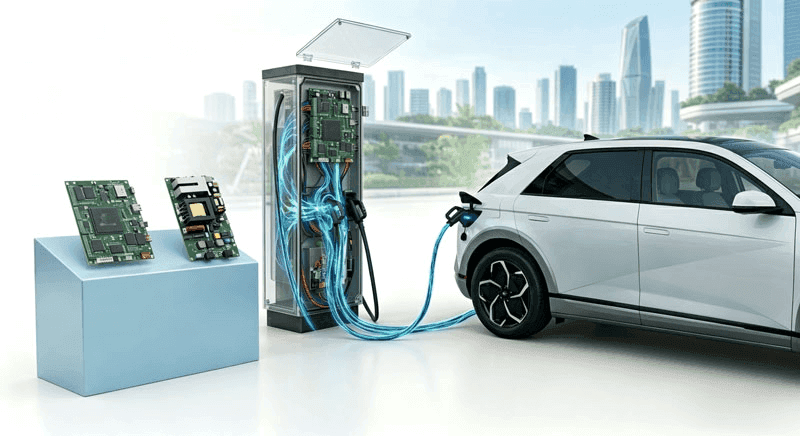
In the rapidly evolving energy industry, demand for reliable power electronics PCB assembly is accelerating across energy storage systems, renewable energy, and electric vehicle infrastructure.

From battery management systems (BMS) to solar inverters, EV chargers, and grid-connected converters, advanced PCB assembly is the core foundation enabling safe, efficient, and intelligent energy conversion.

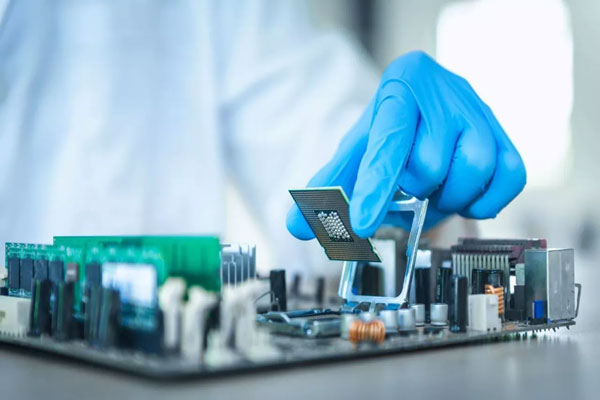
At Kingda, we specialize in high-reliability PCB and PCBA manufacturing for energy storage and power electronics applications, supporting both prototyping and high-volume production for global energy innovators.

Applications we support

Our power electronics PCB assembly solutions are widely used in:

Why Choose Kingda for Power Electronics PCB Assembly

Advanced Power Electronics Manufacturing Capability
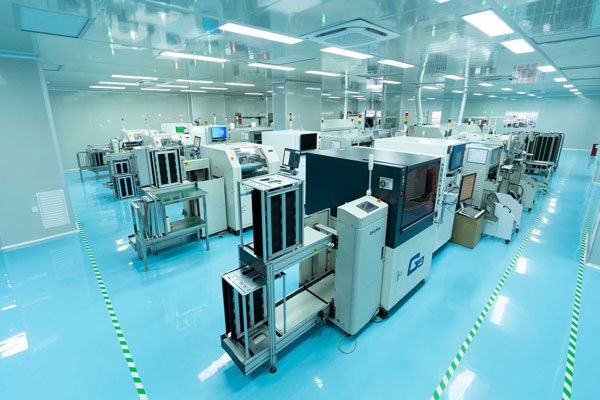
We specialize in high-current and high-voltage PCB assembly, using advanced SMT and THT technologies to support complex energy electronics designs including inverter control boards and power conversion modules.
Strict Quality Control for Energy Applications
We comply with IPC standards and certified quality systems including ISO 9001, ISO 13485, and IATF 16949, ensuring consistent reliability for mission-critical power systems.
High Power Design Expertise
1.Thick copper PCB (2–10 oz+)

2.High-Tg materials for thermal stability

3.High-voltage isolation design support

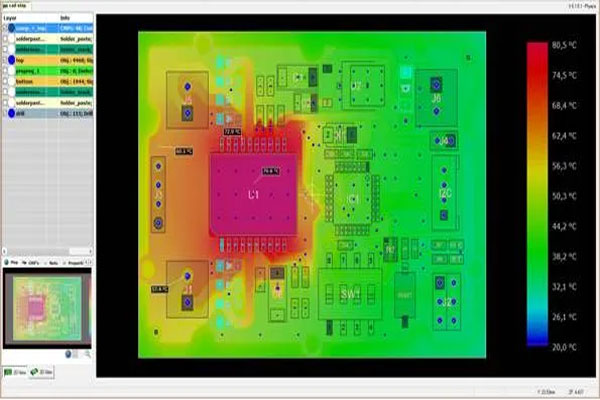
4.Optimized thermal management for power density
Fast Prototyping to Mass Production
We support rapid prototyping, small batch, and scalable high-volume production from 50 to 5000+ units, ideal for R&D-driven energy companies.

Power Electronics PCB Assembly Product Portfolio

Kingda is a professional China-based PCB assembly manufacturer specializing in Energy Storage and Power Electronics applications. We deliver high-reliability PCBA solutions—from rapid prototyping and low-volume builds to high-volume production—designed to meet the demands of BMS, power conversion, and high-current systems. With strong expertise in thermal management, high-voltage design, and thick copper PCB assembly, Kingda is your trusted partner for advanced power electronics manufacturing.

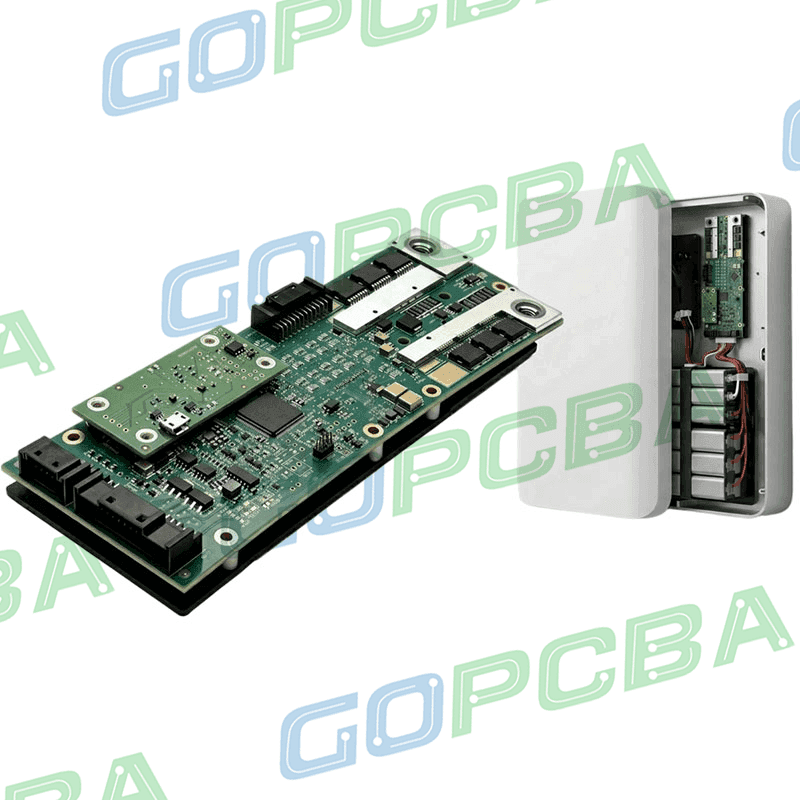
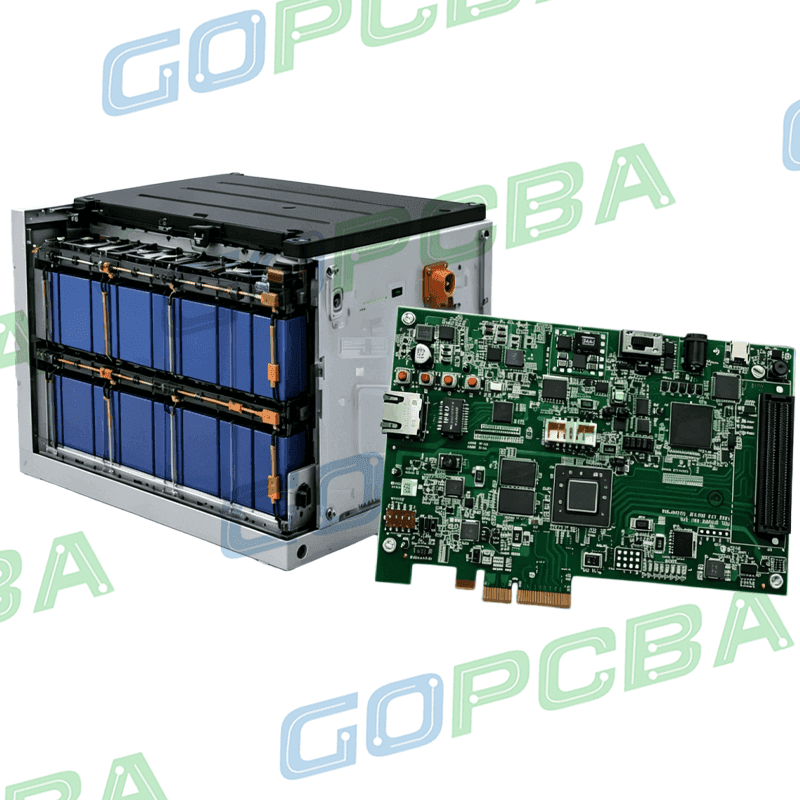
Battery Management System (BMS) PCB Assembly

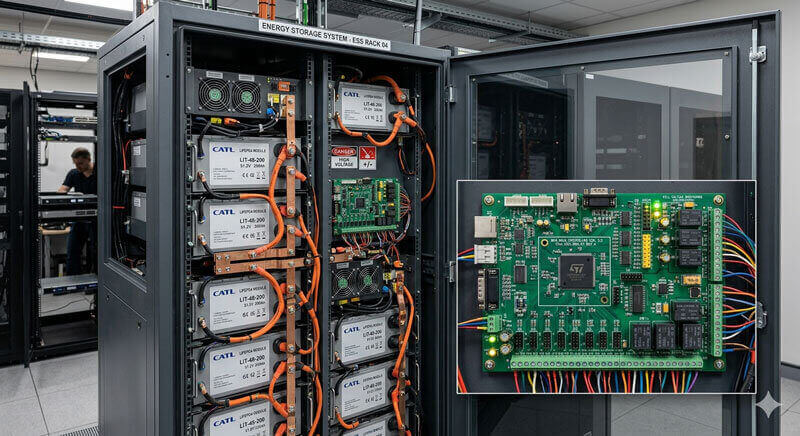
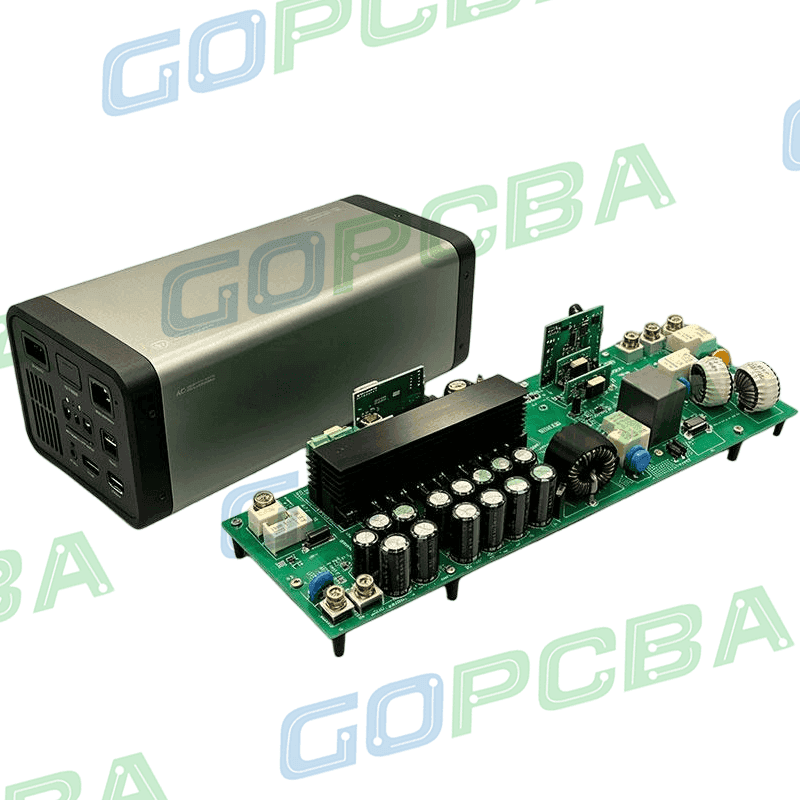
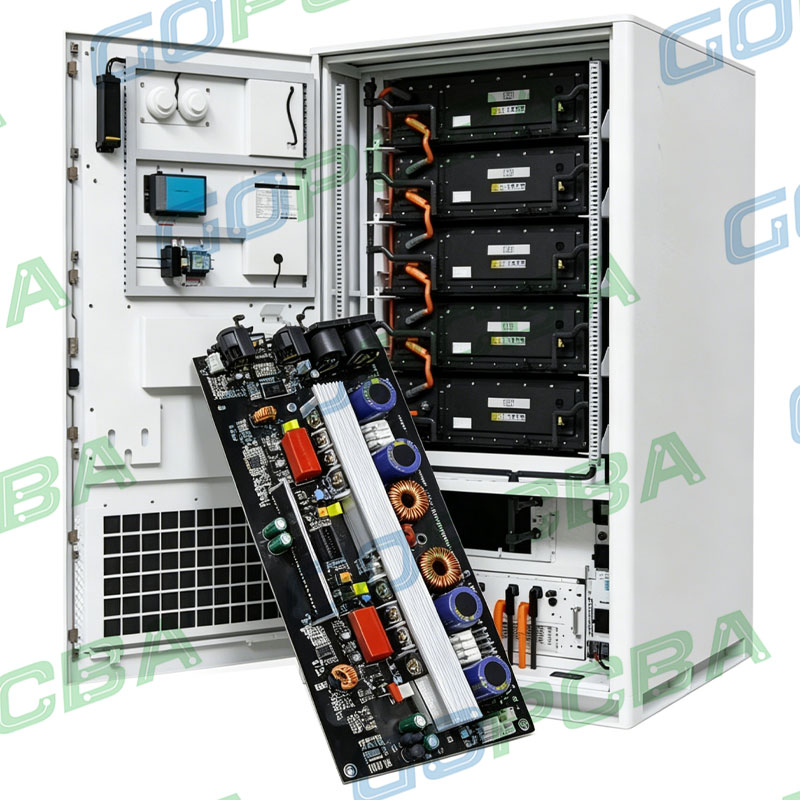
Energy Storage System (ESS) Control PCB Assembly

I

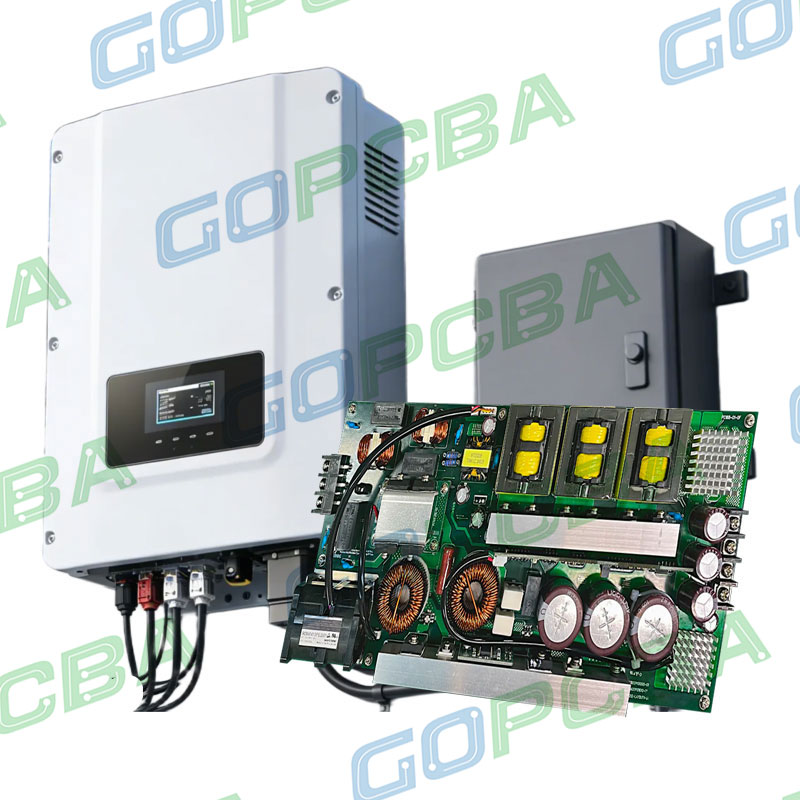
Inverter Control PCB Assembly

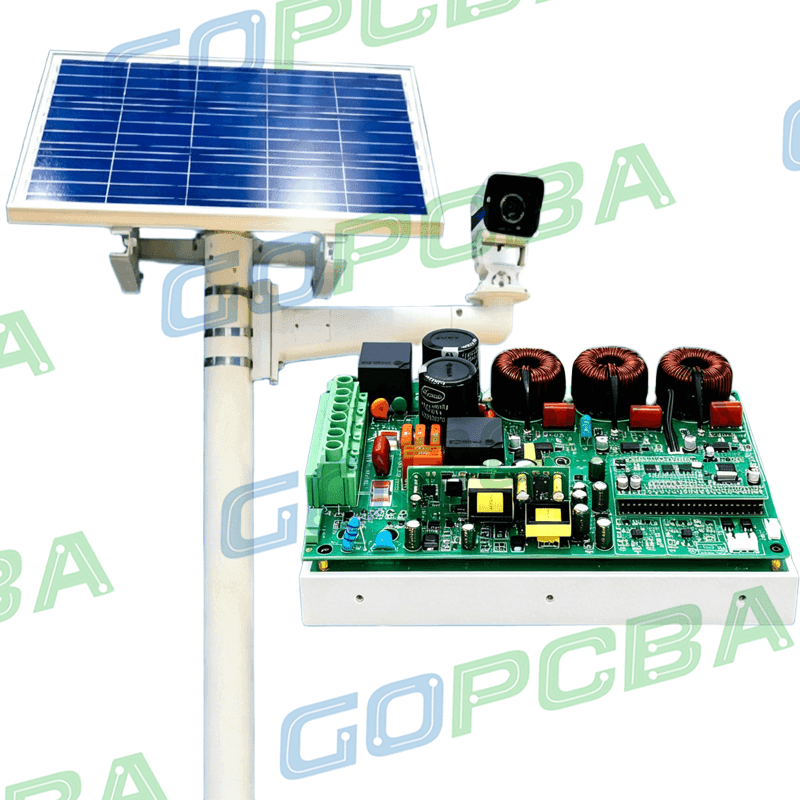
MPPT Solar Charge Controller PCB Assembly

MPPT Solar Charge Controller PCB Assembly

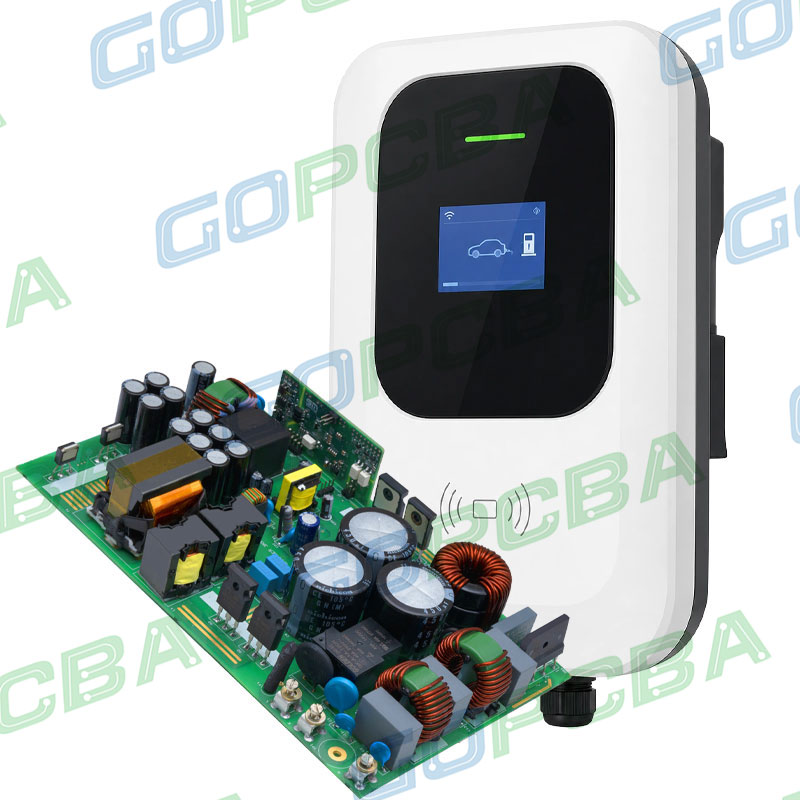
EV Charger Control PCB Assembly

EV Charger Control PCB Assembly

Energy IoT Communication Module PCB Assembly

Energy IoT Communication Module PCB Assembly

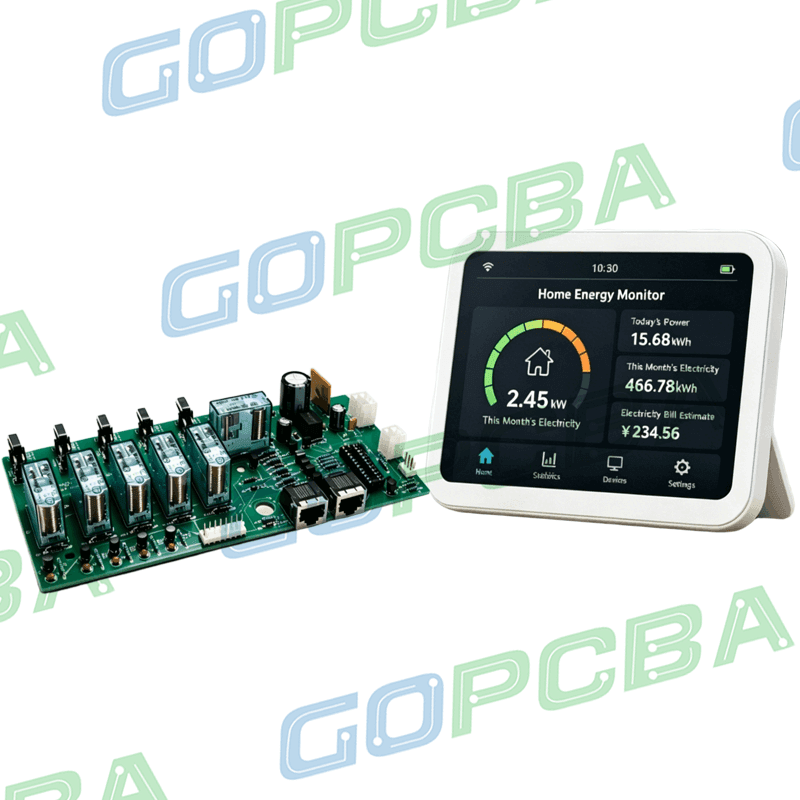
Energy Management PCB Assembly

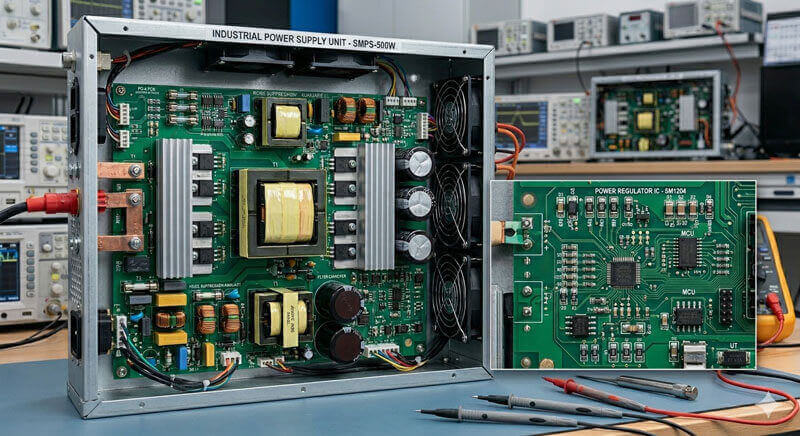
Switching Power Supply PCB Assembly

Switching Power Supply PCB Assembly

Protection Relay PCB Assembly

Protection Relay PCB Assembly

Testimonials

As a leading printed circuit board (PCB) assembly supplier, Kingda offers full-service PCB assembly, from consigned manufacturing to complete turnkey solutions. Our services include material procurement, assembly, testing, system integration, inspection, and advanced technologies.

High Reliability Manufacturing Process

Our power electronics PCB manufacturing process is optimized for high-current, high-voltage, and high-reliability applications:

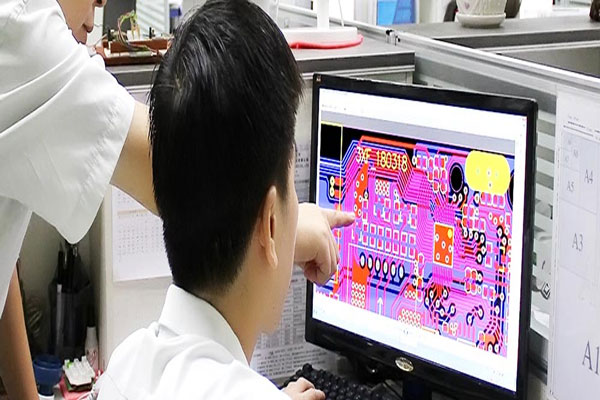
1. Electronics PCB Design and Output

Designers begin by creating the PCB layout using specialized software. For energy storage and power electronics, considerations include high current paths, thermal management, thick copper layers, and high-voltage isolation. Once the design is finalized, it is exported in a manufacturable format. A Design for Manufacturability (DFM) test is performed to ensure all tolerances, clearances, and layer stack-ups meet industrial and safety standards.

2. Inner Layer Printing

The PCB core material, usually FR4, high-Tg resin, or specialized insulating laminates, is prepared. Copper foil is bonded on both sides. The design from the film is transferred onto the copper layer using photoresist and UV exposure, creating the inner layer circuitry for multi-layer PCBs.

3.Etching of Inner Layers

Excess copper is chemically etched away, leaving only the desired conductive patterns protected by photoresist. This is critical for handling high current and high voltage, as precision in trace width and spacing ensures safety and performance.

4. Optical Inspection and Layer Alignment

The inner layers are optically inspected for defects. Any misalignment or short circuits are corrected before moving forward. For power electronics, special attention is paid to hole alignment for via connections that carry high currents.

5. Layer Lamination and Bonding

The layers are stacked with prepreg insulation sheets between them. Copper layers are alternated with prepreg and substrate layers. For power PCBs, thicker copper (2–10 oz/ft² or more) is often used to handle high currents. The stack is pressed under heat and pressure to form a solid laminated board.

6. Drilling and Via Formation

Holes for through-hole components or vias are drilled with precision. X-ray or laser drilling is often used for fine-pitch vias in multi-layer boards.

7. Plating and Copper Deposition

The drilled holes are plated with copper to electrically connect layers. Multiple chemical baths prepare the surface and deposit uniform copper to ensure low resistance for high-current paths.

8. Outer Layer Imaging

The outer copper layers are coated with photoresist, exposed to UV light, and developed to form the outer circuit patterns.

9. Outer Layer Etching

Unwanted copper is etched away. Special attention is paid to thermal relief pads and thick traces to maintain structural integrity for power electronics.

10. Solder Mask Application

A solder mask is applied to protect the copper traces from oxidation and short circuits. High-voltage PCBs may use special dielectric masks to withstand voltage stress.

11. Surface Finish

The PCB receives a surface finish such as HASL, ENIG, or immersion silver, tailored for thermal performance and solderability. Power electronics often require enhanced heat conduction and corrosion resistance.

12. Silkscreen

Component identifiers, polarity marks, warning labels (high voltage/current), and other assembly notes are printed onto the PCB.

13. Electrical Testing

The PCB undergoes rigorous electrical testing, including continuity, isolation resistance, and high-voltage withstand testing. Flying probe or bed-of-nails tests ensure that each trace can safely carry the intended current.

14. Thermal & Mechanical Profiling

Power electronics PCBs often require profiling for heat sinks or mounting holes. V-Scoring or routing shapes the PCB for integration into modules or enclosures.

15. Final Inspection and Quality Assurance

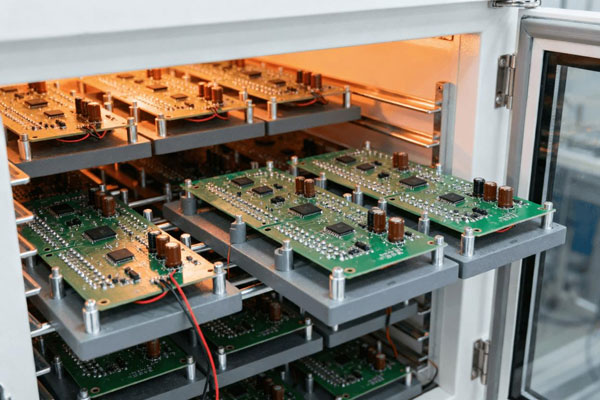
Visual inspection, automated optical inspection (AOI), and sometimes X-ray inspection for buried vias or multi-layer laminates are performed. High-reliability PCBs for energy storage may undergo additional stress testing for thermal cycling and high-current endurance.

16. Packing and Delivery

After passing all QA checks, PCBs are cleaned, packaged in anti-static bags, and prepared for shipment to assembly houses that integrate them into energy storage modules or power electronics systems.

Testing & Quality Assurance for Power Electronics

– 01

High Volume PCB Testing Capabilities

At Kingda, we understand that energy storage systems and power electronics applications demand the highest level of reliability, safety, and performance. Whether it’s for BMS (Battery Management Systems), inverters, or power conversion modules, every PCB must withstand high current, high voltage, and thermal stress conditions.

Our experienced engineering and QA teams ensure that every PCB—regardless of volume—is rigorously tested throughout the entire manufacturing process. We implement strict quality control procedures to guarantee that all boards meet industry safety standards and long-term operational stability.

We specialize in high-volume production of power PCBs with thick copper, high-Tg materials, and precision layouts, ensuring consistent performance across all units. Every product undergoes extensive validation to minimize failure risks in mission-critical applications such as EV charging, renewable energy systems, and industrial power control.

As an ISO 9001:2015 certified company, we source all components from authorized and traceable suppliers, ensuring full traceability and eliminating risks associated with counterfeit or substandard parts—critical for energy applications.

-02

Testing & Inspection Capabilities

To ensure optimal performance in demanding environments, we conduct the following tests:

  1. Design for Manufacturability (DFM)
    Ensures your design supports high-current routing, thermal dissipation, and high-voltage isolation.
  2. Design for Assembly (DFA) Checks
    Identifies issues that may affect assembly efficiency or reliability in power modules.
  3. AOI (Automated Optical Inspection) & AXI (X-ray Inspection)
    Detects soldering defects, misalignment, and hidden joint issues in multi-layer and high-density boards.
  4. Electrical Testing
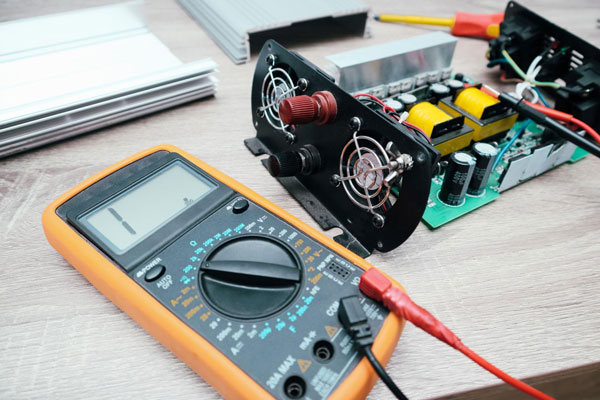
    Verifies continuity, insulation resistance, and performance under electrical load conditions.
  5. Flying Probe Testing
    Ensures electrical integrity without requiring test fixtures—ideal for complex designs.
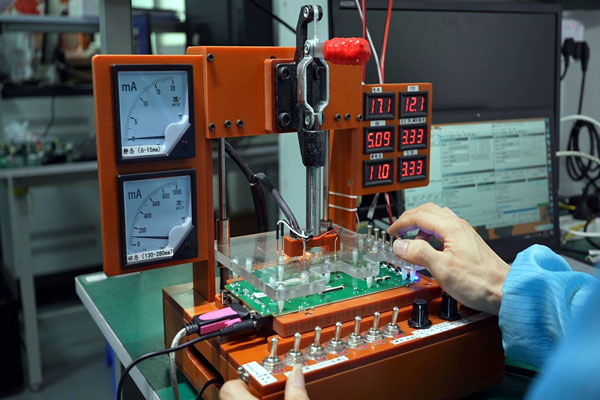
  6. Functional Testing
    Confirms real-world operation, especially for BMS, inverters, and power control boards.
  7. In-Circuit Testing (ICT)
    Validates individual components and circuit behavior.
  8. High Voltage / Insulation Testing
    Critical for ensuring safety in energy storage and power electronics systems.
  9. Solder Paste Inspection (SPI)
    Ensures accurate solder volume for high-current components.
– 03

High Volume PCB Assembly Technologies

To meet the diverse requirements of power electronics applications, we utilize three advanced PCB assembly technologies:

  1. Surface Mount Technology (SMT)

SMT enables compact, high-density designs essential for modern energy systems.

  • Supports miniaturized power control modules
  • Ensures high mechanical strength under vibration and thermal cycling
  • Ideal for control circuits, signal processing, and communication modules

With decades of SMT experience, we ensure precision placement and high reliability, even in harsh environments such as renewable energy systems and EV infrastructure.

2.Through-Hole Technology (THT)

Through-hole assembly is critical for high-power components such as transformers, capacitors, and connectors.

  • Supports high current carrying capacity
  • Provides strong mechanical bonding
  • Compatible with wave soldering and manual assembly

We offer complete THT services including:

  • Double wave soldering
  • RoHS-compliant processes
  • Manual & automated insertion
  • High-reliability inspection and testing

3.Mixed Assembly (SMT + THT)

Most energy storage and power electronics PCBs require a hybrid approach combining SMT and THT.

  • SMT for control and signal circuits
  • THT for power components and connectors

This optimized combination ensures:

  • Electrical performance stability
  • Mechanical durability
  • Efficient thermal management

Why Kingda for Energy Storage & Power Electronics PCBs?

  • Expertise in BMS, inverter, and power conversion PCBs
  • Capability for thick copper (2–10 oz+) and high-power designs
  • Strict compliance with safety and quality standards
  • Full traceability and component control
  • Reliable high-volume production with consistent performance

Kingda delivers high-reliability PCB manufacturing and assembly solutions tailored for energy storage and power electronics, ensuring:Safety + Stability + Scalability for High-Power Applications.

PCB assembly and fabrication services for various industries

one-stop supplier!

Energy Storage & Power Electronics PCB Assembly– FAQ

For high-power applications, materials such as high-Tg FR4, polyimide, or metal-core PCBs (MCPCB) are commonly used. These materials provide better thermal stability, insulation performance, and mechanical strength under high current and temperature conditions.

Power electronics PCBs usually require 2 oz to 10 oz copper thickness or higher, depending on current requirements. Thicker copper helps reduce resistance, heat generation, and voltage drop.

Thermal management is achieved through:

  • Use of thermal vias and copper pours
  • Integration of heat sinks or metal substrates
  • Proper component spacing and layout optimization
  • Use of high thermal conductivity materials

Main challenges include:

  • Soldering large copper areas
  • Managing heat dissipation during reflow
  • Preventing warpage and delamination
  • Ensuring strong solder joints for power components

A combination of:

  • SMT (Surface Mount Technology) for control circuits
  • Through-Hole Technology (THT) for high-power components
  • Mixed assembly for optimal performance and reliability

We follow strict creepage and clearance standards, use insulation materials, and perform high-voltage testing to ensure safety and compliance with international standards.

Common finishes include:

  • ENIG (Electroless Nickel Immersion Gold)
  • HASL (Hot Air Solder Leveling)
  • Immersion Silver

The choice depends on thermal performance, solderability, and environmental conditions.

We use:

  • Optimized reflow profiles
  • Selective soldering for THT components
  • High-quality solder materials
  • Inspection methods like AOI, X-ray, and SPI

Typical tests include:

  • Electrical testing (continuity & isolation)
  • Functional testing under load
  • In-circuit testing (ICT)
  • High-voltage / hipot testing
  • Thermal cycling tests (if required)

Yes, we support full BMS PCBA, including:

  • Cell monitoring circuits
  • Balancing circuits
  • Communication modules (CAN, UART, etc.)
  • Safety and protection circuits

We carefully control:

  • Reflow temperature profiles
  • Use of heat-resistant components
  • Proper PCB layout and thermal design