ENIG, HASL, or OSP? A Complete Guide to PCB Surface Finishing Options
During PCB Manufacturing, surface finishing is a critical process that directly affects circuit board reliability, solderability, corrosion resistance, and long-term performance.
A proper PCB Surface Finish protects exposed copper circuits from oxidation while improving electrical connections between PCBs and electronic components.
Among the most commonly used surface finishing technologies, ENIG PCB, HASL PCB, and OSP PCB are widely adopted across different industries. Each process has unique advantages, limitations, and application scenarios.
Understanding the differences between these finishes helps engineers and manufacturers select the most suitable solution based on performance requirements, environmental conditions, and budget considerations.
What Is PCB Surface Finishing?
PCB surface finishing is the final coating process applied to exposed copper areas after PCB fabrication.
The main purposes of surface finishing include:
- Preventing copper oxidation
- Improving solderability
- Enhancing electrical reliability
- Protecting PCB surfaces during storage
- Supporting component assembly processes
Different applications require different surface treatments. For example:
- High-reliability electronics often require premium finishes.
- Cost-sensitive products may prioritize economical solutions.
- Advanced electronic devices may require excellent flatness and signal performance.
Through professional PCB Manufacturing capabilities, GOPCBA provides multiple surface finishing options to meet diverse customer requirements.
ENIG PCB: A Premium Solution for High-Precision Applications
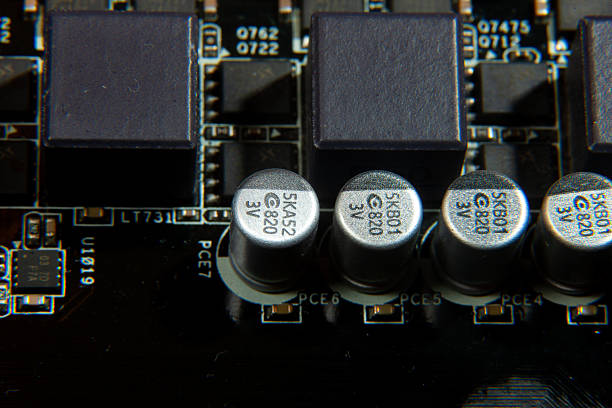
ENIG (Electroless Nickel Immersion Gold) is one of the most widely used premium surface finishing technologies.
The process deposits a nickel layer onto copper surfaces first, followed by a thin immersion gold layer.
The nickel layer provides structural protection, while the gold layer ensures excellent conductivity and corrosion resistance.
Advantages of ENIG PCB
Excellent Surface Stability
Gold has strong chemical stability and is highly resistant to oxidation.
This allows ENIG PCB products to maintain reliable electrical performance even under challenging conditions such as:
- High humidity environments
- Long storage periods
- High-temperature applications
Superior Surface Flatness
One of the biggest advantages of ENIG is its excellent surface uniformity.
Compared with traditional solder-based finishes, ENIG provides:
- Low surface roughness
- Better component placement accuracy
- Improved compatibility with fine-pitch components
This makes it ideal for:
- HDI boards
- High-density electronic devices
- Precision communication equipment
GOPCBA supports advanced HDI PCB Manufacturing solutions where surface flatness and reliability are critical.
Strong Wear Resistance
The nickel-gold structure provides better durability compared with many other surface treatments.
It performs well in applications requiring:
- Repeated connections
- Connector interfaces
- Long service life
Limitations of ENIG PCB
Higher Manufacturing Cost
Because ENIG uses precious metal materials and requires strict process control, production costs are higher compared with HASL and OSP.
Therefore, it is generally selected for applications requiring higher reliability rather than basic cost-sensitive products.
Complex Process Control
ENIG requires precise control of:
- Chemical concentration
- Temperature
- Immersion time
- Layer thickness
Poor process management may cause issues such as:
- Nickel corrosion
- Uneven gold deposition
- Surface defects
HASL PCB: A Cost-Effective and Reliable Choice
HASL (Hot Air Solder Leveling) is one of the most traditional PCB surface finishing methods.
The process applies molten solder onto copper surfaces and uses hot air leveling technology to create a protective solder coating.
Due to mature technology and relatively low cost, HASL PCB remains widely used in many industries.
Advantages of HASL PCB
Competitive Cost
Compared with ENIG, HASL requires lower material costs and simpler production processes.
It is suitable for:
- Consumer electronics
- General industrial products
- Cost-sensitive applications
Good Solderability
HASL provides excellent soldering performance.
The solder coating creates a reliable connection surface for component assembly and supports standard PCB assembly processes.
Mature Manufacturing Process
Because HASL technology has been developed for many years, it offers:
- Stable production capability
- High manufacturing efficiency
- Wide material compatibility
Limitations of HASL PCB
Lower Surface Flatness
The hot air leveling process may create uneven solder thickness.
This makes HASL less suitable for:
- Fine-pitch components
- High-density PCB designs
- Advanced semiconductor packaging
Limited Long-Term Corrosion Resistance
Compared with gold-based finishes, solder surfaces have lower chemical stability.
Additional protection may be required for products exposed to:
- Moisture
- Harsh environments
- Long storage periods
OSP PCB: An Environmentally Friendly Surface Finish
OSP (Organic Solderability Preservative) is a surface treatment technology that forms an ultra-thin organic protective film on copper surfaces.
This protective layer prevents copper oxidation while maintaining solderability.
Advantages of OSP PCB
Environmentally Friendly Solution
OSP does not contain heavy metals and complies with environmental standards such as:
- RoHS
- REACH
It is widely used in environmentally conscious electronics manufacturing.
Excellent Surface Flatness
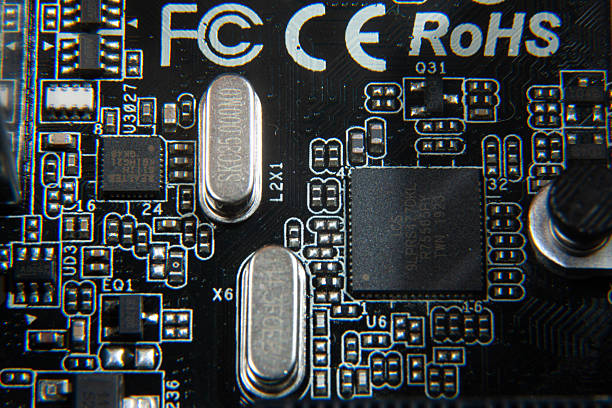
Because OSP creates an extremely thin protective layer, it maintains copper surface smoothness.
This makes OSP PCB suitable for:
- Thin electronic products
- High-density circuit designs
- Compact consumer devices
Balanced Cost and Performance
OSP provides:
- Lower cost than ENIG
- Better flatness than HASL
- Simple manufacturing requirements
It offers an effective balance between performance and cost.
Limitations of OSP PCB
Limited Mechanical Protection
The organic coating is very thin and can be damaged by:
- Friction
- Improper handling
- Contamination
Proper packaging and storage are important.
Shorter Storage Life
OSP coatings gradually degrade over time.
Compared with ENIG, OSP requires faster assembly after production to maintain optimal performance.
ENIG vs HASL vs OSP: How to Choose the Right PCB Surface Finish?
Selecting the correct PCB Surface Finish depends on application requirements, cost expectations, and reliability standards.
| Surface Finish | Best Application | Main Advantages |
|---|---|---|
| ENIG PCB | High-end electronics, medical, automotive, communication products | Excellent reliability, flatness, corrosion resistance |
| HASL PCB | General electronics, cost-sensitive products | Low cost, mature process, good solderability |
| OSP PCB | Thin and environmentally friendly electronics | Excellent flatness, lightweight, economical |
Choosing the Right Surface Finish for Different Industries
High-Reliability Applications
For industries such as:
- Medical electronics
- Automotive electronics
- Aerospace systems
- Industrial control
ENIG is often preferred due to its:
- Long-term stability
- Excellent electrical performance
- Strong corrosion resistance
Cost-Optimized Mass Production
For products where cost efficiency is the priority, HASL remains a practical choice.
It provides reliable performance while maintaining competitive manufacturing costs.
Compact and Environmentally Friendly Electronics
For lightweight and high-density devices, OSP provides an attractive solution.
Its thin protective layer and environmental advantages make it suitable for modern electronic products.
Professional PCB Surface Finishing Solutions from GOPCBA
The choice of surface finishing technology directly influences PCB reliability and product performance.
There is no universally perfect surface finish. The best option depends on:
- Product requirements
- Operating environment
- Assembly process
- Cost considerations
As a professional PCB supplier, GOPCBA provides customized surface treatment solutions combined with strict manufacturing control.
With advanced PCB Fabrication Services and professional engineering support, GOPCBA helps customers select the most suitable surface finishing technology for their applications.
From prototype development to volume production, GOPCBA delivers reliable circuit board solutions through advanced technology, quality control, and manufacturing expertise.