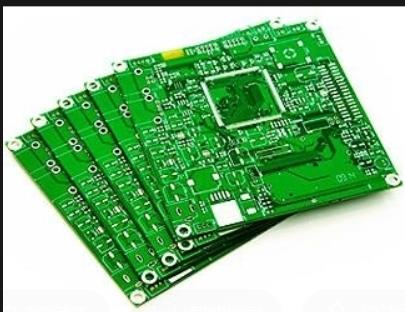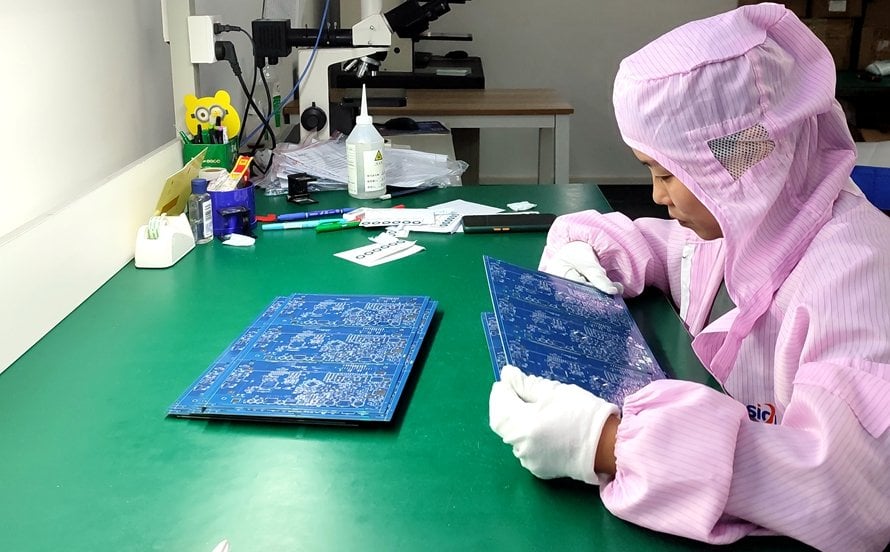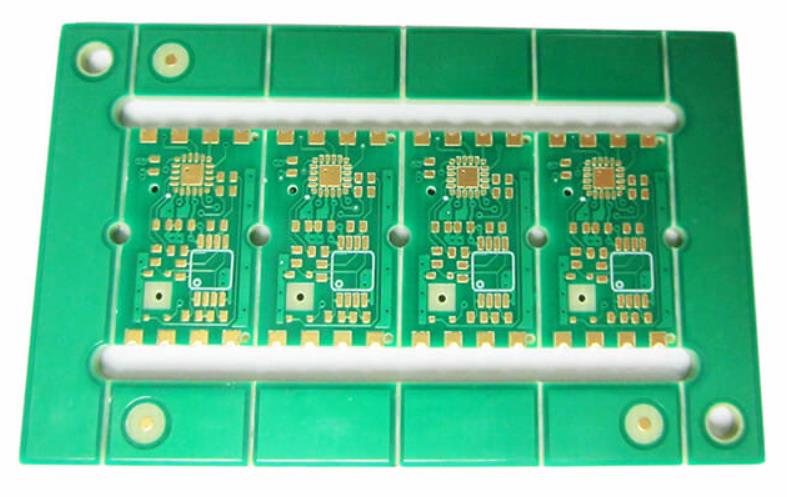
What Is Consignment PCB Assembly? A Complete Guide to Custom Consignment PCB Assembly with Fast Delivery In today’s rapidly evolving electronics manufacturing industry, speed, cost control, and supply chain flexibility are critical success factors. Whether you are a startup developing product prototypes or an OEM expanding production capacity, custom consignment…
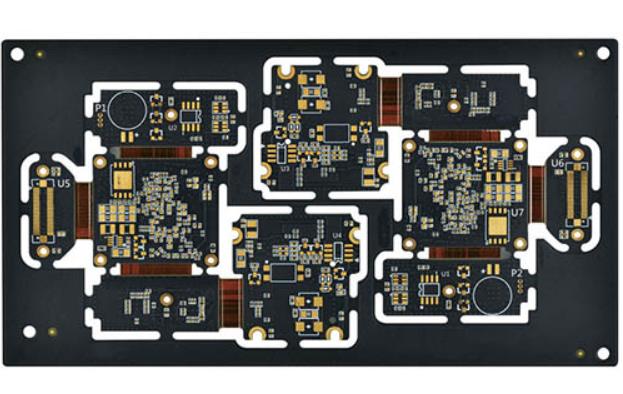
PCB Warpage in Manufacturing – Causes, Impact & Proven Solutions In PCB manufacturing, board flatness directly affects product quality, assembly efficiency, and long‑term reliability. With the trend toward higher density, miniaturisation, and high performance, PCB warpage has become a critical issue in design, fabrication, and SMT assembly. Whether in consumer…
PCB High‑Temperature Deformation – Causes, Impact & Prevention Strategies With the rapid growth of automotive electronics, industrial control, new energy systems, communication equipment, and high‑power electronics, PCBs must not only meet electrical performance requirements but also provide excellent mechanical stability and heat resistance. However, during PCB manufacturing, SMT assembly, and…
PCB Copper Weight and Trace Width – The Essential Design Guide for Engineers In PCB design, copper weight and trace width are two core parameters that directly affect electrical performance, thermal dissipation, current‑carrying capacity, and product reliability. Whether you are designing consumer electronics, industrial controls, power modules, or automotive systems,…
Non‑Standard PCB Cost Guide – Complete Pricing Breakdown & Estimation As electronics move toward miniaturisation, high performance, and customisation, the demand for non‑standard PCBs is growing rapidly. Unlike conventional boards, non‑standard PCBs often involve special shapes, unusual dimensions, exotic materials, high layer counts, or complex processes – leading to wide cost…
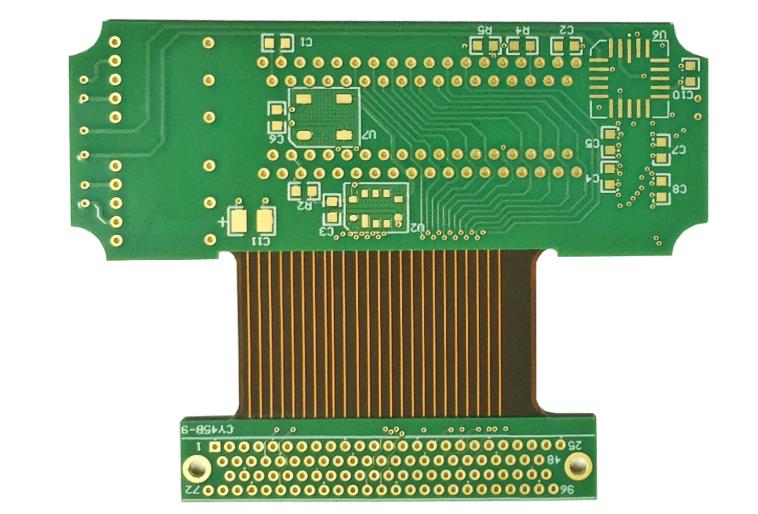
FR4 vs Polyimide PCB – Performance, Cost & Application Guide (2026) In PCB design and manufacturing, material selection directly determines product performance, cost, and reliability. The two most widely used substrates are FR4 (glass‑epoxy) and Polyimide (flexible high‑temperature material). FR4 is the standard rigid material due to its low cost…
2026 Computer PCB Pricing – Market Cost Breakdown & Key Factors With the growth of artificial intelligence (AI), high‑performance computing (HPC), cloud computing, edge computing, and industrial automation, PCBs for computer motherboards and computing platforms are facing ever‑higher performance demands. From standard PC motherboards to industrial computers, AI servers, and…
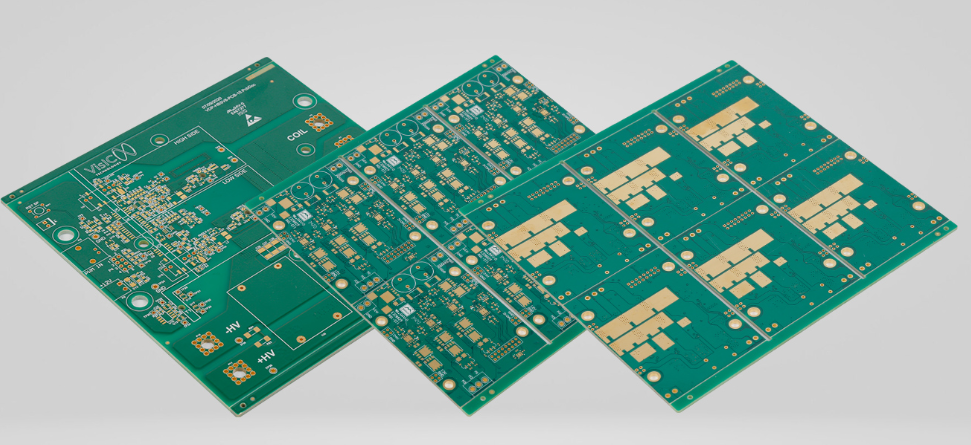
How to Choose the Right High Voltage PCB Substrate – Material Selection Criteria Explained With the rapid growth of new energy vehicles (EVs), energy storage systems, industrial power supplies, rail transit, medical equipment, and renewable energy inverters, high voltage PCBs have become a critical component in modern power electronics. Unlike…
Laser-Cut vs Electroformed PCB Stencils – Which Is Better for Your SMT Assembly? In modern Surface Mount Technology (SMT) manufacturing, the PCB stencil is a critical tool that determines solder paste printing quality and soldering yield. Stencil quality directly affects paste deposition, solder joint consistency, production efficiency, and long‑term reliability…
2026 Hybrid Multilayer PCB Cost Guide – Latest Pricing & Key Factors With the rapid growth of AI servers, 800G/1.6T switches, 5G base stations, automotive millimeter-wave radar, satellite communications, and high-speed data centers, hybrid multilayer PCBs have become the mainstream solution for high-frequency, high-speed electronic designs. Compared to traditional FR4…