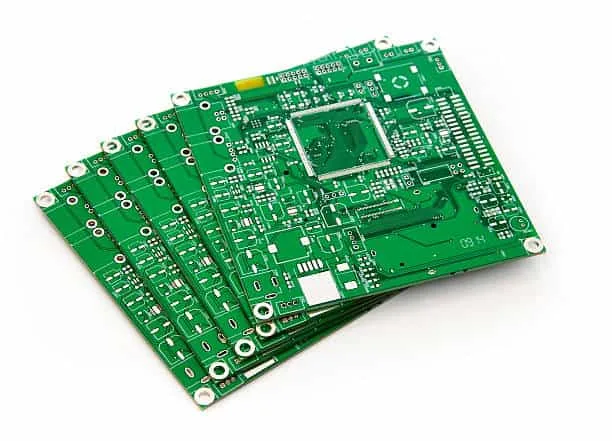
China has become an important global manufacturing base for printed circuit boards (PCBs) and PCB assembly (PCBA). With extensive manufacturing capabilities, mature electronics supply chains, competitive production costs, and increasingly advanced manufacturing technologies, Chinese PCB manufacturers serve customers across consumer electronics, industrial automation, automotive electronics, telecommunications, medical equipment, new energy,…
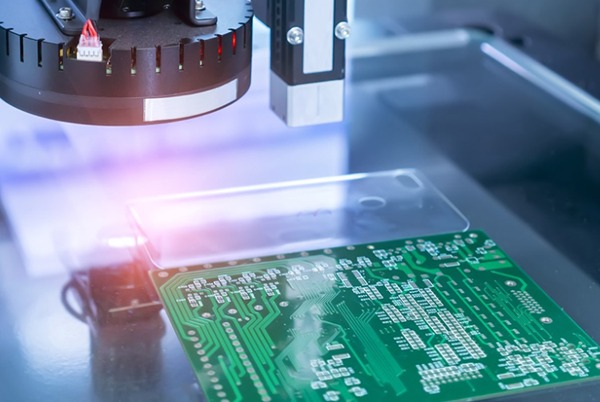
In modern electronics manufacturing, PCBA testing is a critical part of quality control used to verify whether an assembled printed circuit board meets its electrical, functional, and reliability requirements before shipment. A PCB assembly may appear visually perfect after SMT and THT assembly, yet hidden problems such as soldering defects,…
In modern electronics manufacturing, the performance, reliability, and service life of a finished product are closely related to PCBA quality control. Even a small defect, such as a soldering crack, component misalignment, incorrect component value, solder bridge, or hidden BGA soldering issue, can lead to intermittent failures, costly rework, product…
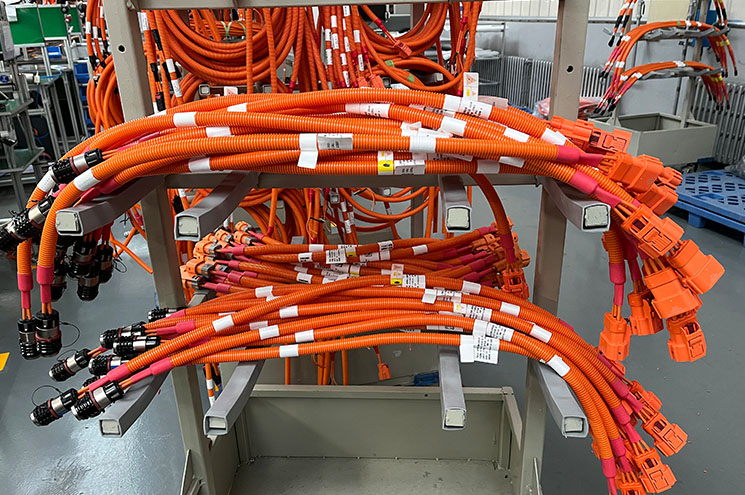
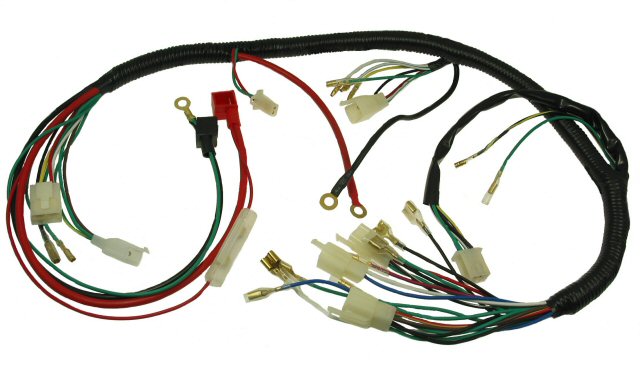
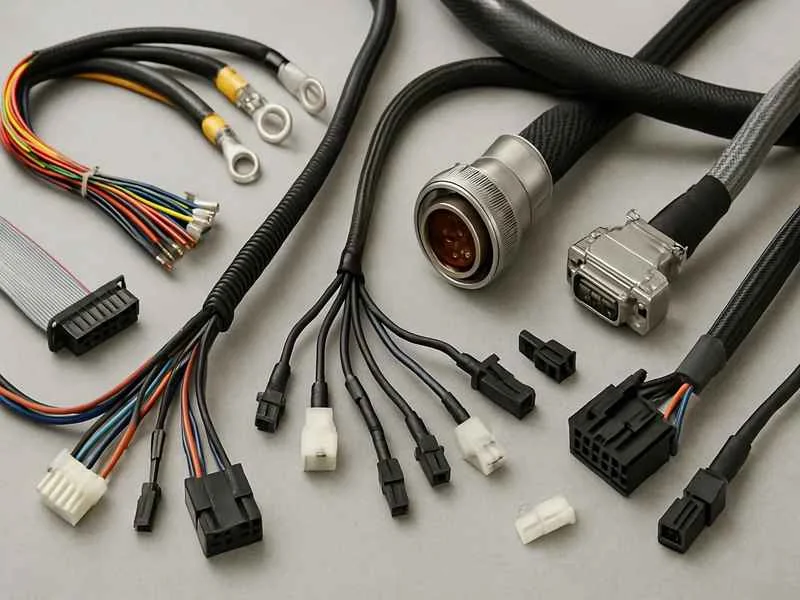
A wire harness is an engineered electrical assembly that organizes multiple wires, terminals, connectors, and protective components into a defined routing structure. By integrating individual conductors into a pre-assembled unit, a wire harness simplifies installation, improves wiring consistency, and supports reliable power and signal transmission inside electronic and electrical equipment.…
At first glance, a wiring harness may appear to be nothing more than an organized bundle of wires with connectors attached at the ends. In professional engineering and manufacturing, however, a wire harness is a highly engineered electrical assembly. The selection and integration of every component—from the conductor and insulation…
A wire harness, also known as a cable harness or wiring assembly, is an organized combination of wires, cables, connectors, terminals, protective materials, and other components designed to transmit electrical power and signals efficiently and safely. Depending on the application, a wire harness can contain only a few wires or…
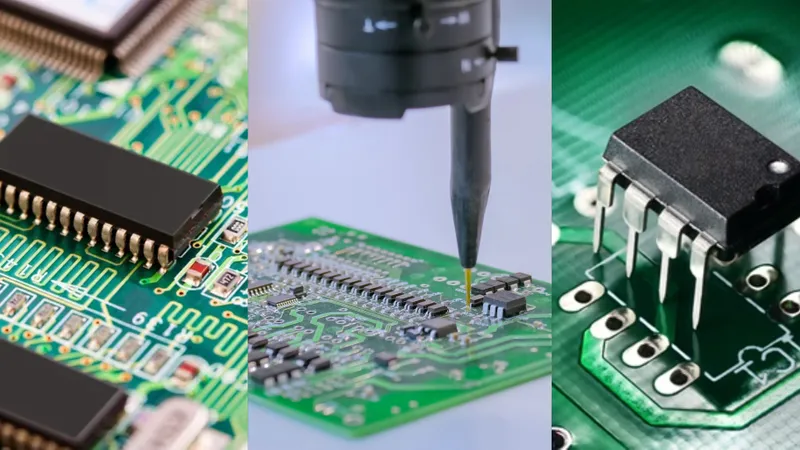
When choosing a PCB assembly method, manufacturers typically consider two major technologies: Through-Hole Technology (THT) and Surface Mount Technology (SMT). Both technologies have unique advantages and are suitable for different electronic products and manufacturing requirements. The choice between THT vs SMT can significantly affect PCB assembly cost, component density, production…
As electronic products continue to become smaller, smarter, and more powerful, PCB assembly technology has evolved to meet increasingly demanding requirements for miniaturization, reliability, production efficiency, and electrical performance. Today, two major component mounting methods are widely used in electronics manufacturing: Surface Mount Technology (SMT) and Through-Hole Technology (THT). Although…
Electronic components are available in a wide range of sizes, shapes, packages, and electrical specifications. Even the same type of integrated circuit (IC) can be manufactured in several package configurations to meet different electrical, mechanical, thermal, and assembly requirements. When designing a printed circuit board (PCB), two major component mounting…
Surface Mount Technology (SMT) has become the dominant technology in modern PCB assembly, enabling manufacturers to build smaller, lighter, faster, and more reliable electronic products. Unlike traditional Through-Hole Technology (THT), SMT mounts components directly onto the surface of a printed circuit board (PCB), eliminating the need for most component lead…