PCB Manufacturing Focus: Why Specialization Improves Quality
A factory that builds only circuit boards organizes everything around that one job. Its engineers see the same process steps every week, and its operators learn where defects usually start. That repetition builds judgment that a mixed workshop rarely develops. When you compare suppliers, ask what share of their floor time goes to PCB fabrication and assembly. The answer often explains the difference in yield, response speed, and how quickly a problem gets fixed.
Focus does not mean a narrow catalog. It means the plant invests its people, equipment, and process data in one discipline instead of spreading them thin. Engineering review, drilling, plating, imaging, lamination, and test all sit inside the same technical culture. That shared context matters when a design pushes a process limit. A focused team can trace the effect across steps, because the same group owns the whole route. Buyers see this in clearer questions and fewer surprises after the order is placed.
What Focus Changes on the Floor
Every manufacturing step leaves a trace on the next one. A thin plating layer affects etch quality, and a poor lamination cycle shows up later as registration error during drilling. When one team owns the full sequence, these links stay visible in daily production. Engineers learn to read a defect as a process signal rather than an isolated fault. That habit shortens the loop between detection and correction, and it keeps the same mistake from repeating across lots.
Focused plants also keep their equipment busy with similar work. Similar panel sizes, similar layer counts, and similar materials mean fewer setup changes and steadier process windows. Operators gain familiarity with the same machines and the same handling rules. That routine reduces variation, and variation is what drives scrap. A buyer should ask how often the line switches between very different product types, because frequent switching adds risk to every build.
Stackup Choices and Lamination Control
Layer count and material selection set the foundation for everything that follows. A focused fabricator keeps approved stackups for common designs and knows how each one behaves during pressing. Resin flow, thickness tolerance, and copper balance all interact, and the team has seen those interactions many times. When a new design arrives, the engineer can compare it against proven builds instead of starting from scratch. That comparison saves time and reduces the chance of a lamination defect.
Lamination control is where experience pays most. Temperature ramp, pressure timing, and cooling rate decide whether the board stays flat and whether vias remain reliable. A focused team records these parameters and reviews them when a lot shows drift. They also know which material suppliers deliver consistent panels. Buyers should request the stackup drawing and confirm that the agreed construction matches what the process sheet calls for. Small mismatches here become expensive later.
Drilling Risk and Via Reliability
Drilling is a high-risk step because so much depends on tool condition and machine stability. A worn bit raises hole wall roughness, and rough walls weaken plating adhesion. Focused shops track bit life, spindle runout, and entry material as routine variables. They also align drill programs with the actual stackup rather than a generic template. That discipline matters most on small holes and on high aspect ratio designs, where the margin for error is thin.
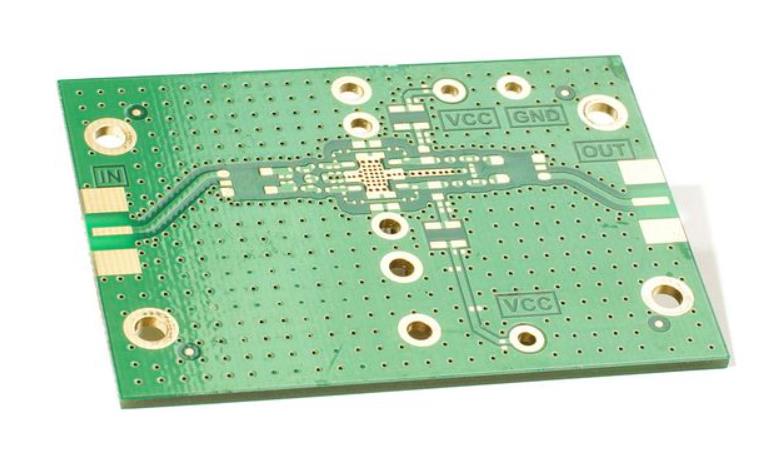
Blind and buried vias add another layer of complexity, because each lamination cycle must align with the drilling that follows. Registration error at this stage can ruin a panel that already carries many process hours. A focused fabricator builds inspection points around these steps and keeps the data with the lot record. Engineers reviewing your files should flag via structures that push the process window. Catching that early is cheaper than discovering it after pressing. Good PCB design and layout choices make this stage far more forgiving.
Process Discipline and Documentation
Records turn opinion into evidence. A focused plant logs which program ran, which materials were used, and what inspection found. When a customer reports a field issue months later, that record is the fastest path to the cause. It also proves whether a corrective action reached the next batch. Documentation should be considered part of the product by buyers, rather than an optional extra. Suppliers who keep honest records usually run tighter processes as well.
Documentation also supports repeat orders. A second build should follow the same process sheet, the same inspection plan, and the same acceptance limits as the first. That continuity is hard to maintain when a plant juggles many unrelated product types. A focused manufacturer can pull the earlier lot data and match it. If you need consistent output across releases, ask how the supplier stores and reuses process settings. The answer reveals how seriously they treat repeatability.
Test Coverage and Feedback Loops
Inspection catches defects, but its greater value is the feedback it gives the process. When a joint fails, the engineer learns whether paste volume, placement, or reflow caused it. That closed loop pushes defect rates down over time. Electrical test adds another layer, because a cracked joint or wrong part often appears only under power. Functional checks confirm the board behaves as the design intends. Each test stage should feed data back to the people who set the process.
Test coverage should match the product risk, not a fixed template. A simple control board and a dense multilayer design need different strategies. A focused team can explain why a given coverage level was chosen and what it leaves open. They also know which failures tend to escape visual inspection. Buyers should ask for test reports with the shipment and review them against the drawing. Reliable quality management depends on this loop staying active, not on a certificate on the wall.
Prototype to Volume Without Drift
The first small batch teaches more than any quotation. It reveals pad geometry issues, component tolerances, and how the process behaves with real materials. A focused plant treats the prototype as part of the project rather than an isolated favor. Lessons from that run flow into the volume build, and the process sheet carries the agreed settings forward. Teams that skip this stage often pay for it later, when rework or a field return costs far more than the pilot.
Moving to volume also tests the supply chain. A component that quietly changes plating, or a paste batch with different viscosity, can shift results without any machine alarm. Focused manufacturers qualify materials, check certificates, and approve alternates in advance. They also plan capacity so a ramp does not overload the line. Buyers planning a launch should discuss rapid PCBA prototyping early, because the prototype route shapes the volume route. High-volume PCB assembly works best when the process is already stable.
What Buyers Should Verify
A supplier visit should focus on evidence rather than claims. Ask to see how process parameters are recorded and how deviations are closed. Check whether inspection data is kept with the lot and whether it can be retrieved for a repeat order. Confirm that engineering reviews files before tooling and raises questions early. These habits separate a focused operation from one that simply owns the right machines. The answers tell you how the plant will behave when something goes wrong.
Pricing deserves the same scrutiny. A low unit price can hide weak process control, and that cost appears later as scrap or delay. Compare quotations on what is included: engineering review, test coverage, documentation, and delivery commitment. A focused manufacturer can explain each line and defend the schedule. They also know which requirements add real cost and which are unnecessary. That honesty helps buyers spend where it matters, including sensible component procurement decisions that protect the build.
Focus is ultimately a buying advantage. A plant that builds one product family every day learns faster, documents better, and corrects problems sooner. That accumulated knowledge shows up in stable yields and predictable lead times. It also shows up in the questions an engineer asks before production starts. When you evaluate a partner, look for depth in one discipline rather than a long list of services. The practical takeaway is simple: ask for the process record, the test data, and the stackup, then compare them across suppliers.