Impedance PCB Cost: How to Get an Accurate Quote
Two suppliers can quote the same impedance board and land far apart. The gap rarely comes from greed. It comes from what each supplier assumed about tolerance, stackup, test coverage and volume. An impedance-controlled board is not priced by board area alone, because the process window is narrower and the material matters more. Buyers who define those assumptions before they ask for a price get quotes they can compare. This review covers the factors that move impedance PCB cost and the steps that produce an accurate quotation.
Why Impedance Boards Price Differently
A standard board is priced largely on layers, size and quantity. An impedance board adds a controlled electrical property to that list. The fabricator must hold trace width, dielectric thickness and copper weight inside a window, then verify the result. Each of those controls costs engineering time and machine time. A quote that ignores them is not a bargain. It is a quote built on assumptions that will surface later as a change order or a rejected lot.
Material Selection Drives Base Cost
The laminate sets both the electrical behavior and a large share of the base price. Standard FR-4 is widely used and relatively inexpensive. High-frequency materials such as PTFE and polyimide offer better signal performance, but they are harder to drill, bond and process. That difficulty shows up in the price. Thickness matters too, because very thin or very thick dielectrics need custom handling. When a design calls for tight dielectric constant stability, the fabricator needs higher-grade material and tighter process control.
Matching material to the real application keeps performance and budget in balance.
Impedance Tolerance and Test Load
Tolerance is one of the clearest cost drivers on an impedance board. A commercial window of plus or minus ten percent is common. Tighter windows, such as plus or minus five percent, demand more. The fabricator must adjust process settings, monitor production more closely, control material quality and test more coupons. Each of those steps adds labor and may add scrap. Buyers should ask what tolerance the product actually needs.
Paying for accuracy that nothing uses raises the quote without improving the design. Where the link between the board and the system matters, our PCB design and layout team can review the stackup before release.
Stackup and Layer Count Effects
Multilayer impedance boards require careful control of layer alignment, dielectric thickness and lamination parameters. As layer counts rise, especially beyond twelve layers or with a complex impedance distribution, production difficulty climbs. Special structures add further cost. Blind vias, buried vias, step slots and counterbores each add drilling, routing and fabrication steps. Every one of them needs its own process check. A quote built from a simple layer count will miss this work.
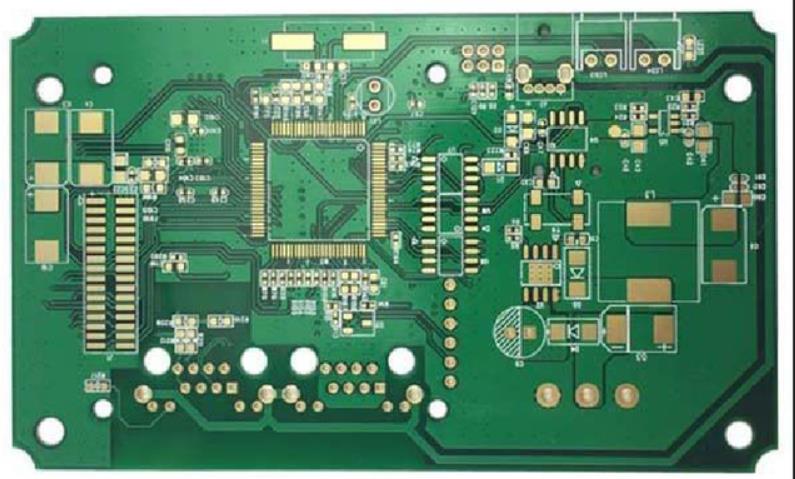
Send the full stackup and drill chart so the fabricator can price the real process rather than a simplified version.
Volume and Delivery Pressure
Quantity changes the unit price in a predictable way. Small prototype orders need separate setup, equipment adjustment and small-batch handling, so the cost per unit is higher. Large orders spread setup across many boards and improve material utilization and scheduling. Delivery time works the other way. An urgent order may need priority scheduling, extra labor or overtime, and those costs reach the quotation. Buyers should state both quantity and required date at inquiry, because a price without a date is only half a quote.
Compliance and Test Requirements
Environmental and testing requirements can hide in the fine print. RoHS compliance, halogen-free material and environmental testing may need special materials and extra inspection. Testing beyond standard impedance checks adds cost as well. Signal integrity testing, thermal cycling, dielectric withstand testing and third-party laboratory work all carry a price. Certification documents such as SGS or UL reports may add documentation cost. Listing these needs at the start prevents surprise charges later, and it lets the supplier price them honestly instead of guessing.
Building the Requirement List
An accurate quote starts with a complete requirement list. State the target impedance, the tolerance, the layer count, the material type and brand, board thickness and dimensions. Add the manufacturing details: blind or buried vias, surface finish, solder mask and silkscreen. Then add the commercial details: prototype or mass production quantity, delivery date, packaging and any environmental or test standard. The more complete the input, the fewer line items the supplier must estimate. Missing data is usually priced as risk, and risk is priced high.
Parameters to Confirm
Before you send files, confirm the impedance targets against the stackup drawing. Check that the tolerance matches what the circuit can tolerate. Confirm the material brand, because substitutes change the dielectric constant and the price. Verify the surface finish and via structure. A short review at this stage costs an hour. It can save a full re-quote after tooling has started, and it gives the supplier a fixed basis for the number.
Choosing the Right Supplier
Supplier capability decides whether the quoted price holds. Look for relevant experience, quality certification, impedance test equipment, controlled lamination and an engineering team that reviews files. A capable supplier will flag a stackup that cannot hold the requested tolerance. It will also suggest changes that cut cost without harming performance. Ask for a transparent breakdown covering material, process, test and labor. A supplier that cannot explain its number cannot defend it when the design changes. Where the project also needs PCB assembly, a single partner can quote the whole build.
Discussing Cost Structure
Quotation is a conversation, not a form. Ask how the price changes if tolerance moves from five percent to ten percent. Ask how the unit price falls at volume. Ask whether an alternative material meets the performance target at lower cost. These questions often reveal savings the buyer never considered. They also show whether the supplier understands the design. A supplier that answers with numbers and tradeoffs is easier to trust than one that only repeats the total. Record the answers so the next order starts from the same basis.
Quote Validity and Adjustments
Copper foil and laminate prices move, so most quotations hold for a limited period. Confirm the validity date, the material adjustment rules and the conditions that trigger a price change. Agree how design modifications are priced. Put those terms in the quotation or the contract. Clear terms prevent disputes when a raw material index shifts or when a revision adds a layer. Buyers who lock these conditions early get fewer surprises at invoice time, and suppliers can plan material purchases with more confidence.
Validate Before Locking Volume
For larger projects, build a prototype before committing to volume pricing. The prototype confirms manufacturing capability, impedance performance and process stability. It also exposes stackup or tolerance problems while the fix is still cheap. After a successful first article, negotiate a combined prototype and volume agreement. Define production cost, delivery schedule and quality standard in that agreement. Long-term terms give both sides a stable basis, and they turn a one-time quote into a plan the buyer can budget against.
None of this replaces the technical work of matching requirements to process. The price difference between two impedance boards is rarely about a cheaper supplier. It is about how well the requirement matches the manufacturing route. Buyers should compare transparency, capability and test coverage alongside the number. A quote that lists what is included, and what is not, is worth more than a lower figure with no basis. That discipline carries into turnkey PCB assembly and into every repeat order.
Testing closes the loop between the quote and the shipped board. Impedance coupons verify the process, and functional checks verify the circuit. Ask which tests run on every lot and which run only on the first article. Ask how failing coupons are handled. The answers show whether the quoted test line is real or nominal. Where components are part of the scope, and inspection records should travel with the boards. A supplier that documents test results makes the next quotation faster and more accurate.
For buyers, the practical takeaway is simple. Define the impedance target, tolerance, stackup and material before you ask for a price. State quantity and delivery date. Ask for a breakdown and for the validity terms. Then validate a prototype before locking volume. These steps cost little at the start and protect the budget later. Where the build needs PCBA testing as well, include it in the same inquiry so the quote covers the full scope. A complete request produces a quote you can act on.