Rolled Copper Foil Thickness in PCB Manufacturing
In PCB Manufacturing, rolled copper foil serves as a critical conductive material that directly influences the electrical and mechanical performance of printed circuit boards. Unlike electrolytic copper foil, rolled copper foil is produced through a mechanical rolling process, giving it superior flexibility, elongation properties, and electrical conductivity.
The selection of Rolled Copper Foil Thickness plays an important role in determining PCB performance, including signal transmission quality, mechanical durability, heat dissipation capability, and manufacturing compatibility. Different applications require different copper foil thickness levels to achieve the optimal balance between electrical performance, reliability, and production requirements.
1. Influence of Rolled Copper Foil Thickness on Signal Transmission Performance
The thickness of rolled copper foil has a significant impact on the signal integrity of a PCB, especially in high-frequency and high-speed electronic applications.
During high-frequency signal transmission, current tends to flow mainly along the surface of the conductor due to the skin effect. When thinner rolled copper foil is used, the available conductive cross-sectional area becomes smaller, making the skin effect more noticeable. This can increase signal loss and affect transmission stability.
In comparison, thicker rolled copper foil provides a larger conductive area, allowing signals and electrical currents to pass more efficiently. This advantage is particularly important in high-current circuits and advanced electronic systems where stable signal performance is required.
Copper foil thickness is also closely related to transmission impedance. Maintaining accurate impedance control is essential for high-speed PCB applications. Designers must consider copper thickness together with trace width, spacing, dielectric material properties, and signal frequency to achieve proper impedance matching.
For applications requiring advanced circuit performance, professional PCB Design & Layout services help engineers optimize trace structures, layer configurations, and copper thickness selection to ensure reliable signal transmission.
You can learn more about professional PCB design solutions through PCB Design & Layout services.
2. Relationship Between Copper Foil Thickness and Mechanical Reliability
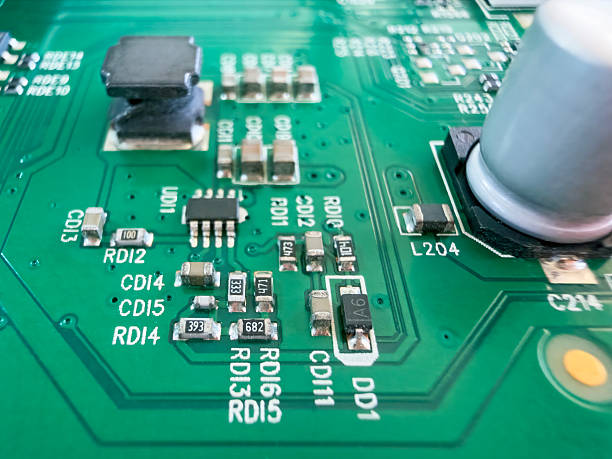
The mechanical strength of a PCB is strongly influenced by rolled copper foil thickness.
Thicker copper foil improves the connection strength between copper traces and the PCB substrate, enhancing resistance against bending, vibration, and mechanical stress. This makes it suitable for demanding applications such as industrial control systems, automotive electronics, and other environments where PCBs experience continuous mechanical impact.
For electronic products requiring long-term reliability, thicker copper layers can reduce the risk of trace cracking and improve overall service life.
However, thinner rolled copper foil also offers important advantages. In high-density interconnect applications where miniaturization and lightweight designs are priorities, thinner copper foil enables finer trace widths and smaller spacing. This makes it ideal for compact electronic devices requiring higher integration levels.
During PCB production, selecting the appropriate copper thickness must consider both structural requirements and electrical performance. A reliable PCB Manufacturing partner can help optimize material selection and manufacturing processes according to application requirements.
Professional PCB fabrication solutions are available through PCB Manufacturing services.
3. Effect of Rolled Copper Foil Thickness on Thermal Management
Heat management is another important factor affected by rolled copper foil thickness.
Copper has excellent thermal conductivity, and thicker copper foil creates a more efficient heat transfer pathway. It can quickly transfer heat generated by electronic components and circuits to the PCB substrate or external cooling structures.
For high-power applications such as power modules, motor control systems, and industrial electronics, thicker copper foil helps distribute heat more effectively, preventing localized overheating and improving operational stability.
On the other hand, thinner copper foil provides sufficient thermal performance for low-power electronic products where miniaturization and circuit density are more important than heat dissipation capability.
Engineers often combine copper thickness selection with optimized PCB structures, thermal vias, and material choices to achieve the best thermal performance.
For complex electronic products requiring complete manufacturing solutions, PCB Assembly Services ensure that component placement, soldering processes, and thermal considerations are properly integrated.
Explore professional PCB Assembly Services for reliable electronic manufacturing solutions.
4. Compatibility Between Copper Foil Thickness and PCB Manufacturing Processes
The thickness of rolled copper foil must also match the requirements of PCB production processes.
Thicker copper foil requires more precise etching control. During the etching process, excessive copper thickness may increase the difficulty of maintaining fine line accuracy and may cause issues such as uneven trace edges or incomplete etching.
In multilayer PCB fabrication, thicker copper layers may affect lamination pressure and interlayer bonding performance. Manufacturers need to carefully adjust lamination parameters to ensure strong adhesion between layers.
Thinner copper foil is more suitable for fine-pitch circuit fabrication because it allows manufacturers to achieve narrower traces and tighter spacing. However, additional attention is required during electroplating and surface treatment processes to maintain uniform copper thickness and prevent surface defects.
For projects involving prototype development or small-batch production, choosing a professional PCB Assembly Services provider helps ensure manufacturing processes are optimized from prototype validation to production.
For rapid product development, customers can explore Prototype PCB Assembly solutions designed for quick verification and engineering testing.
5. Selecting the Right Rolled Copper Foil Thickness for Different PCB Applications
Choosing the appropriate rolled copper foil thickness requires a comprehensive evaluation of electrical, mechanical, thermal, and manufacturing factors.
For high-frequency and high-speed communication equipment, thinner copper foil may help achieve precise impedance control and fine circuit structures. For power electronics and high-current applications, thicker copper foil provides better current carrying capability and heat dissipation performance.
Flexible circuits also require careful copper thickness selection because excessive thickness may reduce flexibility, while insufficient thickness may affect durability and electrical reliability.
Modern PCB applications increasingly demand customized solutions, from prototype validation to high-volume manufacturing. Professional suppliers provide flexible production capabilities including Low Volume PCB Assembly, high-volume production, and advanced assembly technologies.
For small and medium production requirements, explore Low Volume PCB Assembly services.
For large-scale manufacturing projects, manufacturers can also provide High Volume PCB Assembly solutions to ensure stable production capacity and consistent quality.
Conclusion
The selection of rolled copper foil thickness is a critical decision in PCB development and manufacturing. It directly affects signal transmission performance, mechanical reliability, thermal management capability, and production efficiency.
Whether designing high-frequency communication equipment, power electronics, automotive systems, or compact consumer devices, engineers must carefully balance copper thickness with application requirements.
By selecting the correct Rolled Copper Foil Thickness and working with experienced manufacturing partners, companies can achieve improved PCB performance, higher reliability, and optimized production results.
With comprehensive capabilities covering PCB Manufacturing, PCB Assembly Services, component sourcing, and advanced production technologies, professional PCB manufacturers help customers transform innovative designs into reliable electronic products.