Medical Certified PCB Manufacturer for Reliable Healthcare Electronics
In the healthcare industry, the stable operation of every precision medical device directly affects patient safety. As the core electronic component of medical equipment, printed circuit boards (PCBs) must achieve exceptional reliability, accuracy, and long-term stability.
A professional Medical Certified PCB Manufacturer ensures the safety and performance of healthcare equipment through strict quality standards, advanced manufacturing technologies, and comprehensive process control. From diagnostic instruments to life-support systems, medical PCBs play a critical role in maintaining accurate data transmission and dependable device operation.
1. Strict Requirements for Medical PCB Applications
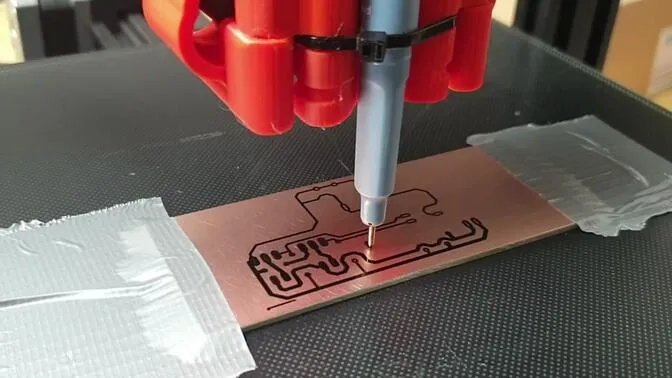
Medical equipment places extremely demanding requirements on PCB quality and reliability.
First, safety is the fundamental requirement. Since medical devices often directly interact with patients or participate in critical diagnostic procedures, PCBs must provide excellent insulation performance, strong electromagnetic interference resistance, and stable electrical characteristics. Any circuit failure could potentially affect device operation and compromise patient safety.
Second, long-term reliability is essential. Whether used in patient monitoring systems, imaging equipment, or laboratory instruments, medical PCBs must maintain consistent signal transmission and stable performance under continuous operation.
In addition, medical PCBs require excellent compatibility and durability. They must integrate perfectly with other electronic components while withstanding challenging environments such as temperature fluctuations, humidity, and sterilization conditions.
To achieve these demanding standards, manufacturers must combine advanced fabrication technologies with strict quality management systems. Professional PCB Manufacturing capabilities ensure that every circuit board meets the precision and reliability requirements of medical applications.
2. Medical PCB Certifications and Quality Standards
A qualified Medical Certified PCB Manufacturer must comply with strict industry certifications and quality management requirements.
Among these standards, ISO 13485 medical device quality management certification is one of the most recognized requirements in the healthcare industry. This certification regulates the complete production process, including design control, material selection, manufacturing procedures, inspection, and delivery management.
In addition to international quality systems, some regions also implement specific medical device regulations and approval requirements. These standards further strengthen production control and ensure that medical PCB products meet strict safety expectations.
Certifications are not only proof of manufacturing capability but also represent a manufacturer’s commitment to product reliability and patient safety.
For medical companies requiring complete electronic manufacturing solutions, professional Turnkey PCB Assembly services provide integrated solutions covering component sourcing, PCB fabrication, assembly, testing, and final delivery.
3. Advanced Manufacturing Technologies for Medical PCBs
A reliable Medical PCB manufacturer requires strong engineering capabilities and advanced production technologies to meet the complex requirements of modern healthcare devices.
Medical equipment often involves advanced PCB structures, including multilayer boards, high-density interconnect designs, blind and buried vias, and high-speed signal transmission technologies.
For example, PCBs used in MRI systems require excellent signal integrity and low-loss characteristics to ensure accurate imaging performance. Meanwhile, implantable medical devices require extremely compact PCB designs with efficient power management and long-term operational stability.
These applications demand exceptional manufacturing precision, strict process control, and advanced inspection capabilities.
High-density circuit structures and complex component integration also require advanced assembly technologies. Through professional SMT PCB Assembly processes, manufacturers can achieve precise component placement, improved production efficiency, and enhanced product reliability for medical electronics.
4. Flexible Production Capability for Medical Device Development
Medical PCB requirements often involve multiple product types and relatively small production volumes, especially during the research and development stage of new medical equipment.
Therefore, a qualified medical PCB supplier must provide flexible production capabilities, rapid response, and efficient engineering support.
From prototype verification to mass production, manufacturers need to quickly complete sample production, optimize manufacturing processes, and support continuous product improvements.
This flexibility is especially important for medical technology companies developing innovative equipment, where fast product iteration and reliable PCB performance are essential.
Professional Prototype PCB Assembly services help medical equipment developers quickly validate designs, identify potential issues, and accelerate product development cycles.
5. Customized Medical PCB Solutions for Healthcare Applications
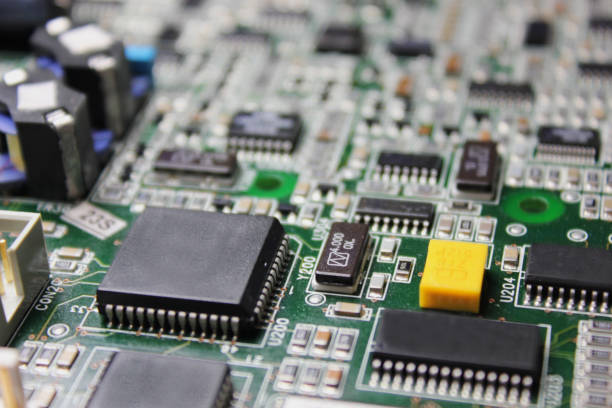
Medical electronics continue to evolve toward higher precision, smaller sizes, and greater functionality. This trend requires PCB manufacturers to provide customized solutions based on specific application requirements.
A professional medical PCB manufacturer should have expertise in:
- High-density multilayer PCB fabrication
- Fine-pitch circuit manufacturing
- High-speed and high-frequency PCB technology
- Advanced thermal management solutions
- Strict quality inspection and traceability systems
Different medical applications require different PCB solutions. Diagnostic equipment, monitoring systems, imaging devices, and portable medical electronics all require optimized designs to achieve the best balance between performance, reliability, and manufacturing cost.
Advanced PCB assembly capabilities, including surface mount technology and complex component integration, help manufacturers deliver reliable electronic products for healthcare applications.
Conclusion
Choosing the right Medical Certified PCB Manufacturer is essential for ensuring the safety, reliability, and performance of healthcare equipment.
Medical PCBs must meet strict requirements for electrical stability, mechanical durability, signal integrity, and regulatory compliance. Through advanced manufacturing technologies, professional engineering support, and comprehensive quality management systems, experienced PCB manufacturers help medical companies develop reliable electronic solutions.
With capabilities covering PCB Manufacturing, PCB Assembly Services, prototype development, and customized production, professional PCB suppliers provide the foundation for next-generation medical devices and healthcare innovations.