Conformal Coating PCB Assembly: Process, Materials, and Cost Guide
Electronic products fail more often because of moisture, dust, vibration, and chemical contamination than because of component defects. One of the most effective ways to harden a finished board against these threats is conformal coating PCB assembly. A thin insulating polymer film is applied over the populated circuit board, protecting conductors and solder joints while keeping the product lightweight and compact. This guide explains what conformal coating is, which materials are available, how the coating is applied during PCB assembly, what quality checks matter, and how much you should budget for the process.
Conformal coating is a protective layer, typically 25 to 75 micrometers thick, that follows the contour of the assembled board and its components. Unlike potting, which fully embeds a circuit, conformal coating covers exposed surfaces with a breathable film that resists moisture ingress, dust, fungi, and mild chemicals. It also adds mechanical protection against vibration and thermal cycling stress on solder joints.
During conformal coating PCB assembly, the coating is applied as the final protection step inside a professional PCB assembly workflow, after soldering, cleaning, and inspection have been completed and before final functional testing. If the process is well controlled, the coating does not interfere with electrical performance or heat dissipation. Boards for outdoor equipment, automotive electronics, medical devices, industrial controls, LED lighting, and communication systems are among the most common candidates for this treatment.
Deciding whether your product needs conformal coating should happen early in the design phase. Boards that operate in clean, climate-controlled indoor environments may not need it, while boards exposed to humidity, condensation, salt spray, or frequent temperature swings almost always benefit from a protective layer. Discuss the option with your contract manufacturer before the board layout is frozen, because component spacing and test point placement affect how easily the film can be applied and verified.
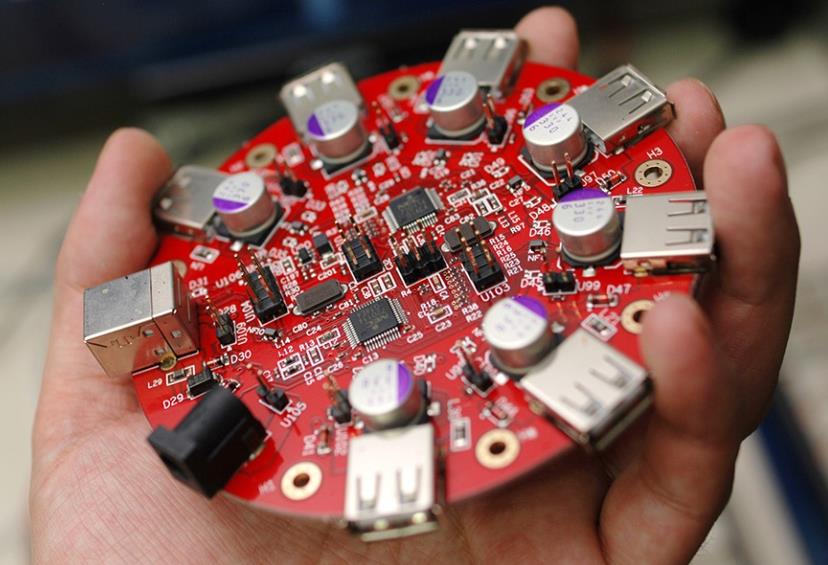
Main Types of Conformal Coating Materials
Each conformal coating chemistry has different strengths, cure mechanisms, and cost profiles. The selection depends on the operating environment, expected service life, repairability requirements, and thermal budget of the product. Below are the five pcb conformal coating types you will encounter most often in a professional PCB assembly environment.
Acrylic Coating
Acrylic resins are the most widely used conformal coatings because they are easy to apply, fast to cure, and simple to remove for rework. Acrylic offers good moisture and abrasion resistance, though its solvent resistance is limited. It is a practical default choice for many industrial and consumer applications.
Silicone Coating
Silicone coatings withstand extreme temperatures, from roughly -55°C to more than 200°C, and tolerate high humidity and thermal cycling well. They are thicker and softer than other coatings and provide excellent stress relief for components and solder joints. Silicone is preferred for automotive, aerospace, and high-power LED boards but is harder to remove during rework.
Urethane Coating
Urethane offers outstanding chemical and solvent resistance, good moisture protection, and strong mechanical durability. It is a common choice for harsh industrial and fuel-exposed environments. Because urethane is difficult to remove and requires solvent-based stripping, rework must be planned carefully.
Epoxy Coating
Epoxy coatings deliver the highest abrasion and chemical resistance of the common materials. They are used when a very hard, durable finish is needed, but they are difficult to repair and can stress components during cure. Epoxy suits boards that will not need field-level rework.
Parylene Coating
Parylene is applied by vacuum deposition rather than spraying or dipping. It forms an ultra-thin, pinhole-free, highly conformal film that reaches under components and into tight geometries. Parylene is expensive and requires specialized equipment, so it is reserved for medical implants, aerospace electronics, and other mission-critical assemblies where every gram and micron matter.
Conformal Coating Application Process
A reliable conformal coating application process follows a repeatable sequence of preparation, masking, coating, curing, and inspection. Skipping any step leads to adhesion failures, voids, or coating on areas where it is not allowed.
Cleaning and Surface Preparation
The board surface must be free of flux residue, oils, and particles before coating. Contamination prevents the film from bonding, which later allows moisture to creep under the coating. Depending on the assembly chemistry, cleaning uses deionized water, alcohol, or a compatible solvent, followed by a drying step that removes all absorbed moisture.
Masking of Protected Areas
Certain features must stay uncoated: gold edge connectors, battery contacts, test pads, switches, sensors, and components that generate heat or need airflow. Masking tape, silicone boots, or peelable masking compounds are applied to these zones. The masking plan should be defined in the assembly drawing so that every board is treated identically.
Coating Application Methods
Spray coating is fast and flexible, and it suits medium and high volumes when selective spray nozzles are used. Dip coating coats both sides at once and is economical for simple shapes, but it requires accurate withdrawal speed and viscosity control. Brush coating is reserved for prototypes, rework, and touch-up because coverage is operator dependent. Selective coating machines programmatically apply the material only where it is needed, saving expensive coating and reducing masking work. Vacuum deposition is used only for parylene.
Whichever method is chosen, coating thickness must be controlled within specification. Too thin a film gives little protection, while too thick a film can crack, entrap solvents, or bridge tightly spaced pads.
Curing and Drying
After application, the coating is cured by solvent evaporation, heat, moisture, or UV light depending on the chemistry. Cure temperature and time follow the material data sheet. Incomplete curing leaves the film soft and lowers its solvent and moisture resistance.
Quality Control and Testing
Quality management for conformal coating follows IPC-A-610 acceptance criteria together with IPC-CC-830 for the qualification and performance of conformal coatings. Inspectors check for dewetting, bubbles, delamination, voids, thickness, and coverage of component lead tips and solder fillets. A UV-detectable dye is often mixed into the coating so that inspection lamps reveal coverage and defects instantly.
After curing, boards move to electrical testing. Conformal coating should never hide opens or shorts, so your assembly partner should complete flying probe or in-circuit testing before coating, and functional testing after coating, to confirm that the protection step did not affect circuit behavior. An experienced PCBA testing department keeps these two test stages clearly separated in the process flow.
Cost Factors for Conformal Coating PCB Assembly
Coating cost is driven by four variables: material chemistry, application method, masking complexity, and board volume. Acrylic spray coating is the most economical option, while parylene is the most expensive. Selective coating reduces material waste but adds setup time. Boards with many protected areas, odd-shaped components, or two-sided coating requirements increase labor. When you request a quotation, ask for a breakdown of coating cost versus soldering and testing so that you can compare suppliers fairly.
Working with a full-service supplier lets you combine board fabrication, component procurement, assembly, coating, and testing under one quality system. For example, a project that starts with a well-designed board can move through SMT soldering, conformal coating, and functional testing without multiple handoffs between vendors.
Common Defects and How to Prevent Them
The most frequent conformal coating defects are bubbles, orange peel, dewetting, capillary wicking, and coating on forbidden areas. Most of them trace back to poor cleaning, wrong viscosity, excessive film thickness, or rushed curing. A controlled process with calibrated spray equipment, trained operators, and documented inspection records keeps defect rates low even when production volume is high.
How to Choose a Conformal Coating Assembly Partner
Look for a contract manufacturer that offers conformal coating as a dedicated service rather than an occasional add-on. Confirm that the facility follows IPC-CC-830, maintains material data for every batch, and can show you masking drawings and inspection reports. Ask about minimum order quantities, coating thickness measurement, and rework policy, because a coating mistake on an expensive assembly is far cheaper to fix before shipment.
If your board is still in development, discuss coating with your PCB assembly engineer before the design is finalized. Pad finishes, component height, and the location of test points all influence how cleanly a coating can be applied.
Suppliers that also control the upstream steps can keep the whole flow predictable. Combining PCB manufacturing with component sourcing and assembly means the board arrives at the coating station clean, flat, and built to the correct stack-up, which is exactly what consistent film quality depends on.
Conclusion
Conformal coating PCB assembly is a proven, cost-effective way to extend the life of electronics in demanding environments. By choosing the right material, defining a controlled application process, and verifying results with structured inspection and testing, you can dramatically reduce field failures caused by moisture, dust, and vibration. Evaluate your operating environment early, partner with an experienced assembly provider, and build coating decisions into the design from day one.
For a deeper look at related protection and reliability steps, contact our engineering team to discuss whether conformal coating is right for your next product launch.