HVAC PCB Guide: Functions, Types and Replacement Cost
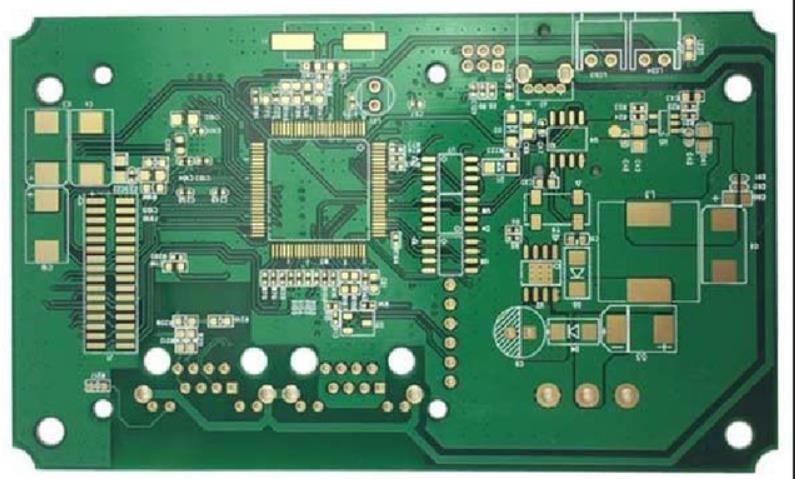
When a furnace stops heating or an air conditioner refuses to cool, the culprit is often a small board hidden inside the equipment. The HVAC PCB, also called the HVAC control board, is the central control unit of heating, ventilation, and air conditioning systems. It manages the signals flowing between the thermostat, blower, motors, and compressor, and technicians frequently describe it as the brain of the whole system. If the board fails, the system cannot heat or cool efficiently. Understanding how these boards work, what they cost to replace, and how to keep them reliable helps homeowners, technicians, and equipment brands alike. This guide explains the functions, components, types, failure modes, and smart trends of HVAC circuit boards.
Main Functions of an HVAC PCB
An HVAC control board performs several critical jobs that keep the climate system operating safely and efficiently. Power distribution supplies stable current to the blower, motors, and compressor, matching the demand of each stage. Thermostat signal processing translates temperature commands into actual heating or cooling actions, whether that means igniting a burner, energizing a contactor, or changing a fan speed. Safety monitoring watches for abnormal conditions and shuts the system down before a fault can damage expensive components. System coordination keeps every part working in sequence, so the blower, compressor, and dampers operate in the right order for stable, comfortable indoor conditions.
Modern boards add diagnostics and communication. They store error codes that tell a technician exactly which safety switch tripped or which sensor is out of range. In smart systems, the board exchanges data with Wi-Fi thermostats and building management systems, enabling remote control, scheduling, and energy reporting.
Key Components on an HVAC Circuit Board
Although a control board looks complex, it is built from a familiar set of parts. Relays, capacitors, fuses, and resistors manage current flow and protect the board from electrical faults. A microcontroller or processor handles thermostat input and makes the control decisions. Connectors and terminals provide reliable links to the fan, motors, compressor, and sensors. LED indicators display system status and fault codes so technicians can diagnose problems quickly.
Component quality determines board life. HVAC equipment runs in hot attics, dusty basements, and humid garages, so the board’s solder joints, relays, and capacitors must tolerate wide temperature swings and years of switching cycles. Boards built to higher standards use components with wider temperature ratings and more robust construction, which is why a quality PCB manufacturing process matters even for a product consumers never see.
Types of HVAC Control Boards
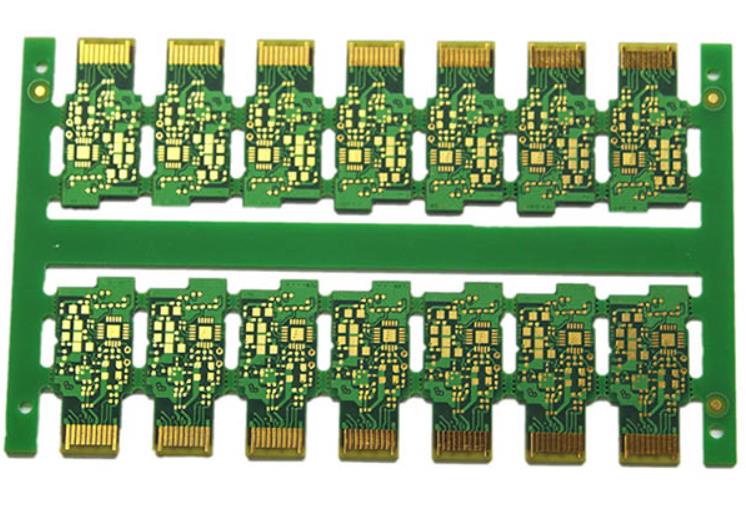
HVAC control boards come in several varieties matched to system type. Furnace control boards manage the ignition sequence, gas valve, and blower speed for heating systems, ensuring safe ignition and efficient heat delivery. Air conditioner control boards regulate the compressor, fan, and condenser cycles to maintain cooling performance. Heat pump boards handle both heating and cooling, which makes them more complex and usually more expensive. Universal replacement boards fit multiple brands and models, offering convenience for technicians though sometimes lacking original manufacturer features. Smart control boards connect to Wi-Fi and intelligent thermostats, enabling energy-saving modes and remote operation.
The board type also determines pricing and sourcing. Original manufacturer boards guarantee fit and reliability but cost more and can be slow to ship. Universal boards are cheaper and widely available. For OEM brands producing their own equipment, having a reliable source of custom control boards is a strategic advantage because it decouples production from aftermarket supply chains.
Common HVAC PCB Problems
HVAC boards fail in recognizable patterns as they age. The system may refuse to start or fail to shut down correctly. The blower may run continuously even when the thermostat is off. Heating or cooling cycles may become irregular, short, or nonexistent. Physical inspection often reveals burned traces, loose wiring, or damaged connectors. Environmental factors such as moisture, corrosion, and dust accumulation accelerate all of these failures.
Before replacing a board, technicians usually check the fuses, power supply, and wiring to confirm the board is actually at fault. Many suspected board failures turn out to be a blown fuse, a bad thermostat wire, or a failing capacitor elsewhere in the system. When the board itself is confirmed bad, the decision becomes repair versus replacement. Small soldering repairs are sometimes possible, but full replacement is generally more reliable and avoids repeated failures.
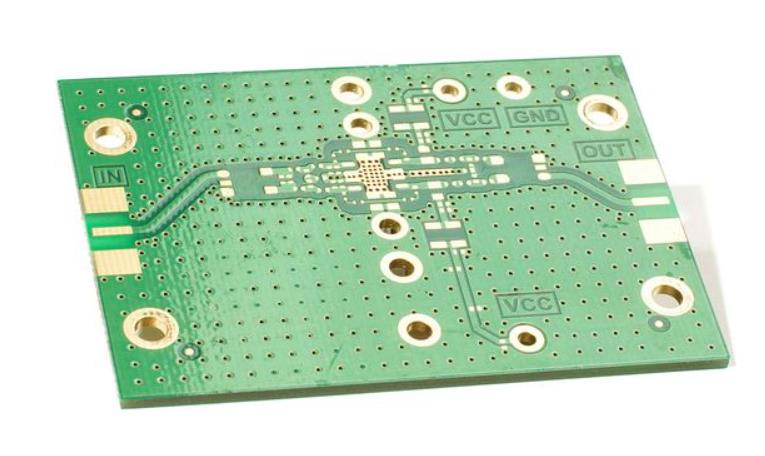
HVAC PCB Replacement Cost
Replacement cost for an HVAC circuit board typically ranges from $120 to $600, depending on brand, system type, and labor. The board itself for a standard furnace or air conditioner often costs $80 to $300, while heat pump and smart boards run higher. Professional installation adds labor, but it ensures correct wiring and prevents damage to other components during the swap.
DIY installation is possible for skilled homeowners, and universal boards make the process more approachable. However, an incorrectly wired board can destroy the new controller or damage the HVAC system, so most experts recommend professional installation unless the owner has solid electrical experience. Buying from reputable suppliers also matters, because counterfeit boards are a real problem in the HVAC parts market and rarely deliver the reliability of genuine parts.
Benefits of a High-Quality HVAC Board
Investing in a quality control board returns value over the system’s entire life. Energy efficiency improves because advanced boards optimize power distribution and stage operation, lowering electricity bills. System life extends as smarter sequencing reduces stress on the fan and compressor. Comfort improves because heating and cooling cycles stay steady and even. Repair frequency drops, since better boards use stronger components and advanced materials that fail less often. Modern boards also support smart thermostats, zoning systems, and energy-saving features that older boards cannot.
For equipment manufacturers, board quality is directly tied to warranty cost. A furnace brand that ships thousands of units cannot afford control boards that fail in the field, because each failure means a service call, a part replacement, and a damaged reputation. That is why serious OEMs qualify their board suppliers rigorously and specify thorough testing of every batch.
Preventive Maintenance for HVAC Boards
Good maintenance dramatically extends the life of an HVAC circuit board. Regular inspections catch loose wiring, burned connections, and dust buildup before they cause failure. Cleaning removes the dirt that traps heat and corrodes contacts. Surge protection shields the board from the voltage spikes that accompany lightning and grid switching. Moisture control, through proper sealing and drainage, prevents the corrosion that kills boards in basements and outdoor units. An annual professional checkup identifies small problems early and prevents them from escalating into mid-summer breakdowns.
Preventive maintenance is also good business for contractors. A technician who catches a developing board fault during a routine visit turns a potential emergency call into a planned repair, which is better for the customer and for the company’s schedule.
How to Choose the Right HVAC PCB
Choosing the correct board for a system matters more than saving a few dollars. Verify compatibility with the exact HVAC brand and model, because an incorrect board can damage the system. Decide between original manufacturer boards and aftermarket options with full knowledge of the trade-offs: OEM boards guarantee fit and reliability, while aftermarket boards tempt with lower prices but vary in quality. Buy from reputable suppliers or authorized HVAC parts distributors to avoid counterfeits. Confirm warranty coverage, since many OEM boards include protection against early failure.
For businesses that manufacture HVAC equipment rather than repair it, the sourcing question is different. They need a PCB partner that can build control boards to their specification with the reliability required for residential or commercial duty. A factory that combines fabrication with PCB assembly and runs functional testing on every unit keeps quality consistent from prototype to volume.
Design quality separates good HVAC boards from troublesome ones. The board layout must keep high-voltage switching traces away from low-voltage sensor inputs, provide adequate creepage and clearance for the mains-side circuits, and route the relay drive circuits with proper suppression. Connector placement must match the mechanical layout of the equipment so field technicians can replace boards without wrestling wires. Thermal design must account for the heat generated by relays and power components inside enclosures that are often poorly ventilated. When these details are handled during the layout stage, with input from a factory that builds similar control boards every day, the result is a product that installs cleanly, runs reliably, and earns its warranty cost back in fewer service calls.
Testing That Keeps HVAC Boards Reliable
Because an HVAC board controls high-voltage loads in a harsh environment, testing is not optional. Electrical testing verifies that every circuit connects correctly and no unintended shorts exist. Functional testing simulates real operating sequences, confirming that the board drives the fan relay, ignites the burner, or switches the compressor exactly as designed. Automated optical inspection catches soldering defects, and X-ray inspection verifies hidden joints in power components. Thermal testing screens boards for the heat-related failures that appear after months in an attic.
These checks are part of the PCBA testing services that certified manufacturers provide. When every board is tested, field failure rates stay low and warranty exposure stays predictable.
Technology Trends in HVAC Control Boards
HVAC circuit boards are moving quickly toward intelligence and efficiency. Smart control boards let owners monitor systems from a phone app, set schedules, and activate energy-saving modes. Advanced diagnostics embed sensors that detect faults and display error codes, speeding repairs. Energy-saving algorithms automatically adjust blower speeds, compressor cycles, and heating stages to cut consumption. Eco-friendly designs support modern refrigerants and high-efficiency units, and forward-looking manufacturers are building boards that remain compatible with future HVAC technology.
These trends increase the electronics content of every HVAC system, which raises the bar for board design and manufacturing. Equipment brands that partner with experienced electronics manufacturers, supported by documented PCB capabilities and quality management systems, will bring those smart products to market faster and more reliably.
Frequently Asked Questions
Q1. Why do HVAC PCBs fail? The common causes are power surges, dust accumulation, overheating, and moisture exposure.
Q2. How long does an HVAC control board last? Typically eight to twelve years, depending on usage intensity and maintenance quality.
Q3. Can a faulty board be reset? Minor faults sometimes clear with a reset, but recurring failures usually mean the board needs replacement.
Q4. Where can I buy an HVAC PCB at a fair price? Buy from reputable online suppliers or local HVAC parts distributors, and verify authenticity before purchase.
Q5. Can manufacturers build custom HVAC control boards? Yes, OEMs routinely order custom boards with proprietary control logic, tested to their own specifications.
Conclusion
The HVAC PCB is much more than a small electronic component; it is the central controller that keeps heating and cooling systems running safely and efficiently. From power distribution and safety monitoring to smart connectivity, the board shapes comfort, energy cost, and equipment life. Understanding its functions, recognizing failure signs, and choosing quality boards, whether as a replacement part or an OEM production component, keeps HVAC systems dependable for years to come.