Vehicle Sensor PCB Price Guide 2025: Cost and Buying Tips
Modern vehicles are packed with sensors. Temperature, pressure, proximity, motion, radar, and camera systems watch the car and its surroundings, and every one of them depends on a vehicle sensor PCB that survives heat, vibration, and humidity while delivering accurate signals. As electric vehicles and driver assistance systems grow, the demand for these boards keeps rising and so does the pressure to control their cost. This guide explains what a vehicle sensor PCB is, the price ranges for different sensor types, the factors that move pricing, regional differences, hidden costs, and the strategies that help buyers get automotive-grade quality at a sensible price.
What Is a Vehicle Sensor PCB?
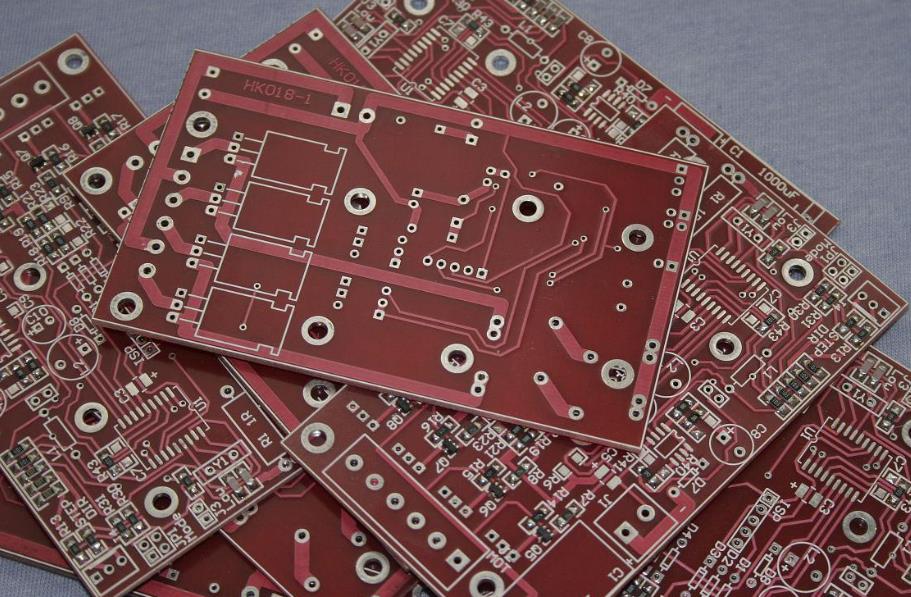
A vehicle sensor PCB is the electronic foundation inside an automotive sensor. It connects the sensing element, signal conditioning circuits, and communication interface, and it must keep working in conditions that would destroy a consumer board: engine-bay heat, freezing winters, constant vibration, and exposure to moisture, oil, and salt. Common applications include temperature sensors for the engine and battery management, pressure sensors for tire pressure monitoring and fuel systems, proximity sensors for parking assistance and collision detection, and motion sensors for navigation and stability control. Because a failed sensor can affect safety, the board is designed and built to automotive standards rather than general electronics rules.
Vehicle Sensor PCB Price Ranges
Prices cover an extremely wide band because a tire pressure sensor and an ADAS radar module share almost nothing in complexity. A simple two-layer temperature sensor board in volume costs about 0.5 to 1.5 dollars per piece. A pressure sensor board lands slightly higher at roughly 0.8 to 2 dollars. Proximity and ultrasonic sensor boards run 2 to 4 dollars, and advanced radar or LiDAR sensor boards range from 6 to 12 dollars because they need more layers, controlled impedance, and better materials. For reference, a high-end six-layer ADAS sensor board can reach 8 to 12 dollars per piece while a basic design stays under two dollars.
What Drives Vehicle Sensor PCB Cost
Several factors explain why two sensor boards can differ in price by an order of magnitude.
Material quality. Standard FR-4 keeps boards economical at about 0.5 to 1.2 dollars per piece, but automotive environments often demand high-Tg FR-4 or polyimide that resists heat and stress, pushing material cost to 2 to 4 dollars.
Layer count. Two-layer designs are cheapest, while six-layer automotive boards run 4 to 10 dollars because each added layer means more processing, registration, and testing.
Sensor type. Temperature and pressure boards are simple, radar and LiDAR boards carry high-frequency circuitry that demands low-loss materials and precise fabrication, which is why they cost the most.
Production quantity. Prototype boards cost 1.5 to 5 dollars per piece in small runs, while large production orders pull prices down to 0.5 to 2 dollars.
Certification. Automotive quality systems such as IATF 16949 require documented processes and traceability, which adds 10 to 30 percent to the price compared with boards made to consumer standards.
2025 Average Price Ranges
Looking at the market by order size gives a clearer planning picture. Prototype runs of ten to one hundred boards typically cost 1.5 to 5 dollars per board. Small-batch production of one hundred to one thousand boards falls to 0.8 to 3 dollars. Large-volume production above one thousand boards reaches 0.5 to 2 dollars for most designs. High-end ADAS and electric vehicle sensor boards remain at 8 to 12 dollars because their complexity and reliability demands do not shrink with volume. The spread is a reminder that quoting a sensor PCB without the full specification is meaningless.
Regional Price Differences
Where the board is manufactured changes the economics noticeably. Chinese manufacturers offer the most competitive production pricing, with volume prices as low as 0.5 to 1.5 dollars per board, supported by a mature supply chain for automotive laminates and components. American suppliers average 2 to 6 dollars per board because of higher labor and compliance costs. European factories fall between roughly 1.5 and 5 dollars, balancing price with local quality standards. For most global buyers, China remains the best value for vehicle sensor boards, provided the factory holds the automotive certifications the product needs.
Sensor Type Comparison
The sensor category determines most of the board specification. Temperature sensor boards monitor engine coolant, battery cells, and cabin climate, and they need heat-resistant materials more than high-speed design. Pressure sensor boards measure tire, fuel, and brake pressure with small, robust layouts. Proximity and ultrasonic boards support parking and blind-spot detection, adding modest signal processing. Radar and LiDAR boards are the premium tier: they operate at high frequencies, need tight impedance control and low-loss laminates, and undergo the strictest testing. When planning a budget, start with the sensor class, then refine with layer count and certification, and the price range will narrow quickly.
Hidden Cost Factors
Quotes often miss costs that appear later. Conformal coating for corrosion and moisture protection adds material and labor. Non-standard board shapes and sizes reduce panel utilization and increase scrap. Strict inspection requirements, including automated optical inspection, in-circuit testing, and full functional testing, raise the per-board cost. Expedited delivery can add 20 to 40 percent. Design changes after tooling are the most expensive hidden cost of all, which is why a complete specification and a design review before production are worth far more than they cost.
Price Trends for 2025 and Beyond
Overall vehicle sensor PCB pricing is expected to stay stable through 2025, with movement driven mainly by raw material costs such as copper, laminates, and gold for finishes. As electric vehicles and autonomous driving features spread, demand for high-reliability multilayer boards is growing, which may push prices for the most advanced designs slightly upward. Buyers who plan volume commitments with Chinese suppliers can still secure the most competitive rates while meeting automotive quality standards. Watching material markets and locking in annual volumes are practical ways to stabilize cost in a fluctuating environment.
Battery electric vehicles add their own sensor demands on top of the traditional set. Thermal management systems use temperature sensors at every cell group to protect the pack, current sensors monitor charge and discharge, and cabin and powertrain systems add pressure and position sensing. Autonomous driving pushes complexity further by combining camera, radar, ultrasonic, and LiDAR data, each with its own board requirements and its own price point. For purchasing teams, this means forecasting sensor board volume by vehicle platform rather than by individual model, because the same board family often serves several vehicles. Locking in platform-level volumes with a certified manufacturer smooths pricing, protects supply, and gives the factory the visibility it needs to hold quality while the industry scales.
How to Reduce Vehicle Sensor PCB Cost
Cost reduction follows the same logic as in any electronics project, applied with automotive discipline. Optimize the design so it does not need more layers, tighter tolerances, or exotic materials than the application requires. Choose materials that meet the environment without overspending, for example high-Tg FR-4 instead of polyimide where the thermal budget allows. Consolidate orders to reach volume pricing, because the jump from one thousand to ten thousand boards changes the economics dramatically. Work with a supplier that reviews the design before tooling so that manufacturability problems are caught when they are free to fix. Each of these steps removes cost without removing reliability.
Choosing a Vehicle Sensor PCB Manufacturer
Automotive boards are not the place to experiment with an unproven supplier. Look for a factory with documented automotive experience and certifications such as ISO and IATF 16949, which demonstrate process control and traceability. Confirm it can handle the materials, layer counts, and finishes your sensors require, and ask about its inspection and testing capability, including AOI, ICT, and functional testing of assembled boards. Check that prototype service is fast enough for development cycles, typically five to seven working days, and that volume production runs on a realistic two-to-three-week schedule. A partner that supports both standard and custom designs, and that combines PCB manufacturing with PCB assembly and testing, keeps the quality chain short and the communication simple.
Quality and Reliability in Automotive Boards
Reliability is not a feature in automotive electronics; it is the specification. Sensor boards must hold their electrical properties across temperature extremes and vibration for the life of the vehicle. That starts with the laminate and finish, continues through controlled processes such as impedance verification and cleanliness checks, and ends with testing that simulates real service. Thermal cycling finds weak solder joints, vibration testing shakes out mechanical failures, and functional testing confirms the sensor reads correctly through the full range. These tests cost money per board, but they are the reason an automotive board can be trusted in a safety-critical path. A factory that treats PCBA testing as a core step rather than an option is the only kind worth considering for vehicle projects, and its quality management system should be visible in documentation the buyer can audit.
Designing Sensor Boards for Harsh Environments
The environment inside and around a vehicle is unforgiving, and the board design must anticipate every stress. Temperatures under the hood can swing from far below freezing to well over a hundred degrees Celsius, so the layout should keep heat-generating components away from sensitive sensing elements and use copper pours that spread thermal stress evenly. Vibration is constant, which means connectors need mechanical support, heavy components need secure anchoring, and solder joints should be designed with adequate pad size rather than minimum dimensions. Moisture and contaminants demand clean board finishes and, in exposed locations, conformal coating that keeps water from creeping under components. Electromagnetic noise from motors, inverters, and other vehicle electronics requires careful grounding, shielding, and filtering so the small sensor signal is not swamped by interference. These decisions belong in the PCB design and layout phase, where an automotive engineer can balance cost and reliability before the design is frozen for production.
Frequently Asked Questions
Q1. What is the minimum order quantity for vehicle sensor PCBs? Most manufacturers accept prototype orders of five to ten boards so designs can be validated before volume production.
Q2. Are automotive-grade PCBs more expensive than consumer boards? Yes, typically 20 to 40 percent more, because of better materials, certification overhead, and stricter testing.
Q3. How long does production take? Prototypes usually ship in 5 to 7 working days, while volume production takes about 2 to 3 weeks.
Q4. Do custom designs cost more? Customization generally adds 0.2 to 1 dollar per board depending on complexity, layer count, and materials.
Q5. Which certification matters most for automotive PCBs? IATF 16949 is the key automotive quality standard, usually complemented by IPC manufacturing compliance and RoHS material compliance.
Conclusion
Vehicle sensor PCB pricing in 2025 ranges from about 0.5 dollars for a simple temperature board to 12 dollars for an advanced ADAS sensor, depending on type, complexity, and order size. Understanding the cost drivers, regional differences, and hidden fees lets buyers set realistic budgets and negotiate from knowledge. Combined with a certified manufacturer that offers fast prototyping, transparent pricing, and rigorous testing, automotive teams can source sensor boards that perform reliably in the harshest conditions a vehicle will ever face.