Home Theater PCB Assembly Cost Guide: 2025 Audio PCBA Pricing
Why PCB Assembly Quality Decides Home Theater Performance
Modern home theater systems hide an impressive amount of electronics inside slim enclosures. AV receivers, power amplifiers, soundbars, and active subwoofers all depend on printed circuit board assemblies that can amplify clean audio, switch high currents, decode multichannel formats, and run wireless and smart features without introducing hum, distortion, or heat failures. A home theater pcb assembly is where audio engineering meets manufacturing discipline: component placement, solder quality, and thermal design determine whether a product sounds as good on year three as it did on day one. This guide explains what drives audio PCBA pricing so brands, project engineers, and OEM buyers can budget accurately and choose the right assembly partner.
What a Home Theater PCBA Actually Contains
Peel the cover off an AV receiver or soundbar and you find several boards working together. A main processing board carries the audio DSP, decoder and streaming chips; amplifier boards hold the output stage with power transistors and large filter capacitors; and power supply boards convert mains voltage into clean, low-noise rails. Input and control boards handle HDMI switching, volume, and connectivity. Each board has different requirements: signal boards need careful grounding and short analog paths, while output stages need heavy copper, good thermal contact, and layout that keeps high currents away from sensitive inputs.
The Main Cost Drivers in Home Theater PCB Assembly
Component cost dominates most audio PCBA budgets. High-grade audio op-amps, DSP processors, power MOSFETs, and low-ESR audio electrolytic capacitors cost far more than their generic equivalents, and the BOM can easily represent 50-70 percent of total assembly price. Board technology is the second driver. Two-layer boards used for basic control and interface circuits typically cost USD 0.8-1.8 per board, four-layer boards for audio processing and decoding run USD 1.8-4.5, and HDI boards for compact soundbars and Wi-Fi modules fall in the USD 4.5-12 range. Layer count and laminate grade scale with signal complexity and current handling, not with ambition, so a realistic stack-up saves real money.
Assembly Type: SMT, Through-Hole and Mixed Technology
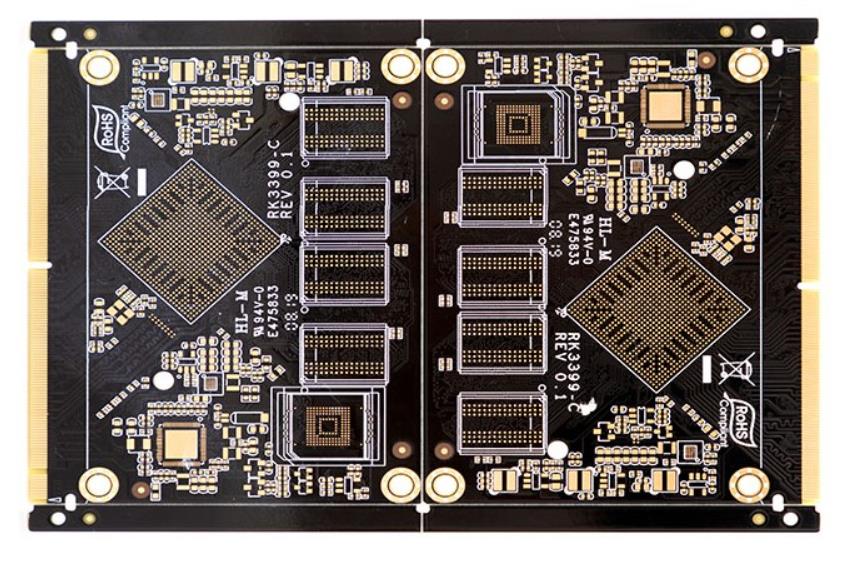
Assembly cost depends heavily on process mix. Surface-mount technology is ideal for DSP chips, wireless modules, and small passives, and competitive SMT placement in China commonly prices around USD 0.008-0.015 per solder joint. Through-hole assembly remains necessary for large electrolytic capacitors, connectors, and high-power transistors that must survive vibration and repeated thermal stress. Because power amplifiers combine fine-pitch SMT control electronics with big through-hole output stages, mixed technology assembly is the most common and most cost-effective route, and it needs a shop that runs both lines well rather than treating through-hole as an afterthought. A partner offering both SMT PCB assembly and through-hole capability under one roof keeps logistics simple and quality consistent.
Design Choices That Move the Price
Several design decisions have outsized effects on home theater pcb assembly cost. Ground and power plane strategy determines layer count, and a well-planned two-plane analog layout can avoid an unnecessary four-layer jump. Copper weight matters on amplifier outputs: 2 oz and heavier copper carries current with less heat but costs more to etch. Thermal design affects both cost and reliability, because audio output stages generate sustained heat that must reach the heatsink through thermal vias and thick pads. Keep analog and digital sections separated in layout, specify realistic tolerances, and avoid exotic finishes where standard ENIG or lead-free HASL works for the environment.
Testing and Quality Steps That Protect Your Brand
Audio boards deserve testing beyond simple power-on checks. Automated optical inspection verifies placement and solder joints, while in-circuit testing confirms every component is correct and connected. Functional audio testing listens for distortion, channel balance, and noise, and burn-in at elevated temperature catches weak solder joints before they reach customers. Conformal coating is worth considering for receivers and amplifiers that may face humid rooms or dusty entertainment centers. These steps add a few dollars per board but prevent the returns and negative reviews that cost far more. Documented test records from a PCBA testing program give your quality team and your customers confidence.
Realistic Home Theater PCB Assembly Price Ranges
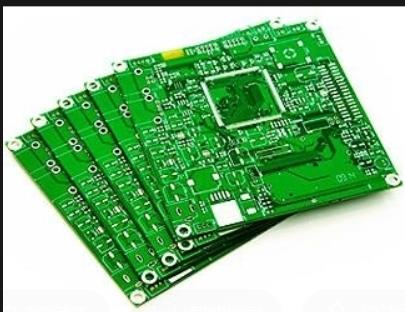
Combining board, parts, and labor gives practical planning figures. A simple soundbar control board in two layers with basic components often assembles for USD 3-9 per unit at moderate volume. A four-layer AV receiver processing board with DSP and wireless modules typically lands at USD 8-20, while a high-power amplifier PCBA with MOSFET outputs, heavy copper, and through-hole filter stages can run USD 15-45 depending on output rating and component brand. Prototype quantities add engineering and setup charges, so small runs of one to fifty boards may cost USD 50-200 in assembly fees before per-unit rates apply. Volume pricing improves quickly once the process stabilizes, which is why a turnkey relationship pays off.
Choosing an Audio PCBA Manufacturing Partner
Look for a partner that combines fabrication and assembly so the board and its components are designed to work together. Ask about experience with audio and power products, verification of BOM life-cycle status, and flexibility for small and large batches. A single source for bare boards, component procurement, and assembly shortens lead times and makes quality accountable to one team, as with a complete turnkey PCB assembly service. Request test reports and inspect their handling of ESD-sensitive audio chips, because component care is where the subtle failures hide.
Where to Source Home Theater PCBAs: Regional Comparison
China remains the value center for audio electronics, combining component supply for DSPs, op-amps, and power semiconductors with mature SMT capacity and per-joint rates around USD 0.008-0.015. Southeast Asia typically runs 10-20 percent higher, while European and North American assembly can cost two to four times the Chinese baseline when labor, freight, and smaller component ecosystems are factored in. For consumer audio, where retail price pressure is intense, most brands pair Asian assembly with local design and quality oversight. The hidden cost is communication: audio specifications, test criteria, and layout notes travel poorly through informal channels, so a supplier with English-speaking engineering support and documented processes saves expensive misunderstandings.
Component availability deserves its own planning line. Audio DSPs and high-grade capacitors face allocation swings, and long-lead parts can stall a launch even when the assembly line is ready. Ordering critical components ahead through a procurement partner, validating alternate sources, and freezing the BOM early keeps schedules predictable. Ask your assembler how they manage component lifecycle and buffer stock, because audio products live for years and a chip that quietly goes end-of-life becomes a redesign crisis.
Home Theater PCB Assembly FAQ
Q1: Why is audio PCBA more expensive than generic electronics assembly? Audio boards combine precision analog components, power-stage current handling, and quiet layout requirements that generic digital boards do not need.
Q2: What is the cheapest route to prototype? A two-layer design with standard parts and a mixed SMT line keeps early units affordable; reserve four-layer and HDI investment for proven products.
Q3: How much should I budget per unit at volume? Entry soundbar boards commonly run USD 3-9, AV receiver processors USD 8-20, and power amplifier assemblies USD 15-45 depending on power class.
Q4: Is functional audio testing necessary? Yes, solder defects and marginal components often pass power-on checks but show up as noise or distortion; functional testing catches them before shipping.
Conclusion
Great home theater hardware starts on the assembly line. By balancing BOM choices, board technology, and process mix, brands can deliver clean, powerful audio at a competitive price. Work with an assembler experienced in PCB assembly for audio and power products, agree on test coverage early, and the result is a sound system your customers keep for years rather than return in weeks.