Fire Alarm PCB Guide: How Alarm Control Boards Are Built
The Board That Never Sleeps
When a building fills with smoke, lives depend on electronics that have been waiting silently for years to make one decision correctly. At the center of every fire detection and alarm system sits a fire alarm pcb, the control board that reads signals from smoke, heat, and flame detectors, decides whether a real fire exists, and triggers alarms, sprinklers, and emergency notifications. Because a false alarm costs money and a missed fire costs lives, these boards are engineered for accuracy, reliability, and fail-safe behavior. This guide explains how fire alarm PCBs work, how they are built, and what to check when sourcing them.
What a Fire Alarm PCB Does
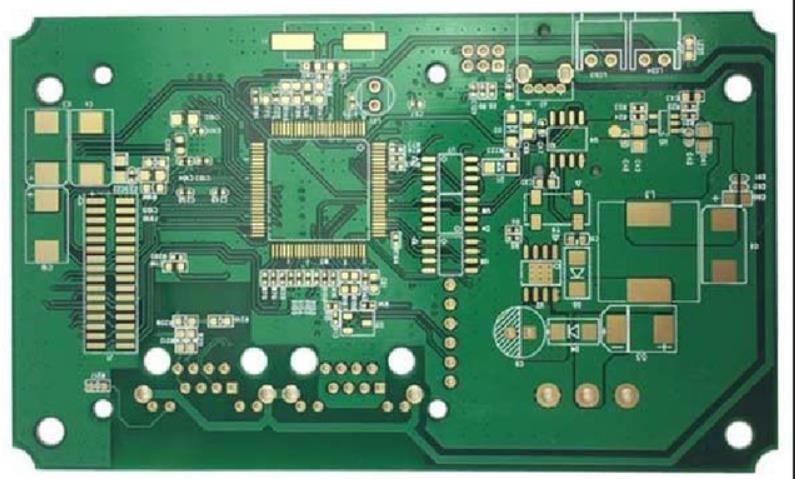
A fire alarm control board is the brain of the detection system. It receives signals from detectors spread through the building, filters and processes them to separate genuine fires from steam, dust, and cooking fumes, and then drives the outputs that warn occupants and fight the fire. A typical fire alarm pcb carries a microcontroller that runs the alarm logic, sensor interface circuits for smoke and heat detectors, relay and driver stages for sirens, strobes, and sprinkler valves, power regulation that works from mains with battery backup, and communication hardware that links the panel to central monitoring. Layout prioritizes reliability: wide copper for current-carrying paths, thermal pads where drivers run hot, and clear isolation between high-voltage and low-voltage sections.
How the Board Makes Decisions
The decision process starts at the sensors. Smoke detectors and heat detectors send analog or digital signals to the fire alarm pcb, where the signal is filtered and amplified before the microcontroller compares it against thresholds programmed for the protected space. When the logic confirms a fire condition, the board energizes relay outputs to sound alarms and flash strobes, activates suppression systems where fitted, and reports the event to a central monitoring station. Modern systems add redundancy so that even if part of the circuitry fails, the board continues to detect and alarm, which is essential in hospitals, factories, and high-rise buildings where evacuation depends on the panel working in an emergency.
Conventional, Addressable and Wireless Systems
Fire alarm pcb designs track the system architecture. Conventional systems connect groups of detectors to shared zones, which suits small and medium buildings at lower cost; the panel knows a zone has triggered but not exactly which device. Addressable systems give every detector its own identity and let the panel pinpoint the exact location of a fire, which is why large facilities and high-risk sites use them. Wireless systems link detectors to the panel by RF, Zigbee, or Wi-Fi to cut installation cost in buildings where wiring is difficult, and hybrid boards combine wired stability with wireless flexibility. Industrial installations use boards built with high-temperature materials and heavy copper for harsh environments. Each architecture changes the microcontroller, communication, and power sections of the board.
Materials and Design for Maximum Reliability
Fire alarm boards live for decades in utility rooms, ceilings, and control cabinets, often in dusty or humid conditions. High-Tg FR-4 keeps the board stable at elevated temperatures, and conformal coating protects traces and components from condensation and corrosion. Layout rules favor wide traces and generous spacing, because a board that must energize sirens and valves needs real current capacity and clearances that prevent arcing. The power section manages both mains input and battery backup, switching seamlessly so the system never loses supervision during a power cut. Surge protection on detector loops and communication lines clamps the transients that lightning and motor loads inject, keeping the panel alive when it matters most.
Addressable Intelligence and Communication
Addressable panels communicate with each detector over a loop, reading its status and configuration while also powering it. The fire alarm pcb manages this with robust line drivers that survive short circuits and wiring faults, and the loop electronics isolate faults so a single damaged detector does not disable the whole system. Communication to central monitoring travels over telephone, cellular, IP, or dedicated fire networks, and the board hosts the modem or network interface with its own power and supervision. Redundant communication paths are common in larger installations. These features make the board a small networking system, and they add complexity that shows up in both design effort and unit cost.
Manufacturing and Testing Standards
Because failure is not an option, fire alarm boards are built and tested to strict standards. Manufacturing follows IPC Class 2 or Class 3 depending on the application, with materials qualified for flammability and thermal performance. Automated optical inspection and in-circuit testing catch assembly defects, and functional testing verifies each input and output, including relay operation under load and battery-backup behavior. High-potential testing confirms isolation between mains and low-voltage sections, and aging or burn-in screens components before the board enters service. Traceability records link every board to its build data, which supports both quality audits and field maintenance. A manufacturer offering PCBA testing with documented results gives certification bodies and building owners the evidence they need.
Cost Drivers and Realistic Ranges
Fire alarm PCB pricing depends on system type and channel count. A conventional control board with a few zones and basic relays might cost USD 6-15 bare and USD 20-50 assembled at moderate volume. An addressable panel board with dozens of loop channels, communication interfaces, and battery management typically runs USD 15-40 bare and USD 50-150 assembled, with certification and testing adding their own cost. Industrial and high-reliability versions with heavy copper, coating, and extended testing cost more. Prototype and approval samples carry engineering charges, so first articles commonly land in the USD 200-800 range. Compliance with regional fire standards is a separate project cost that every responsible buyer budgets from the start.
Choosing a Fire Alarm PCB Manufacturer
Select a manufacturer that understands safety-critical electronics and their certification environments. Ask about experience with alarm and control products, their handling of isolation, coating, and power sections, and their willingness to support certification documentation with traceable test data. Confirm they can build prototypes and volume batches on the same controlled processes. A full-service partner combining PCB manufacturing, assembly, and quality management gives you one accountable team for the board that a building will rely on in an emergency.
Fire Alarm PCB FAQ
Q1: Conventional or addressable control board? Conventional suits small buildings and lower budgets; addressable systems pinpoint the exact detector and suit large or high-risk facilities.
Q2: What materials are used? High-Tg FR-4 is standard, often with conformal coating, and industrial boards may add heavy copper for current-carrying outputs.
Q3: How do panels keep working in a power cut? Battery backup with seamless changeover is designed into the power section, so supervision and alarm outputs continue on DC.
Q4: What testing is required? In-circuit and functional testing, relay load testing, high-potential isolation testing, and burn-in are typical for fire alarm boards.
Conclusion
A fire alarm pcb is engineered to be forgotten: reliable enough to wait silently for years and decisive enough to act in seconds. Accurate sensing, robust power, clean isolation, and thorough testing turn a control board into a life-safety device. Work with a manufacturer that treats reliability as the specification, and your alarm system will be ready the day it is needed.