Counterfeit Components in PCBA: Risks and Prevention Guide
Counterfeit components in PCBA can create serious quality, safety, and financial problems. A fake component may look like the original but contain lower-quality silicon, the wrong die, or no die at all. It may fail early, operate outside its rated limits, or create unsafe behavior in a medical, automotive, aerospace, or industrial product. Because PCBA suppliers often build boards from customer BOMs, preventing counterfeit parts requires disciplined sourcing, incoming inspection, and traceability.
This guide explains why counterfeit electronic components are dangerous and how manufacturers can reduce the risk of using them in PCB assembly projects.
Counterfeit parts may also be labeled with a newer date code or a higher temperature grade than the original. These false claims can make the component appear suitable for an application that it cannot support.
Counterfeit parts are also less predictable than original components. The same fake part number may perform differently in different lots, making production quality impossible to control.
Why Counterfeit Parts Are Dangerous
Counterfeit components are usually manufactured to imitate a legitimate part, not to meet the original specification. Their quality, reliability, and behavior may be completely different.
A fake capacitor may have the wrong dielectric, a counterfeit IC may be a recycled part with damaged internal connections, and a relabeled transistor may fail at a lower current.
These differences can cause intermittent failures, excessive heat, incorrect outputs, or complete system loss.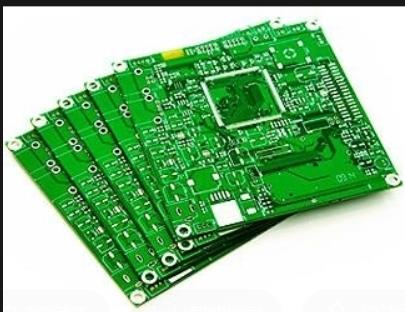
In consumer products, counterfeit parts can create battery charging faults, overheating, or electrical shorts. Even a simple power adapter can become unsafe if a fake controller fails during normal operation.
Some industries require the PCBA supplier to document the source of every safety-critical component. Without this evidence, the final product cannot receive certification or approval.
Safety Risks
Products containing counterfeit electronics can be dangerous. A short circuit caused by a fake power component can start a fire, while a failed medical device may give incorrect readings or stop working during treatment.
In automotive and aerospace systems, counterfeit parts can affect braking, engine control, navigation, or flight safety. The consequence of failure is much greater than the saving from a lower component price.
Regulatory and insurance implications also increase the cost of using counterfeit parts.
Counterfeit parts can also make it difficult for engineers to troubleshoot a design. If the component behavior does not match the datasheet, the real cause of a field failure may not be obvious.
Warranty and repair costs from counterfeit-related failures can be very high. The company may need to recall products, replace boards, and provide additional field support.
Performance and Efficiency Loss
Even when counterfeit parts do not cause a safety incident, they can degrade performance. A device may run slower, consume more power, produce more noise, or fail after a shorter service life.
Customers who experience these problems may return products, lose trust, or choose a different supplier. The financial damage to the brand can be much larger than the component cost.
Performance loss may also appear only in specific operating conditions, making it difficult to diagnose.
Shortages and allocation periods increase the counterfeit risk because buyers become willing to accept components from unfamiliar sources. A responsible PCBA factory should resist this pressure and follow its approved sourcing process.
How Counterfeit Parts Enter the Supply Chain
Counterfeit parts often come from unauthorized brokers, online marketplaces, or suppliers that do not have direct authorization from the original manufacturer.
Some parts are recycled from used boards and relabeled as new. Others are overproduced without authorization, rejected by the original buyer and sold through informal channels, or marked with fake logos and date codes.
When the PCB assembly supplier buys from the lowest-cost source without verification, counterfeit material can enter the production line.
The approved supplier list should be reviewed regularly. If a distributor changes ownership or its authorization status changes, the factory should re-qualify that source before continuing to purchase from it.
Component verification should also include the purchasing department. Buyers should confirm that the price, lead time, and minimum order quantity are consistent with an authorized distributor and flag unusually low prices for extra review.
Supplier Control Is the First Defense
Buy components only from authorized distributors, original manufacturers, or qualified suppliers with traceable purchasing history. The supplier should be able to provide certificates and lot-level documentation.
The PCBA factory should maintain an approved supplier list and update it when distribution channels change. Purchases outside the approved list should require extra inspection.
Using the customer’s preferred suppliers where possible also reduces risk because the customer may already know the source quality.
Inspectors should be trained to recognize subtle differences in markings, package dimensions, and surface texture. They should also compare suspect parts with known good reference samples whenever possible.
Multiple lots from different suppliers should never be mixed before verification. Mixing makes it difficult to trace a failure to its source and may hide counterfeit parts among legitimate stock.
Incoming Inspection for Counterfeit Parts
Incoming inspection can detect many counterfeit parts before they are assembled. The first check is visual: markings, font, package, date code, and surface finish should match the original manufacturer’s style.
Dimensional checks can confirm that the package is correct, while X-ray can reveal internal die and bond wire differences. Electrical tests can verify basic parameters.
Decapsulation may be used for high-risk ICs to inspect the die and identify the true origin.
The inspection method should be chosen according to the component risk. A generic resistor may only need visual review, while a safety-critical microcontroller may require X-ray and electrical verification.
X-Ray and Decapsulation Testing
X-ray inspection is useful for comparing the internal structure of a suspect component with a known good part. Differences in die size, bond wires, or lead frame can indicate a counterfeit.
Decapsulation removes the plastic package so the die can be examined under a microscope. This method is destructive and is normally reserved for high-risk or high-value components.
Electrical tests may also reveal counterfeit parts that do not meet timing, voltage, or current specifications.
The factory should also store supplier certificates and inspection images for a period that covers the expected product warranty. If a component is found to be counterfeit later, this evidence supports the claim against the supplier.
If a counterfeit part is found in an existing stock location, the entire affected lot should be quarantined. The factory should then determine which production orders may have used the lot before it is released again.
Traceability and Documentation
Every component lot should be traceable to the supplier, purchase order, date code, and inspection result. This traceability is essential when a counterfeit part is discovered after assembly.
The PCBA manufacturer should record which lot was used in which production order so affected boards can be identified quickly.
Customer audits and compliance reviews are easier when the supplier can show complete material documentation.
Testing should include worst-case operating conditions where possible. A counterfeit part may pass a normal test but fail at high temperature, high load, or low supply voltage.
Functional test records should include enough detail to detect a counterfeit component. If a test only checks power-on status, a fake IC may pass even when its communication or timing behavior is wrong.
Testing after Assembly
Functional and electrical testing after assembly can catch some counterfeit parts that pass incoming inspection. A fake IC may not respond correctly to the test program or may fail under load.
Burn-in or environmental testing can expose early failures caused by low-quality internal silicon.
Test data should be recorded by serial number so a counterfeit-related failure can be traced to the exact board and component lot.
Customers can also reduce risk by limiting the number of sources for critical components. When a part is purchased from one trusted channel, the quality history is easier to maintain.
Working with a Reliable PCBA Partner
Customers should ask how the PCBA factory qualifies component suppliers and what inspection is performed for counterfeit prevention. A supplier with an established quality system will have a documented procedure.
For high-reliability projects, the customer may also specify that certain components must be purchased from an authorized distributor only.
A full-service partner can combine component procurement, SMT PCB assembly, and PCBA testing under one quality management plan.
Prevention is more effective than detection. By choosing authorized sources, maintaining approved supplier lists, and documenting every lot, the risk of counterfeit components can be greatly reduced.
Customer specifications should also require authorized sourcing when counterfeit risk is high. This gives the PCBA factory clear authority to avoid suspicious low-cost suppliers.
Regular supplier audits and component testing keep the quality system effective even as distribution channels change.
Even a single counterfeit component can turn a well-designed product into an unreliable one. Prevention must be built into every sourcing and assembly decision.
Conclusion
Counterfeit components in PCBA can reduce reliability, create safety hazards, and damage customer trust. Prevention requires sourcing from authorized channels, inspecting incoming material, testing assembled boards, and maintaining complete traceability.
By working with a disciplined electronics manufacturer, customers can reduce the risk of counterfeit parts and protect their products from hidden failure.