Smart Meter PCB Cost Guide: 2025 Price Breakdown
Pricing the Meter That Reads Itself
Smart meters are among the most cost-sensitive electronics in the energy industry, because their price directly affects nationwide deployment budgets, remote monitoring economics and long-term maintenance costs. The smart meter pcb inside each unit performs metering, wireless data transmission, remote reading and billing-accuracy analysis, which makes its cost structure a strategic number for utilities and manufacturers alike. This guide breaks down what a smart meter pcb costs in 2025, why prices differ between designs, and how to optimize spending without compromising the measurement accuracy that billing depends on.
What Drives Smart Meter PCB Cost
No single factor sets the price of a smart meter pcb. Functional requirements come first: a basic meter with local display and current sensing costs far less than an advanced unit with wireless transmission, tamper detection, remote disconnect and load-profile analysis. Metering accuracy class matters next, because revenue-grade measurement demands precision current sensors, low-temperature-drift resistors and careful analog layout. Environmental reliability adds cost for outdoor cabinets exposed to humidity, salt spray and heat, and the wireless standard chosen, whether NB-IoT, LoRa, ZigBee, PLC or Wi-Fi, changes module expense. Safety and compliance features such as encryption chips, tamper protection and surge clamping round out the picture, which is why smart meter pcb pricing is highly application-specific.
Materials and the Outdoor Environment
Material selection can shift total project cost by as much as 30 percent. Standard FR-4 handles most indoor and utility-room deployments economically. High-Tg FR-4 improves stability above 150 degrees Celsius for hot climates and direct-sun installations, adding roughly USD 0.10-0.25 per board. Low-loss materials improve sub-GHz antenna efficiency for RF-enabled meters but raise material cost 10-18 percent. Coastal and high-humidity deployments should add conformal coating or silicone encapsulation at USD 0.15-0.50 per board, because moisture drives measurement drift and corrosion in outdoor meter boxes.
Layer Count and Stack-Up
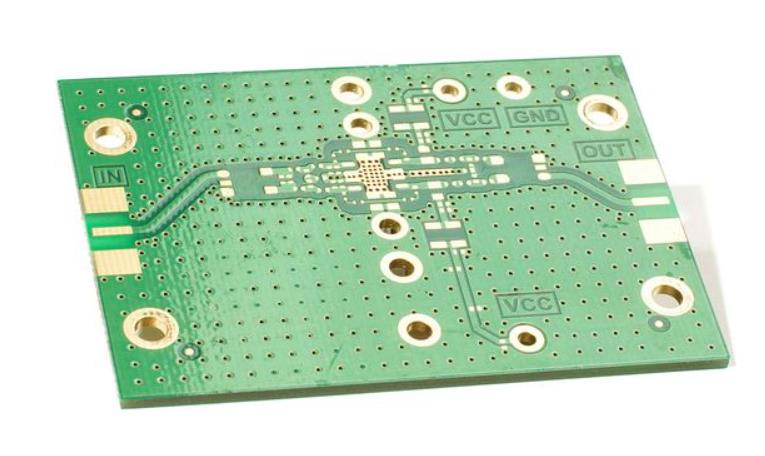
More layers mean cleaner power delivery and better isolation for sensitive analog metering circuits, and a predictable price ladder. Two-layer smart meter pcb designs typically cost USD 0.35-0.85 per board, four-layer boards, the mainstream choice for reliable metering with wireless modules, run USD 0.65-1.80, and six-layer RF-optimized stacks land at USD 1.80-3.50. The extra planes in four- and six-layer boards keep switching noise from the radio and processor away from the precision current and voltage sensing paths, which directly protects billing accuracy. For most production meters the four-layer board is the practical sweet spot between cost and performance.
Components and BOM Cost
The bill of materials typically contributes USD 3-9 per meter, and a few items dominate. The microcontroller sets the processing and security baseline, the wireless module is often the single most expensive subsystem, and tamper-detection ICs, current-sampling components and precision references add up quickly. Choosing an MCU with integrated metrology support can remove external parts, and selecting modules that are already certified for the target region reduces both BOM price and compliance risk. Early component engineering is the highest-leverage way to lower smart meter pcb assembly cost without touching the board’s physical price.
Surface Finish and PCB Assembly
Surface finish matters more for smart meters than for indoor consumer boards because of the outdoor duty. OSP is the low-cost option with limited oxidation resistance, HASL offers moderate cost with reliable soldering, and ENIG adds USD 0.10-0.30 per board for corrosion resistance and stable contacts, which suits meters deployed for a decade or more. Assembly quality is equally critical: SMT assembly handles the fine-pitch processor and module, while connectors and terminal blocks often require through-hole or selective soldering. Mixed-technology assembly is standard for meter boards and favors a supplier that manages both processes cleanly.
Testing, Calibration and Quality Control
A smart meter is a measuring instrument, so production testing goes beyond ordinary ICT. In-circuit testing verifies assembly, communication testing confirms the wireless or PLC link, metering calibration checks voltage and current accuracy against standards, and burn-in or aging screens catch early failures. These steps add roughly USD 0.15-0.80 per board, a small price for the confidence that every deployed meter bills correctly. Working with a partner that provides structured PCBA testing and documented calibration protects both revenue accuracy and regulatory standing.
Volume Economics and Regional Pricing
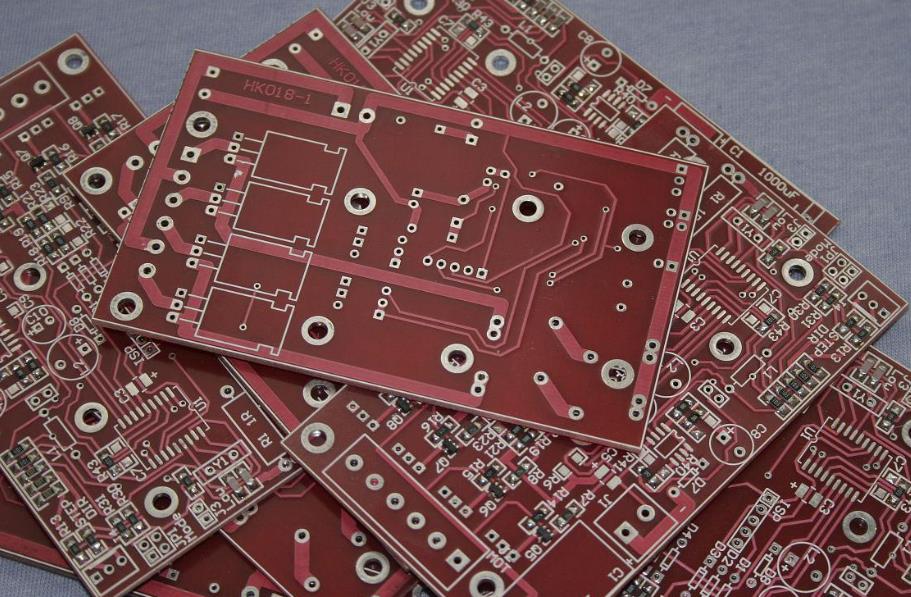
Smart meter pcb price depends heavily on quantity. Small runs around 100 boards typically cost USD 2.50-6.00 per board, while orders above 10,000 boards fall to USD 0.90-2.80 as tooling and setup amortize across the run. Region also moves the number: Chinese manufacturing consistently delivers USD 0.45-2.80 per board with mature supply chains, US production runs USD 1.80-6.50 with stronger IP protection and closer engineering support, and European manufacturing spans USD 2.50-7.50 with high-quality control but longer lead times. For nationwide smart meter rollouts, Asian volume manufacturing remains the most cost-effective path for most utilities.
Certification and Compliance Cost
Certification typically adds 5-12 percent to per-unit cost because meters must meet regional regulations. CE and FCC cover radio emissions, RoHS governs materials, ISO quality systems satisfy procurement requirements, and national electricity regulations often impose additional metrology and safety tests. EMC requirements are stricter in Europe and Japan, which can require design adjustments and extra testing rounds. Budgeting for certification from the start avoids the expensive surprise of a compliant board failing the final regional approval.
Customization Options and Their Cost
Utilities frequently add options that extend the board price by USD 0.20-1.50: tamper-evident grid routing, moisture-proof conformal coating, IP-rated sealing, and surge-protection zones for lightning-prone regions. These features are cheap at the board level but decisive for field reliability. The way to keep customization affordable is to design them in from the beginning rather than retrofitting, because a tamper-detection layout added after layout freeze costs far more than one planned into the original floorplan.
Reducing Smart Meter PCB Cost Without Cutting Corners
Cost reduction here means engineering discipline, not skimping on quality. Standardize the BOM across meter variants so volume buying power applies, avoid unnecessary blind and buried vias, invest in good antenna layout so a cheaper module can meet range targets, and reduce component diversity through rational layout. Suppliers who have built meters at scale report that well-executed design reviews reduce lifetime cost by 8-20 percent while improving yield. Combine that with consolidated ordering through a partner that offers components procurement and volume pricing, and the per-board number drops without touching accuracy.
Choosing a Smart Meter PCB Manufacturer
Select a supplier that understands metering, not just board fabrication. Ask about their experience with revenue-grade analog design, RF modules, mixed-technology assembly and metrology calibration, and confirm their quality system matches utility procurement requirements. Look for documented test coverage, material traceability, and the ability to scale from certified samples to millions of boards. A full-service partner combining PCB manufacturing, PCB assembly and testing under one roof keeps deployment schedules predictable and accountability clear.
Smart Meter PCB FAQ
Q1: What is a typical smart meter PCB price? Boards range from USD 0.90-3.50 depending on layers and features, with volume builds of 10,000-plus from USD 0.90-2.80.
Q2: Is outdoor protection necessary? Yes, for exposed meters; moisture drives measurement drift, so conformal coating is strongly recommended for humid regions.
Q3: Do certifications raise the price? They add roughly 5-12 percent, with EMC testing and design adjustments the main cost drivers in strict regions.
Q4: Does antenna design affect cost? Yes, disciplined RF layout can let a lower-cost module meet range targets, while poor layout forces pricier radios or extra retesting.
Q5: How long does development take? With a finished design, prototypes usually ship in one to two weeks and production qualification with calibration adds several more weeks.
Conclusion
The smart meter pcb balances measurement accuracy, wireless connectivity and outdoor reliability against a price that utilities multiply across millions of units. Layer count, material grade, BOM choices, testing depth and order volume each move the number, and understanding those levers lets buyers fund genuine metering quality instead of unnecessary specification. With a manufacturing partner that treats accuracy and traceability as requirements, smart meter programs deploy boards that bill correctly for decades.