Servo PCB Cost Guide: 2026 Multilayer Motor Control Pricing
What a Servo Control Board Costs in 2026
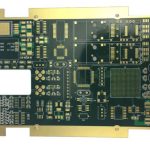
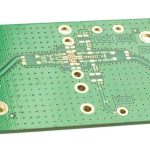
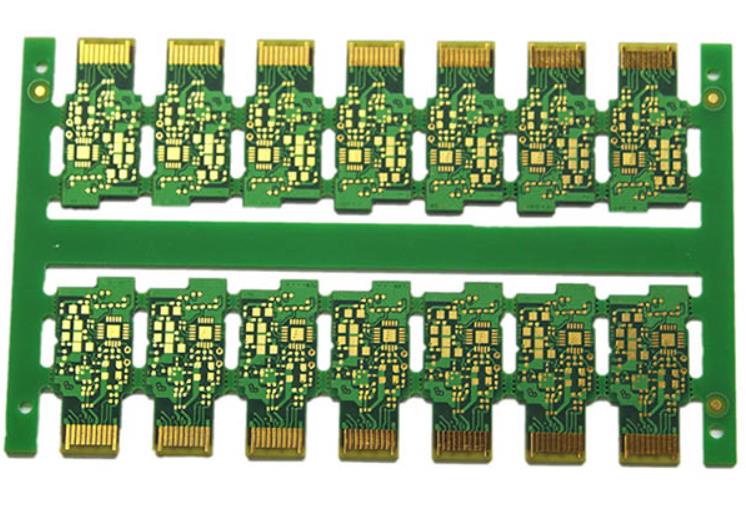
Servo drives power the motion systems of industrial automation, robotics, CNC machines, packaging equipment, semiconductor tools and smart manufacturing, and each drive depends on a carefully built servo pcb. A servo multilayer PCB carries control signals, power distribution, high-speed communication, encoder feedback and power drive functions on the same board, so its electrical, thermal, EMI and reliability demands are far above consumer electronics. This guide explains 2026 pricing for servo PCBs, what moves the price from two dollars to fifty dollars and beyond, and how to control cost while keeping motion systems reliable.
2026 Price Reference for Servo PCBs
There is no single price for a servo pcb, because layer count, material, size, finish, impedance and testing all change the quote. As a working reference for 2026, four-layer standard servo boards run about USD 2-8 per board in volume, six-layer boards USD 3-12, eight-layer boards USD 5-20, and ten-layer boards USD 8-30. High-Tg versions run USD 5-25, thick copper designs USD 8-40 and up, and HDI servo boards USD 15-50 and above. Small prototype batches cost far more, typically USD 30-150 or more per board, because engineering, tooling, material and test overhead is spread across few pieces. A six-layer FR-4 board with 1 oz copper and standard finish ordered in volumes above one thousand pieces sits at the low end, while the same layer count with high-Tg material, 2 oz copper, ENIG, controlled impedance and BGA packaging climbs quickly.
Layer Count Decisions
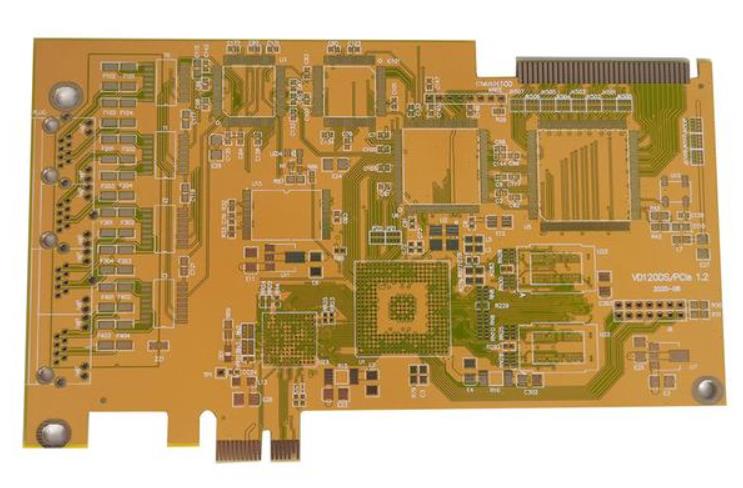
Layer count is the first cost lever and the first technical decision. Four-layer servo boards, with components and signals on top, a ground plane, power or signal layers and a bottom layer, suit simpler controllers and deliver better power integrity, grounding, EMI behavior, signal integrity and routing space than two layers at modest cost. Six layers are the most common structure in industrial servo drives because they add independent planes for high-speed routing, analog and digital separation, power and control isolation, EMI optimization and clean return paths. Eight and ten layer designs appear in high-performance drives with dense logic, multiple isolated domains and stricter EMC, while still higher counts and HDI structures are reserved for compact, high-density servo electronics where nothing simpler fits.
Materials That Survive Servo Duty
Material choice follows the electrical and thermal environment around a servo drive. Standard FR-4 serves many cost-sensitive industrial controls, but high-Tg FR-4 is common in servo PCBs because drives run warm for years and Tg-rated material holds dimensional and electrical stability through thermal cycling. Low-loss or high-frequency laminates appear only where fast communication or special signal integrity demands them. Polyimide-based or special substrates are reserved for flex and rigid-flex servo cable-replacement designs. Reviewing the real temperature, voltage and signal requirements before choosing material prevents both overspend on exotic laminates and field failures from marginal FR-4.
Copper, Vias and Finish
Servo boards frequently mix signal-level and power-level copper on one panel. 1 oz copper covers most logic and communication circuits, while motor drive, brake and supply paths often need 2 oz or more to carry current and spread heat, and thick copper raises etching, plating and cost. Via structure matters as well: standard plated vias serve most nets, blind and buried vias appear in dense designs, and HDI microvias or via-in-pad are used only when BGA fanout and density require them. Surface finish follows packaging and reliability: ENIG gives the flat, solderable surface that fine-pitch and BGA devices need, while HASL or lead-free HASL keeps cost down where pads are large enough, and ENEPIG or immersion finishes serve specific high-reliability needs.
Design Considerations for Servo Boards
Servo drive layout is a discipline of separation. Power switching stages, gate drive circuits, control logic, analog current and voltage sensing, encoder feedback and fieldbus communication must be partitioned so switching noise does not corrupt measurements or links. High-speed encoder and Ethernet or EtherCAT traces need controlled impedance and clean reference planes. Analog sensing paths need guarded, filtered routing, and the power section needs low-inductance gate drive paths and thermal relief. Grounding is typically split by domain and stitched at defined points, and shielding or filtering is added where radiated emissions threaten certification. These choices belong in the stack-up and layout review before fabrication, because a servo board with marginal noise margins will fail in a machine that vibrates and switches all day.
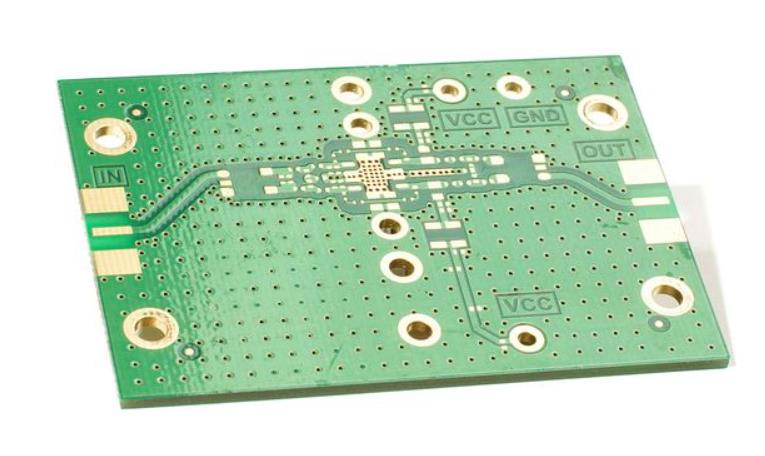
Testing and Reliability
A servo pcb earns its price in test and traceability. AOI finds placement and soldering defects, X-ray verifies BGA and hidden joints, flying probe or ICT checks the assembled network, and functional test proves current sensing, gate drive, communication and protection behavior under operating conditions. Industrial servo products also need burn-in or thermal cycling evidence where reliability targets demand it, plus full material traceability for field failure analysis. Every test level adds cost, but for motion control, a field failure stops a production line, so the investment is usually repaid quickly.
How to Reduce Servo PCB Cost
Cost reduction follows a repeatable order. Right-size the layer count to real EMC and routing needs instead of defaulting to the thickest stack. Keep high-Tg or low-loss materials on the areas that need them, use standard finish unless fine pitch demands ENIG, and avoid thick copper on signal layers that carry no current. Optimize panel utilization for volume, design via structures to the density actually required, and freeze the stack-up and files before quoting so engineering does not repeat. Work with a partner that provides PCB manufacturing and SMT assembly with PCBA testing, so DFM, materials and test planning happen before production instead of after a failed batch.
Choosing a Servo PCB Supplier
Selection should verify industrial-grade experience rather than generic capability. Confirm controlled impedance and high-Tg material experience, multilayer stack-up control from four to ten layers or more, thick copper handling for power paths and honest test capability. Ask about documented servo, drive or power electronics projects, and verify that prototype and volume runs use the same process. A supplier that reviews the design with PCB design and layout engineering support and can carry the board through assembly and functional test under one quality system removes the coordination risk that delays motion control programs.
Servo PCB FAQ
Q1: How much does a servo pcb cost in 2026? Volume pricing runs about USD 2-8 for four-layer boards, USD 3-12 for six layers and USD 8-30 for ten layers, with HDI designs from USD 15-50 and prototypes USD 30-150 or more.
Q2: Which layer count is typical for servo drives? Six layers are the most common structure in industrial drives, with four layers for simple controllers and eight to ten for high-performance designs.
Q3: Why do servo boards cost more than consumer PCBs? They combine control, power, communication and feedback circuits with tighter EMI, thermal and reliability requirements.
Q4: What finish should a servo board use? ENIG for fine-pitch and BGA designs, with HASL or lead-free HASL as the economical option where pads allow.
Conclusion
The servo pcb is the precision backbone of modern motion control, and its price reflects real engineering: layer count, high-Tg materials, copper, via structure, finish and testing all shape the quote. The cheapest board is rarely the cheapest product, because a drive that fails on the line costs far more than the fabrication saving. By right-sizing the stack-up, partitioning power and signal correctly and testing honestly with an experienced manufacturer, servo OEMs get motion electronics that perform predictably for years.