Gateway PCB Cost: 4-Layer vs 6-Layer Comparison Guide
Picking the Right Layer Count
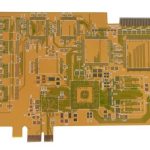
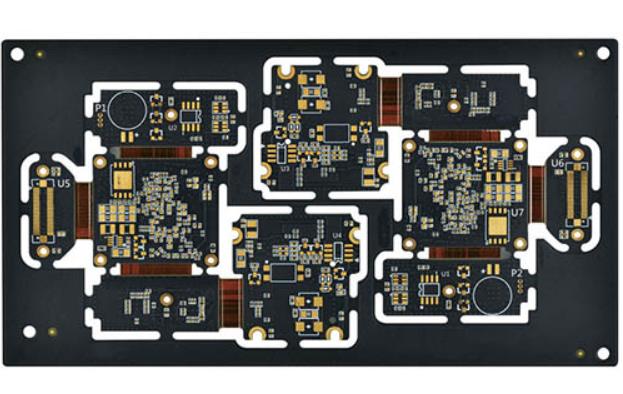
Gateways sit between networks, translating between sensors, devices and the cloud, and the gateway pcb inside them must juggle processors, radios, Ethernet, memory and power in one product. Layer count is the most visible cost and performance decision in gateway hardware: a four-layer board is cheaper, while a six-layer board offers more routing space, better planes and cleaner high-speed signals. The question every hardware team asks is whether the extra cost of six layers is worth it. This guide compares 4-layer and 6-layer gateway PCBs, gives 2026 price references by quantity, and explains exactly when the upgrade pays for itself.
What a Gateway PCB Carries
A gateway pcb integrates everything needed to connect different networks and protocols. Typical modules include an MCU or MPU processor, DDR memory, Ethernet PHY, USB interfaces, WiFi or Bluetooth modules, 4G or 5G communication modules, CAN and RS485 interfaces, power management, ADC and DAC circuits, high-speed differential signals and RF circuitry. Products range from IoT, industrial, wireless, smart home and edge computing gateways to Ethernet, 4G and 5G, WiFi, Bluetooth, LoRaWAN, CAN bus and industrial communication gateways. As gateway functions grow, routing density and signal integrity requirements push designers from four layers to six or more.
4-Layer vs 6-Layer Structure
The essential difference is the number of copper layers available for signals, power and reference planes. A typical four-layer gateway stack assigns layer one to components and high-speed signals, layer two to ground, layer three to power and signals, and layer four to signals and components. A six-layer stack can separate functions more cleanly, for example layer one for components and signals, layer two ground, layer three high-speed signals, layer four power, layer five ground and layer six signals and components. The real stack-up must be optimized for impedance, dielectric thickness, copper, signal rate, packaging, thermal design and density, not simply by adding two copper layers.
Capability Comparison
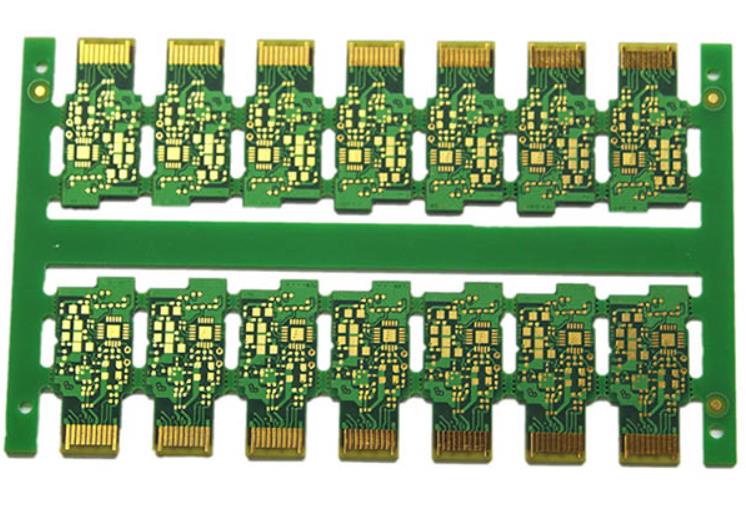
Four and six layer boards differ across every important axis. Manufacturing cost is lower for four layers and higher for six. Routing capability is moderate versus high. High-speed signal integrity is good versus better. EMI control is good versus easier to optimize. Ground plane design is limited versus flexible. Power distribution is moderate versus superior. BGA routing is relatively difficult versus easier, and high-speed interfaces range from moderate complexity to suited for complex designs. Design flexibility and manufacturing complexity follow the same pattern, so the choice should track the actual interface budget of the product.
2026 Price Comparison
For a standard 100 by 100 mm FR-4 gateway pcb with 1 oz copper and conventional processing, 2026 budget pricing looks like this. Four-layer boards: USD 8-30 each for five to ten prototypes, USD 4-10 at fifty pieces, USD 3-8 at one hundred, USD 2.50-6 at five hundred, USD 2-5 at one thousand and USD 1.50-4 above five thousand. Six-layer boards: USD 15-40 at five to ten pieces, USD 7-16 at fifty, USD 6-12 at one hundred, USD 5-10 at five hundred, USD 4-9 at one thousand and USD 3-7 above five thousand. In other words, moving to six layers adds roughly 30-80 percent at prototype quantities and about 40-70 percent in volume. HDI, blind and buried vias, ENIG, thick copper, high-Tg or low-loss material, strict impedance control or special testing will push both columns higher.
Why Six Layers Costs More
The premium is not just two extra sheets of copper. Six-layer lamination needs more core, foil and prepreg material with stricter interlayer registration, adding material cost, press time, alignment demand, labor and yield risk. More layers mean more drilling, more complex via structures and stricter hole position and plating control, and blind, buried or microvia options raise cost further. High-speed gateways with USB 3.x, Ethernet, PCIe, DDR, MIPI, SerDes or RF links require controlled impedance, and six layers make it easier to place high-speed signals next to complete reference planes, but impedance control adds fabrication and test requirements. The extra cost is therefore the price of real electrical capability.
Volume Economics
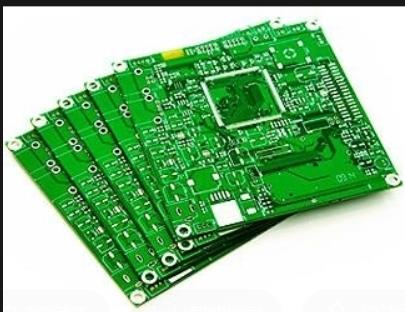
Quantity has the largest effect on per-board price. In the five to ten piece prototype stage, engineering fees, material setup and production preparation are spread over very few boards, which is why four-layer prototypes run USD 8-30 and six-layer USD 15-40. Around one hundred pieces the picture improves to USD 3-8 and USD 6-12 respectively. At one thousand pieces and above, factories optimize panel layout, cut per-unit engineering cost and raise efficiency, bringing standard FR-4 products down to USD 2-5 for four layers and USD 4-9 for six. Designers comparing layer options should evaluate at the production quantity, not at prototype price.
When Four Layers Is Enough
Many gateway products never need six layers. If the design contains only an MCU, Ethernet, RS485, CAN and a few low-speed interfaces, a well-laid four-layer board delivers solid grounding, adequate power integrity and good EMI at the lowest cost. Four layers also keep the project simpler to manufacture and easier to qualify. Choosing four layers when the interface budget is genuinely low is not a compromise; it is sound engineering and the fastest way to control a gateway BOM.
When Six Layers Wins
Six layers earns its premium when the data path is demanding. Products with DDR memory, multiple Ethernet ports, USB 3.x, PCIe, 5G, WiFi with many simultaneous links or dense BGA devices need the extra routing space, dedicated planes and impedance-friendly stack-up that six layers provide. High-density BGA fanout is dramatically easier with additional signal layers and complete reference planes, and separating high-speed, analog, digital and power domains prevents the noise coupling that plagues dense gateways. If the roadmap already includes these interfaces, starting with six layers is cheaper than re-spinning a four-layer design later.
Prototype-first development also protects the layer decision. A small batch on the intended production stack lets teams measure real signal integrity, EMI and thermal behavior instead of guessing from datasheets. Gateways that will run near radios or in industrial cabinets benefit from an EMC pre-check on actual hardware, because a four-layer board that fails emissions may still be salvageable with layout changes, while a six-layer redesign discovered late wastes months. Planning the prototype quantity and test scope before quoting keeps both the layer choice and the budget honest.
Choosing a Gateway PCB Supplier
Gateway boards combine high-speed digital, RF and power, so supplier selection should verify controlled impedance capability, multilayer stack-up control, experience with BGA and fine-pitch assembly and honest electrical test. Ask for impedance reports from real builds and confirm the factory can support PCB manufacturing through SMT assembly with PCBA testing, so board, assembly and test stay under one quality system. Early DFM and stack-up review with PCB design and layout support prevents the impedance and routing surprises that delay gateway launches.
Gateway PCB FAQ
Q1: How much does a gateway pcb cost? Four-layer boards run about USD 1.50-30 per board depending on quantity, and six-layer boards USD 3-40, with standard FR-4 and conventional features assumed.
Q2: Does six layers always cost 50 percent more? In volume the premium is typically 40-70 percent over four layers; prototypes can be 30-80 percent higher.
Q3: When is four layers enough? When the gateway uses MCU, Ethernet, RS485 and CAN level interfaces without DDR, PCIe or dense high-speed links.
Q4: Do gateways need HDI? Only when routing density demands microvias and via-in-pad; most gateways work with conventional through-hole multilayer construction.
Conclusion
The gateway pcb layer decision comes down to the interface budget and the quantity you will build. Four layers serve simple industrial and IoT gateways economically, and six layers justify their 40-70 percent premium when DDR, high-speed Ethernet, PCIe, 5G, dense BGA or strict signal integrity are in the design. By comparing prices at production volume and reviewing stack-up and impedance with the manufacturer early, gateway teams get the right board at the right cost.