Lead-Free HASL PCB: 2026 Cost, Process and Selection Guide
Lead-Free HASL PCB Cost in 2026
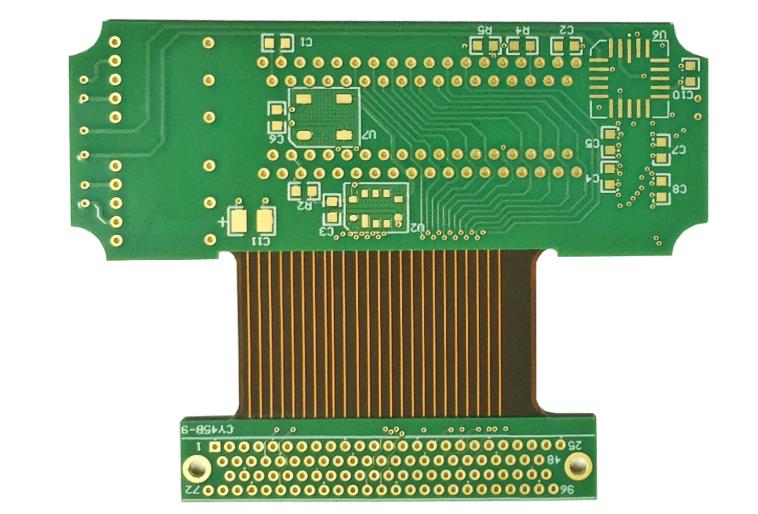
A lead free hasl pcb uses hot air solder leveling with a lead-free solder system, typically a tin-based alloy with silver and copper additions, to coat exposed copper pads after the circuit and solder mask are finished. The board is dipped into molten solder and hot air knives blow off the excess, leaving a solderable finish layer. Lead-free HASL delivers good solderability, mature manufacturing, relatively low cost and support for through-hole and SMT hybrid assembly, which is why it remains one of the most widely used PCB surface finishes for consumer electronics, industrial control, power supplies, automotive hardware and mixed assembly products. In 2026 the manufacturing price of ordinary lead-free HASL boards ranges from about USD 0.10 to USD 5.00 per board, with size, layers, thickness, copper weight, material, quantity, feature size, impedance and test requirements moving the actual number.
How Lead-Free HASL Is Made
HASL means hot air solder leveling. Traditional HASL uses a leaded tin alloy, while lead-free HASL replaces it with a lead-free solder system so the product can meet lead-free manufacturing and environmental rules. After the PCB completes imaging, etching and solder mask, the exposed copper pads are dipped into molten lead-free solder, then heated air knives level the coating and clear the holes. The process is well established, works on large pad and through-hole designs, and produces strong, reliable solder joints. The main trade-off is surface flatness, because the solder coating is not perfectly even across the board.
2026 Price Ranges by Layer Count
Two-layer lead-free HASL boards are the most economical. In 2026 small runs of five to twenty pieces run about USD 2.00-5.00 per board, one hundred pieces about USD 0.50-1.50, five hundred about USD 0.20-0.80, and one thousand or more USD 0.10-0.50. Four-layer boards cost about USD 1.00-3.00 at one hundred to five hundred pieces and USD 0.30-1.00 above one thousand. Six-layer boards run USD 2.00-5.00 at one hundred pieces, USD 1.00-3.00 at five hundred and USD 0.60-2.00 at one thousand or more. These are reference bands for standard FR-4 material with conventional features; high-Tg material, 2 oz copper, impedance control, blind and buried vias or HDI structures can push a board to several dollars regardless of finish.
Cost Structure Behind the Finish
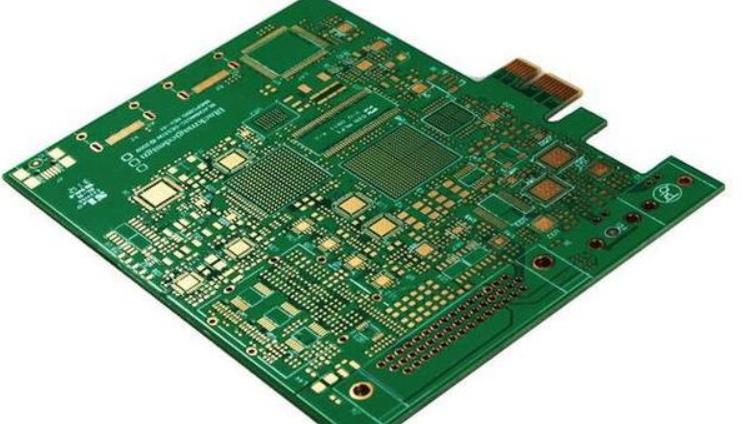
Lead-free HASL is only one line in the manufacturing cost. Board price is built from material, layer count, size, copper weight, drilling, imaging, lamination, solder mask, silkscreen, finish, testing and panel utilization. A simple 100 by 100 mm two-layer FR-4 board with 1.6 mm thickness, 1 oz copper, green mask, white silkscreen and standard through-holes is cheap in volume, while a six-layer, high-Tg, 2 oz, impedance-controlled design with special hole structures costs far more even with the same finish. Quote comparisons should always carry the full technical specification, not just the surface finish name.
Prototype vs Production Economics
Small batches carry fixed engineering, setup, tooling and test cost across very few boards, which is why samples of an ordinary two-layer lead-free HASL board reach USD 2-5 each while the same board costs USD 0.10-0.50 above one thousand pieces. Buyers reduce unit cost by consolidating orders to monthly or quarterly demand and freezing the design so CAM and tooling work is not repeated. For budget planning, a typical four-layer 100 by 100 mm FR-4 board at one thousand pieces can be estimated at USD 0.50-1.20 each, putting a thousand-board bare-board order around USD 500-1,200 before engineering fees, special tests, shipping, taxes and expedite charges.
Lead-Free HASL vs ENIG vs OSP
Lead-free HASL is generally cheaper than ENIG because it skips the electroless nickel and immersion gold baths, and its cost is usually below immersion finishes for ordinary boards. Compared with traditional leaded HASL, lead-free HASL can cost slightly more because the lead-free solder system and some process steps are more expensive, though the gap depends on the alloy, supplier, quantity and raw material prices. ENIG earns its premium where flat pads matter, such as fine-pitch BGA, high-density designs and high-reliability products. OSP is another flat, low-cost alternative, but it needs tighter storage control. The right choice depends on the pad pitch, assembly process and reliability target.
Is Lead-Free HASL Right for Your Board?
Lead-free HASL is worth considering when the project is cost sensitive, uses standard FR-4, runs conventional SMT with many through-hole parts, has reasonably large pads and does not demand extreme surface flatness, and the product must meet lead-free requirements at medium to high volume. It is a proven workhorse for LED control boards, power supplies, industrial control, IoT devices, consumer electronics, small controllers and automotive auxiliary electronics. If the design uses very small pads, ultra-fine-pitch BGA or demands very high pad flatness, ENIG or another flat finish deserves a fresh evaluation, because uneven HASL coating can disturb fine-pitch solder paste printing.
Getting an Accurate Quote
For an accurate lead-free HASL price, send the factory the Gerber files, drill files, board size, layer count, thickness, copper weight, material grade, solder mask and silkscreen colors, finish, quantity, test requirements and delivery target. High-speed, high-density or complex boards should also include impedance requirements, stack-up, BGA pitch, minimum trace and space, blind and buried via needs, HDI requirements, UL certification and special reliability demands. Complete data lets the manufacturer price the panel layout and process steps quickly, while vague inquiries always return a wide range.
Choosing a Lead-Free HASL PCB Supplier
Because lead-free HASL appears on cost-sensitive boards, supplier stability matters as much as unit price. Confirm the factory runs a controlled lead-free solder process with consistent coating, verifies solderability and hole fill, performs AOI and electrical test, and can move cleanly from prototype to volume. A partner that combines PCB manufacturing with SMT assembly can validate the finish against real placement and reflow, and PCBA testing closes the loop on joint reliability.
Lead-Free HASL FAQ
Q1: Is lead-free HASL more expensive than traditional HASL? Usually slightly, because the lead-free alloy and related process cost more, though the difference depends on alloy, factory, quantity and market prices.
Q2: Is lead-free HASL cheaper than ENIG? Generally yes, because it avoids electroless nickel and immersion gold processing.
Q3: Can lead-free HASL be used for SMT? Yes, in most SMT applications, but very fine-pitch parts need a flatness review because HASL coating is less even than ENIG or OSP.
Q4: How much does a two-layer lead-free HASL PCB cost? In volume about USD 0.10-1.50 each, with small-batch samples around USD 2-5 or more.
Q5: What is the difference between HASL and lead-free HASL? Traditional HASL uses leaded solder while lead-free HASL uses a lead-free system, suiting RoHS and lead-free manufacturing requirements.
Planning Volume Orders
Volume buying changes the economics of lead-free HASL boards in two ways. First, fixed costs such as CAM engineering, solder dipping setup and test preparation spread across more panels, pulling the per-board price toward the material and processing floor. Second, larger orders let the factory optimize panel layout so more boards fit each production panel, which lowers scrap and handling cost per piece. Teams that freeze the design, combine orders by quarter and share rolling forecasts with the supplier get both benefits at once. Even a small improvement in panel utilization can matter more to the final cost than the difference between HASL and another finish.
Conclusion
Lead-free HASL remains one of the most economical and dependable PCB finishes for ordinary electronics, bridging cost, solderability and reliability across consumer, industrial and power products. In 2026 boards range from about USD 0.10 to USD 5.00 each depending on layers, quantity and complexity, with two-layer FR-4 designs at the low end. For boards that do not need ultra-flat pads, lead-free HASL is a solid default finish.