Membrane Switch Panel PCB: 2026 Cost and Design Guide
Membrane Switch Panel PCB Cost in 2026
A membrane switch panel pcb is the printed circuit layer inside a membrane switch, the flat, sealed control surface used on appliances, medical devices, industrial equipment, instrumentation and consumer products. Unlike a conventional rigid PCB, the membrane switch circuit is printed on thin flexible polyester film with conductive silver or copper inks, layered with spacers and a graphic overlay to create tactile keys, and it typically ends in a flexible tail that connects to a main board. In 2026 the price of a membrane switch panel ranges widely, from roughly USD 1-15 for simple small designs in volume to USD 30 or more for custom panels with backlighting, embossing, shielding and complex circuitry, with tooling, artwork, size, key count and quantity dominating the quote.
How a Membrane Switch Is Built
A typical membrane switch stacks several layers: the graphic overlay that the user sees and touches, an upper circuit layer with printed traces and contact pads, a spacer layer with openings at each switch position, a lower circuit layer, and often a rigid or adhesive backing. Pressing a key pushes the top contact through the spacer opening onto the bottom contact, closing the circuit. The conductive pattern is usually printed with silver-loaded polymer ink on PET film, and the tail connects to the host PCB through a connector or soldered joint. Layer count, print resolution, key travel and sealing method all follow the product requirements.
Cost Drivers
Size is the first cost driver because material and printing scale with area. Key count and circuit complexity decide the number of print passes, the conductor density and the connector pin count. Tooling and artwork cost is significant for custom panels, including printing screens, die cutting and overlay graphics, and it amortizes over the order quantity. Options such as LED backlighting, tactile metal domes, embossed keys, EMI shielding, selective texturing and raised keypads each add process steps. The flexible tail length, connector type and whether the supplier also builds the mating rigid PCB affect the total program cost.
2026 Price References
For simple, small membrane switch panels with a handful of keys and modest print area, high-volume pricing can fall to about USD 1-5 per piece, while medium runs with more keys and standard options run USD 5-15. Custom panels with backlighting, domes, multiple print layers and shielding can reach USD 15-30 or more per piece at moderate quantities. Engineering and tooling charges apply separately on new designs, so the first-piece cost is always higher than the steady-state price. These are planning figures; an accurate quote needs the panel size, layer structure, options, quantity and connector specification.
Design Considerations
Design quality decides both cost and reliability. Keep the circuit layout printable by respecting minimum trace and space for silver ink, avoid overly dense routing on the thin film and plan the spacer openings so contact force is consistent across keys. Specify the film material and thickness for the environment, and account for flexing at the tail so traces do not crack after repeated bending. Graphic design must register with the circuit layer beneath, and backlight areas need defined light guides or window features. A design reviewed against the manufacturer process rules produces fewer prototypes and lower total cost.
Sealing and Durability
Membrane switches win on sealing because the graphic overlay and adhesives protect the circuit from dust, moisture and contaminants, which suits medical, food and industrial environments. Durability depends on materials and construction: dome switches give tactile feedback and a defined life, embossed or flat panels vary in feel, and the adhesive system must hold through temperature cycling and cleaning chemicals. If the product demands a sealed front panel, confirm the overlay, adhesive and tail-entry sealing with the supplier, and review expected actuation life against the intended switch cycle count before finalizing the stack.
Membrane Switch vs Mechanical Keypad
Compared with mechanical keypads and rubber dome assemblies, membrane switches are thinner, lighter, fully sealed and cheaper at volume, and they integrate graphics, backlighting and circuitry in one assembly. Mechanical switches offer stronger tactile feel, longer life per key and replaceability, but they add height, parts, assembly steps and sealing challenges. Many products combine technologies: a membrane front panel for sealing and graphics with discreet tactile domes or conductive switches underneath. The choice follows the application environment, expected actuations, design constraints and target cost rather than any universal preference.
Integration With Rigid PCB
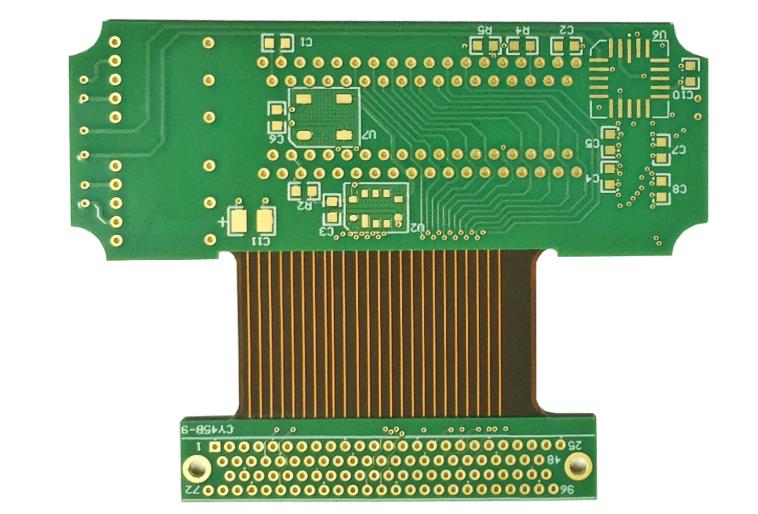
Most membrane switches terminate into a main PCB, so integration matters. The tail connector can be a low-profile FFC or FPC connector, a zero-insertion-force connector or a soldered joint, and its position and routing influence the main board layout. If the membrane switch supplier does not build the rigid PCB, coordinate connector footprint, pin assignment and mechanical mounting between vendors, or choose a partner that provides both the membrane assembly and the PCB manufacturing for the main board plus SMT assembly. Testing the membrane circuit with the real main board through PCBA testing catches contact resistance and noise problems before the product is sealed.
Prototyping and Tooling
Membrane switches need printing screens, die tools and overlay graphics, so prototyping early is cost-effective. Order a small batch to validate tactile force, electrical continuity, backlight brightness, sealing and tail routing, then freeze the artwork before committing to production tooling. Keep the artwork and tooling data versioned, because overlay graphics, circuit layout and spacer openings must change together. Working with one supplier from artwork review through volume keeps the register between layers consistent and avoids finger-pointing when a cosmetic or electrical issue appears.
Quality Checks Before Shipment
Electrical testing of a membrane switch is different from testing a rigid PCB because the circuit is printed silver on film. Suppliers should verify continuity and contact resistance at every key position, check open and short conditions across the tail, and measure actuation force on sampled switches. Visual inspection confirms print quality, layer registration, spacer alignment and graphic finish, and environmental sampling checks performance after temperature and humidity exposure when the application demands it. Defining these checks in the specification keeps the supplier accountable for the feel and reliability of every panel.
Membrane Switch FAQ
Q1: How much does a membrane switch panel cost in 2026? Simple high-volume panels run about USD 1-5, typical custom panels USD 5-15, and complex backlit or shielded versions USD 15-30 or more, plus tooling.
Q2: What drives membrane switch price? Panel size, key count, print complexity, options such as backlighting and domes, tooling amortization and order quantity.
Q3: Are membrane switches durable? Yes, they are sealed against dust and moisture, and life depends on materials, dome choice and actuation cycles.
Q4: When should a mechanical keypad be used instead? When strong tactile feel, per-key longevity or replaceability matters more than thinness, sealing and low cost.
Q5: Does the membrane tail need a connector on the main PCB? Most designs use an FFC or FPC connector or soldered joint; the footprint must match the tail specification.
Conclusion
A membrane switch panel pcb is a flexible printed circuit system, overlay and sealing solution in one, priced by size, key count, options and volume with tooling on top. Design for printability, prototype before tooling, and coordinate the tail with the main board and assembly supplier, and the result is a clean, sealed, cost-effective control surface for almost any product.