Design Deliverables From a Turnkey Development Project
When a customer asks a development company to build a product, one of the first questions is what will actually be handed over at the end. The answer decides whether the product can be manufactured independently, whether it can be developed further, and whether the intellectual property really sits with the business that paid for it. Our position is that the design deliverables form a complete set, rather than a working sample with the files retained.
Hardware Design Files
The schematic is supplied as an editable source file in one of the mainstream formats, together with a PDF version for reading and reviewing and a bill of materials carrying the reference designator, the part number, the package, the quantity and the specification of each item. The reasoning behind the selection of the key devices is written down, along with the alternatives that were considered, and the power architecture is described with the relationship between the rails and their parameters.
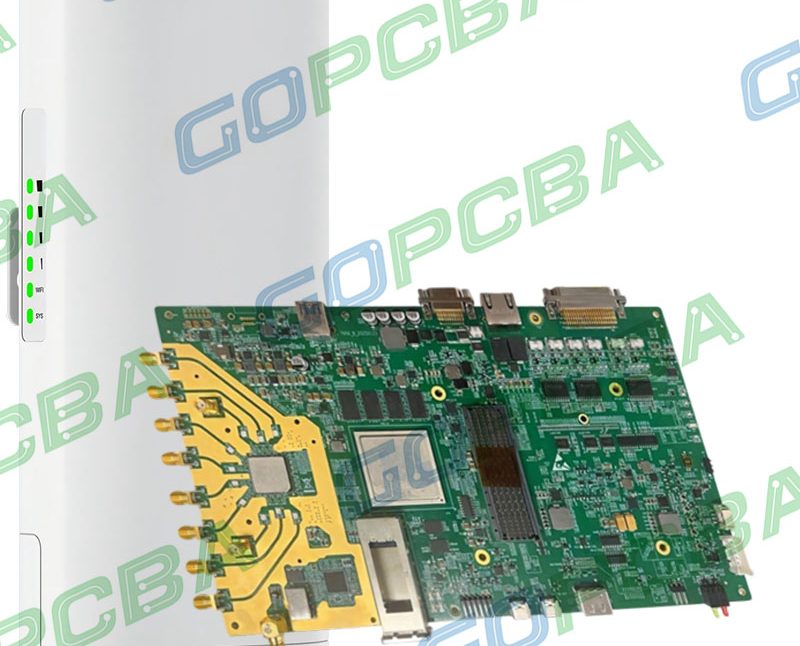
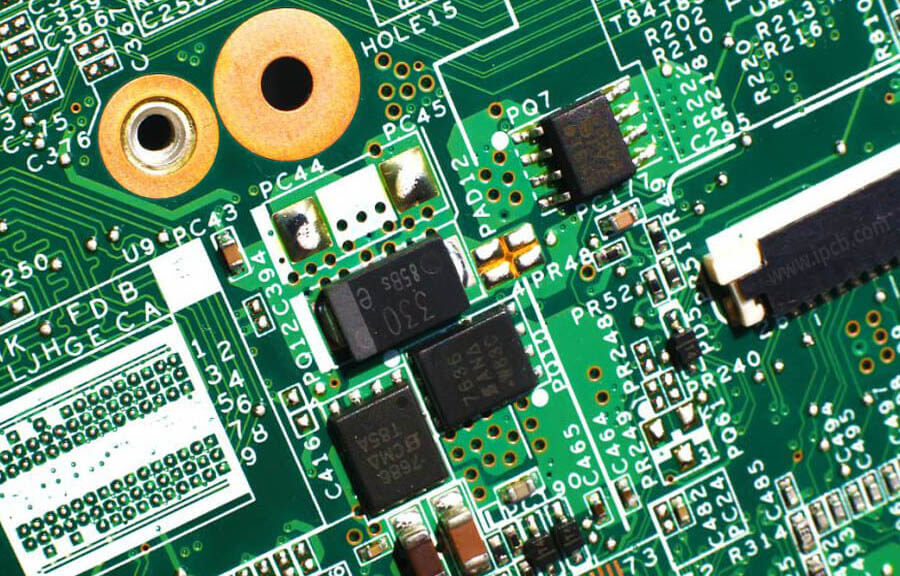
The board is supplied in the same way. The source file is delivered in the format it was drawn in, and the Gerber file set is issued in the standard extended format with a layer for each element of the artwork. The stack-up is documented with the order of the layers, the copper thickness, the dielectric thickness and the impedance target for any controlled structure. The drill file, the drill table and the aperture description accompany it, and the stencil data and the placement coordinates are supplied where they are needed for production. An assembly drawing in PDF form shows the position and orientation of each component.
Software Files
Where firmware is part of the project, the complete source code project is handed over, including the main program, the drivers and any protocol stack, with comments in the sections that a later reader will need and a description of the functions. The build project is supplied for the environment it was written for, together with the compiled output in the format that is programmed into the device, and the reference material and driver library from the silicon vendor come with it.
Communication is documented as a protocol description covering the interfaces the product uses, and where a host application or a cloud connection is part of the product, it is supplied with its installer and its source, its interface documentation and the description of how a mobile application should connect to it.
Production, Test and Technical Documents
A BOM in the form used for production is issued in a spreadsheet so that it can be used directly for purchasing and for preparing the placement machine. The test documents include the test specification and the test report, covering the functional, performance and reliability testing that was carried out. The production documents include the description of the assembly process and the manufacturability report, which is what allows a factory to see the issues before they reach the line. Where the product needs certification, the technical package that supports a filing is included.
The technical documents describe the product rather than the work. A requirement specification records the functions, the performance figures and the interface definitions that were agreed. A hardware description explains the architecture, the design of the critical circuits, the power arrangement and the interfaces. A software description covers the structure, the modules, the flow and the interface functions, and a user manual covers the operation, the configuration and the common problems.
Why the Files Are Handed Over
A customer paid for the development, so the files belong to the customer. Retaining them would create a relationship in which the business is held by the vendor rather than served by it, and that is not a relationship worth building.
Handing over the files also makes the product developable. The customer can take the next revision to the same group or to someone else, and a third party can read the design without having to reconstruct it. If the customer chooses to move production, the complete package travels with them, which removes the risk of a technical dependency that cannot be resolved.
That last point is the commercial one. A supplier that keeps its customers by holding their files has to keep doing so, while a supplier that keeps them by doing the work well has a business that lasts. Our PCB design and layout and firmware work are delivered in this way, and the same group carries the design into PCB manufacturing and turnkey assembly when the customer wants the build handled as well.
Support After Delivery
After a project is handed over, a period of support follows without charge: questions, small corrections and guidance on use. When that period ends, further development or deeper support can be arranged under a longer agreement, charged by the day or by the project, which is how a product that continues to evolve is kept supported without an artificial dependency.
Where only part of the work is wanted, the scope is defined accordingly. A customer may commission the hardware alone, the software alone, or a single module of either, and the deliverables follow the scope that was agreed rather than the whole list. The delivery list is written into the contract before the project begins, so that both sides know what arrives at the end and there is no discussion at the moment it matters most.
Keeping the Files Usable
`r`n
A file set is only valuable if a later reader can use it. That means the file names describe what is inside them, the revision is marked on each document and matches the revision of the product, and the folder structure follows something a person can follow without being told. It also means the documents carry a date and a version, because two copies of a schematic that both look current are worse than one copy and a question.
`r`n
A short handover session is usually part of the delivery. Walking through the architecture, the key circuits, the power tree and the parts of the code that a new engineer will need to touch takes an hour and saves a great deal of time later. It is also the point at which the customer discovers whether anything is missing while the person who wrote it is still available.
`r`n
Where a customer intends to manufacture elsewhere, the production package is checked against what a factory will actually ask for: the artwork, the drill data, the stack-up, the coordinates, the stencil data and the assembly drawing. A package that is complete by the standards of the design team but missing one of those items will be discovered at the factory, and the discovery is cheaper before the transfer than during it.
FAQ
Are all the source files really handed over? Yes. Once the final payment is settled, the schematic, the board, the code, the bill of materials and the documents are delivered, with the list agreed in the contract at the start.
Is the code commented well enough to be developed further? The modules and functions are documented and the key flows are explained, so an engineer with a grounding in embedded work can read and extend it. A heavier documentation requirement is quoted as additional work.
Is support available after delivery? A period of support is included, and longer term support or further development can be arranged separately.