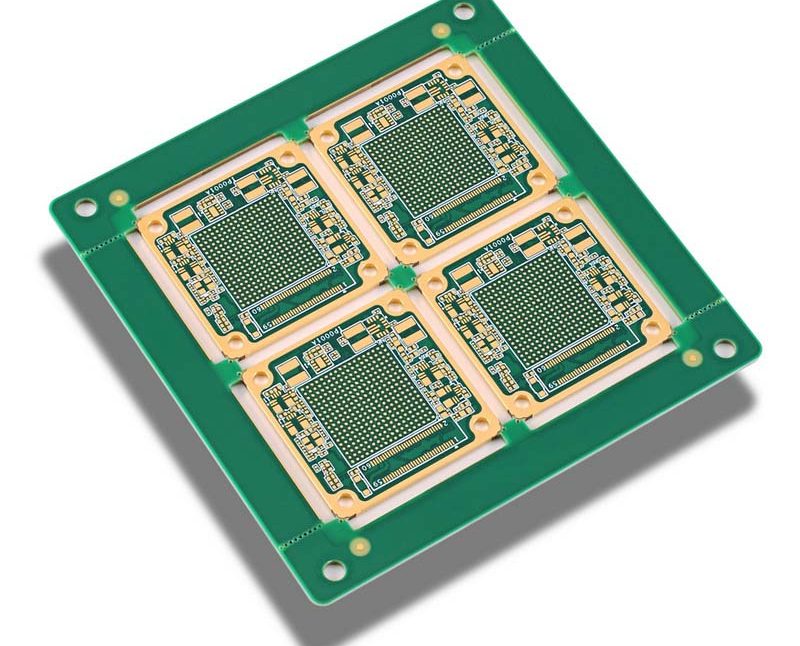
PCB Fabrication Lead Time: Standard and Expedited Schedules
A PCB fabrication lead time only means something when the board type, the process and the quantity are attached to it. A two layer prototype and a ten layer board with buried vias are not on the same clock, so a single figure quoted for both invites disappointment later. The honest way to present a schedule is to state the layers, the process and the quantity that each figure applies to, and then to count from the point at which the files have been confirmed as manufacturable and the order has been released.
What the Schedule Is Counted From
The clock does not start when the files arrive. It starts when the engineering review has confirmed that the data is complete and buildable and the order has been released to the shop floor. A Gerber set with a missing layer, a drill file whose units disagree with the artwork, or a stack-up that cannot be pressed all generate a question and answer cycle, and every cycle moves the shipment date.
This is why practical advice about a production schedule is really advice about preparation. A checklist run before the files are submitted costs half an hour and can remove two days from the calendar. Our PCB capabilities page states the layer counts, the materials and the processes that can be built without a change to the design.
Fast Turnaround and Standard Production
Double sided boards in ordinary processes are the fastest class. A standard schedule is measured in a couple of days, and a quick-turn option can bring the board out inside a single day when capacity allows. Four layer boards in ordinary processes sit one step behind, and six layer boards widen the gap again because the lamination cycles multiply.
Above eight layers the number of press cycles and the registration risk both rise, so the schedule is measured in days rather than hours and is quoted against the specific stack-up rather than against the layer count alone. Boards that add blind and buried vias, high frequency laminate, aluminium or copper cores, heavy copper or a rigid flex construction are assessed from their process parameters, because each of those adds an operation that cannot be compressed by working faster.

A small quantity is not automatically faster. Every process step carries a setup that is paid once, and the reason an order can be expedited is that its setup is scheduled ahead of other work rather than because the operation itself is short. It also follows that a large order is not simply a small order multiplied: it is planned into capacity, and the date it receives depends on where it sits in the queue.
What the Board Passes Through
The route is the same whether the order is large or small. The files are reviewed for manufacturability, the panel is cut, the inner layers are imaged, etched and inspected, the layers are laminated, the holes are drilled and plated, the outer layers are imaged and etched, the solder mask and the legend are applied, the surface finish is deposited, the profile is routed, and the board is electrically tested and inspected before packing.
Every step can be checked against a record, and the record is what makes a schedule credible. A shop that can say which operation an order is standing at, and for how long, does not need to estimate its answer. The sequence is described on our process page, and the same flow feeds the volume orders handled as high volume PCB assembly.
What Moves the Date
Four things move a PCB fabrication lead time, and three of them are under the control of the customer. The first is the completeness of the data. The second is the process, because a special construction needs equipment or a reaction time that cannot be shortened by pressure. The third is the quantity, since a volume order is scheduled into capacity rather than into the next free slot. The fourth is the load on the industry, and a peak season moves dates in a way that no supplier can fully absorb.
The answer to the first three is the same in every case: raise the question early. If a stack-up depends on a laminate that is not in stock, the customer would rather hear it at the quotation stage than on the morning the board was promised.
Holding a High On-Time Shipment Rate
An on-time shipment rate is not a slogan. It is the output of decisions taken before the order arrives. Capacity is planned so that urgent work and ordinary work each receive a share of the line, rather than urgent work pushing ordinary work out of the window. Critical equipment is maintained on a schedule and supported by spares, so a single breakdown does not stop a batch. The shop runs around the clock with rotating crews on the key operations. And the engineering review is strict at the front door, because a defect caught at the file stage never becomes a rework at the end.
Where a project is genuinely urgent, an extra expedite can be arranged within what the process allows, and the answer depends on the parameters of the board and on the capacity available at that moment. That conversation belongs with the sales engineer rather than with a form, and the people who can hold it are the same team that looks after PCB manufacturing and the documentation held under quality management.

The principle behind all of it is that a date should be a commitment rather than a hope. A customer is rarely upset by being told that five days are needed. A customer is upset by being told five days and receiving the boards on the eighth. A rate that stays near the top of the range is built out of that discipline, one order at a time.
Planning a Project Around the Schedule
A schedule is easier to live with when the development plan is built around it rather than the other way round. A team that intends to run three iterations of a prototype board should place the first order as early as the layout allows, because the second and third rounds are only predictable once the first has been received and measured. Teams that wait for a fully polished design before the first submission usually find that the calendar, not the design, decides when the product ships.
It also helps to decide in advance which changes are worth a new round of boards. A footprint correction or a stack-up change justifies one; a silkscreen adjustment usually does not. Every order that is placed mainly to fix cosmetics is an order that consumes the schedule of the next functional revision.
FAQ
When does the clock start? From the point at which the files are confirmed as manufacturable and the order is released, not from the moment the data is uploaded.
Why is a large order slower than a prototype? Because it is planned into production capacity rather than slotted into the next available gap, and capacity is shared with every other order in the shop.
Can a special construction be expedited? Only within the limits of the process. Blind and buried vias, high frequency laminate and rigid flex each add an operation that cannot be compressed indefinitely.
What shortens the schedule most reliably? Complete data. A design reviewed against the capability list before submission removes the question and answer cycles that cost the most time.