
Engineering Change Management in PCB Production
An engineering change is a decision to make the product different, and change management is the work of making sure the difference reaches every place it needs to reach. In a board shop a change rarely stops at the drawing. It moves through the stackup, the artwork, the drill program, the material specification, the stencil, the test program and sometimes the fixture. Change control exists because the change always travels faster than the list of things it affects.
Why Changes Go Wrong
Changes go wrong in three familiar ways. The change is made in one document and not in the others, so the shop builds a product that matches half of the old revision and half of the new one. The change is issued but not delivered to the point of use, so a machine runs the previous program while the paperwork describes the new one. Or the change is applied part way through a batch, so two different products end up sharing a single batch number.
The consequences are worse than the individual errors suggest, because a mixed revision is difficult to detect. Boards built to a mixture may pass inspection, because each individual characteristic is within tolerance, and the problem appears later as an intermittent failure in the field or a customer complaint that cannot be reproduced. That kind of problem costs far more to resolve than the change ever saved.
The ECN Process
An ECN process is a controlled route for proposing, reviewing and releasing a change. It should capture what is changing, why it is changing, who is affected, which documents are touched, when the change takes effect and who approved it. The route matters as much as the record, because a change that only one person understands will be implemented inconsistently.
Review should include the functions that will have to implement the change: engineering, production, quality, purchasing and, where the change affects the customer’s product, the customer. A short review with the right people is enough for most changes, and the review is the moment to ask what else the change touches. That question is the one that prevents the majority of change-related failures.
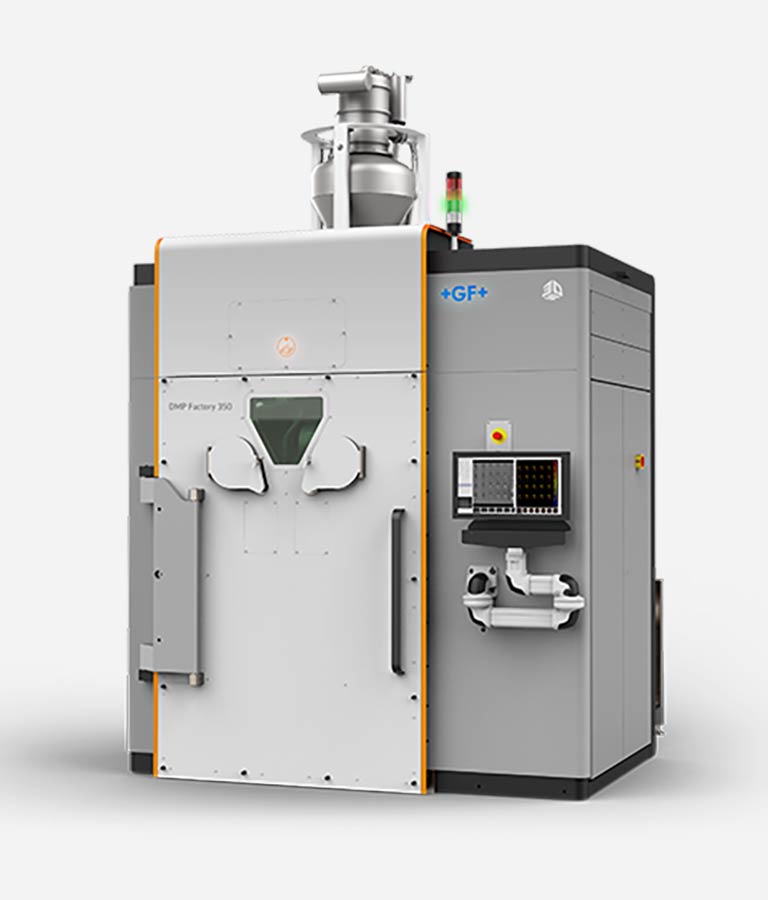
Change Control Reaching the Floor
Change control fails at the handover between the office and the shop floor. A released change notice in an engineering folder has no effect on a machine that is running a program from last month, and the shop will continue to build the old revision until someone notices. The delivery of the change to the point of use is therefore a step in the process with an owner and a date, not an assumption.
The practical mechanism is a list of affected documents with a responsibility and a confirmation for each. When the drill program has been updated, the fact is recorded. When the stencil has been replaced, the fact is recorded. When the work instruction at the machine has been exchanged, the fact is recorded. The change is not closed until every item on that list is confirmed, and the confirmation is what makes the closure meaningful.
Design Revision and Configuration
A design revision identifies a specific state of the product, and configuration management is the discipline of keeping that state identifiable through production. In practice this means that a board can be traced to the revision it was built to, and that the revision is defined by a set of documents rather than by a drawing alone. Without that definition, two people can disagree about what revision means and both be right.
Configuration management also covers the changes that are not design changes. A supplier change, a process change or a material substitution can alter the product without touching the drawing, and those changes should be recorded in the same way. When a customer asks why a shipment behaves differently from an earlier one, the answer is usually in this category rather than in the drawing history.
Effective Points and Work in Progress
Every change needs an effective point that can be seen on the floor. The start of a batch, the start of a panel or the start of a shift are all workable, while an instruction to use up the old material first is not, because it depends on a judgement made by whoever is at the machine. Choosing the effective point is a planning decision and it should be made when the change is approved.
Work already in progress needs an explicit decision as well. Some changes can be retrofitted, some cannot, and some are not worth the labour. The decision should be recorded with the change so that the shop is not left with a pile of partly converted material whose status is unclear. Material in that state usually ends up being scrapped or shipped by accident, and both outcomes are expensive.
Keeping the System Honest
The system stays honest when changes are counted. A shop that can report how many changes were released last quarter, how many were emergency changes and how many were caused by an earlier change has a picture of its own engineering stability. A high and rising rate of emergency change is a symptom, and it is usually traceable to pressure to release work before the design is ready.
It also helps to review a sample of recently closed changes against the floor, which is a short audit rather than a full one. The check is simply whether the machine, the instruction and the drawing are all at the current revision. Performing this once a month on two or three jobs finds drift early, and it costs less than an hour.
Practical Rules
Raise every change through the same route, list the affected documents, and confirm each one has been updated before closing. Decide the effective point when the change is approved, and make an explicit decision about the work already in progress.
Keep the revision visible in the batch record and in the documents at the machine, and review a sample against the floor every month. Engineering change management is not a brake on progress; it is the mechanism that lets the shop change the product quickly without losing track of the quality that the previous revision had already achieved.
Process Control and Verification
On a design of this kind, ecn process is the item that decides how the rest of the board is arranged. Where a value sits close to a process limit, the drawing should say so, since the shop can then open the process window rather than working to a nominal figure that carries no tolerance. A stack-up that is drawn rather than described removes most of the ambiguity from a quotation, and it lets the fabricator price the board against the dielectric and copper weights that will actually be used.
Related reading: our fabrication notes, board quality and design release notes cover the same ground.
FAQ
What does an ECN record? What is changing, why, which documents are affected, when it takes effect and who approved it. The affected document list is the most important part.
Why avoid applying a change mid-batch? Because two different products would share one batch number, which destroys traceability and cannot be repaired afterwards.
How can a shop check that changes are implemented? Compare the drawing, the program and the instruction at the machine against the current revision on a sample of jobs, once a month.