PCB Freight Handover: Passing It On
Modern electronics depend on boards that are assembled correctly the first time. Every product – a phone, a charger, a medical instrument or an industrial controller – relies on thousands of solder joints that must conduct current for years. This article explains PCB freight handover in plain language: what it is, why it matters in handing over freight, and how a contract PCBA factory keeps it under control so that products ship without surprises.
1. How the Work Is Carried Out
The route from a released data package to a packed carton follows the same five stages on every order. What changes between products is the detail inside each stage, not the sequence.
1. Review. The board file, the stack and the assembly notes are checked against each other, and any open point is raised before the line is booked.
2. Prepare. The tooling, the program and the material for PCB Freight Handover are set up and verified against the job packet by a second person.
3. Run. The process for handing over freight starts on a small lot, and the settings are written down as they are proven rather than after the run.
4. Inspect. The first article is checked in full, and the ongoing checks continue at the points that actually decide the result.
5. Release. The lot is measured against the drawing, packed for the journey and shipped with its record attached.
2. What PCB Freight Handover Means in Practice
the the documents, the the state and the the open points behind it.
3. Why It Matters
The limits are easy to meet once and hard to hold across a full shift.
4. The Working Method
The result is measured, filed and compared with the previous lot before the release is signed.
5. The Production Route in Practice
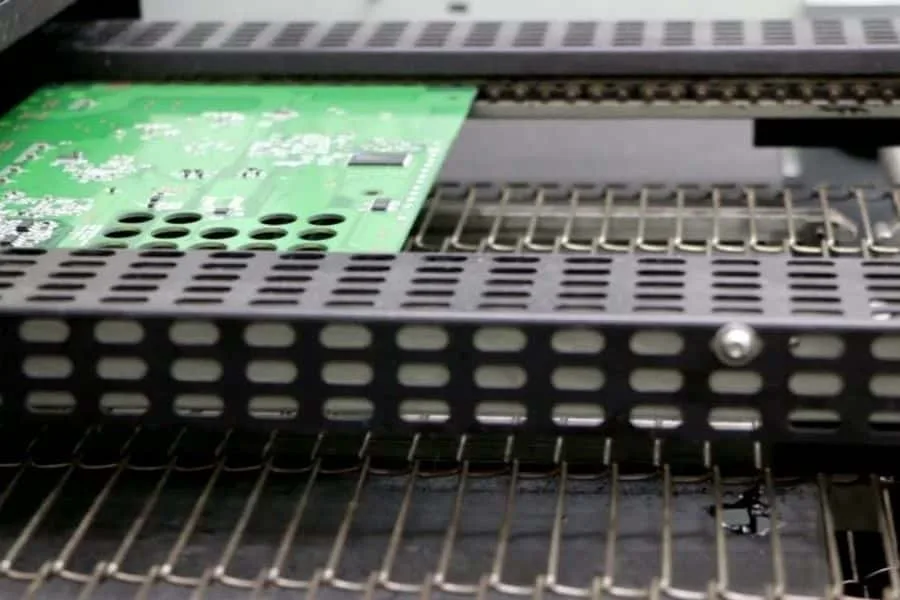
The result depends on the whole chain, not on any single machine. The board design fixes pad sizes and spacing, the printer controls the solder volume, the placement machine positions every component and the reflow oven forms the joints. Each step feeds the next one, which is why turnkey PCB assembly should be reviewed as one complete process instead of a collection of separate operations.
6. Quality Checks That Keep Defects Away
First article inspection plays a special role at the start of every order. The first board is checked against the design in detail: component values, orientation, polarity and solder quality are verified before the line continues, which prevents an entire batch from inheriting a setup error. After the run, every board passes automated optical inspection, and samples move on to electrical test so the solder joints and the circuit are both proven before packing; this combination is the core of a practical PCBA testing plan.
Traceability turns good intentions into proof. The factory records which program ran, which reels of paste and components were used, which operator handled the job and what the inspection found. When a field return arrives six months later, that record is the fastest way to find the cause, and it is the clearest evidence that a documented quality management system is working.
7. The Industries That Depend on It
Assembled boards built with a well controlled process serve every industry: automotive electronics, telecom equipment, medical devices and industrial instruments. The same core disciplines apply across all of them, but each market adds its own expectations. Consumer products need low cost and fast ramp, medical products demand documentation and traceability, automotive boards must survive vibration and temperature extremes, and industrial electronics value long service life and easy repair.
8. Questions Buyers Raise About PCB Freight Handover
The same three questions come up in almost every project that involves PCB Freight Handover. They are listed here with the short answers, because all three are worth settling before the design is frozen.
1. What decides the price? The material, the layer count, the finish and the inspection level. Work on handing over freight adds time, and time is what appears in the quotation, so a clear requirement usually ends up costing less than a vague one.
2. How is it proven before shipping? By a first article check measured against the drawing, followed by in process checks and a final inspection. The results travel with the lot and can be supplied with the delivery.
3. What should the buyer prepare? The board file, the stack notes, the assembly drawing and the finish. With those in hand the engineering review is normally finished inside a working day.
9. Working With an Assembly Partner
A dedicated line only pays for itself when it runs constantly, and keeping process data, calibration records and quality documentation current takes engineering time that is easy to underestimate. Most product companies therefore choose a partner that spreads its equipment investment over many customers and offers services such as high volume PCB assembly and mixed technology PCB assembly under one roof.
When factories are compared, the price per board should never be the only number. Process controls, inspection equipment, component sourcing and communication decide the real cost, and a partner that reviews files before production, reports risks honestly and keeps its delivery promises will always be cheaper in the long run than one that quotes low and surprises later.
10. Practical Points Worth Knowing
The best factories treat handing over freight as a system rather than a checklist. Every decision, from stencil cleaning frequency to test coverage, connects to the others, so a change in one area is checked against its effect on the rest. A faster placement speed may save time today and create tombstoning tomorrow, and a thicker stencil may fix opens while causing bridges. That systems view, supported by data from inspection and test, is what turns a capable line into a predictable one over years of production.
11. Where gopcb Fits In
Customers who compare suppliers often ask how we handle document, and we answer with data from real builds and a delivery record rather than a brochure.
gopcb runs SMT lines supported by solder paste inspection, automated optical inspection and functional test in one facility. Our engineers review your Gerber files and BOM before production, discuss the process options, and ship boards with test records that give you confidence in the field.
If you are planning a new product or moving an existing design to volume production, send gopcb your design files and requirements. You will receive a DFM review, a clear quotation and a schedule you can plan around – and boards that work the way they should.
Suppliers and materials carry risks of their own, especially when it comes to handing over freight. A component that quietly changes its plating, a solder paste batch with different viscosity or a reel stored in humidity can all shift the process without any machine warning. Professional factories qualify their materials, check certificates of analysis and keep alternates approved in advance, so a supply change never becomes a quality incident on the production line.
Conclusion
Taken as a whole, PCB Freight Handover is a question of routine rather than equipment. The factory that writes its settings down, checks the feature where it is created and keeps the record with the lot will hold its yield through a product mix change, a new shift or a busy quarter. That is why handing over freight is worth reviewing at the quotation stage, when a change costs a conversation rather than a batch.
That is the full picture on “PCB Freight Handover: Passing It On”. For layout review, board fabrication, SMT assembly, component sourcing, stencil production, conformal coating, final assembly or test, contact gopcb with your files. You will receive a DFM report, an itemised quotation and a production schedule in writing before anything is committed to the line.