PCB Sampling Plan Records: Writing It Down
Buyers and engineers often focus on the finished product and forget the production line behind it. In practice, most field failures can be traced back to process decisions made during assembly. Understanding PCB sampling plan records gives you a practical advantage when you choose a factory, review a quotation or troubleshoot a quality problem, because it shows exactly where recording sampling plan can go right or wrong.
1. Points That Decide the Result
Four decisions carry most of the weight when PCB Sampling Plan Records has to be repeatable across a production run. They are taken early, they are cheap to change at that stage and they are almost impossible to fix afterwards.
1. Material choice. The laminate, the surface finish and the solder mask are selected for the working temperature, the storage life and the environment the product will live in.
2. Geometry. Pad size, spacing and the clearance around PCB Sampling Plan Records are agreed with the assembly house instead of being guessed from a previous layout.
3. Heat and time. The profile for recording sampling plan is measured on the real board with its own copper distribution, not copied from a similar job that happened to use a different stack.
4. Handling. The boards are supported, earthed and packed so that the work already done on them is not undone in transit.
2. What PCB Sampling Plan Records Means in Practice
the the format, the the access and the the retention behind it.
3. What Decides the Result
The limits are easy to meet once and hard to hold across a full shift.
4. How the Process Runs on the Line
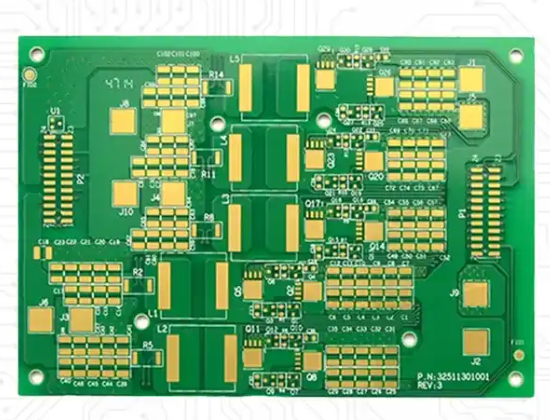
The result depends on the whole chain, not on any single machine. The board design fixes pad sizes and spacing, the printer controls the solder volume, the placement machine positions every component and the reflow oven forms the joints. Each step feeds the next one, which is why SMT PCB assembly should be reviewed as one complete process instead of a collection of separate operations. Pairing that view with PCB assembly gives the team a shared reference for every change, from a stencil tweak to a new component.
5. Doing It
The result is measured, filed and compared with the previous lot before the release is signed.
6. Testing What the Eye Cannot See
First article inspection plays a special role at the start of every order. The first board is checked against the design in detail: component values, orientation, polarity and solder quality are verified before the line continues, which prevents an entire batch from inheriting a setup error. After the run, every board passes automated optical inspection, and samples move on to electrical test so the solder joints and the circuit are both proven before packing; this combination is the core of a practical PCBA testing plan.
Traceability turns good intentions into proof. The factory records which program ran, which reels of paste and components were used, which operator handled the job and what the inspection found. When a field return arrives six months later, that record is the fastest way to find the cause, and it is the clearest evidence that a documented quality management system is working.
7. Applications Across Industries
Assembled boards built with a well controlled process serve every industry: automotive electronics, telecom equipment, medical devices and industrial instruments. The same core disciplines apply across all of them, but each market adds its own expectations. Consumer products need low cost and fast ramp, medical products demand documentation and traceability, automotive boards must survive vibration and temperature extremes, and industrial electronics value long service life and easy repair.
8. Working With an Assembly Partner
A dedicated line only pays for itself when it runs constantly, and keeping process data, calibration records and quality documentation current takes engineering time that is easy to underestimate. Most product companies therefore choose a partner that spreads its equipment investment over many customers and offers services such as component procurement service and high volume PCB assembly under one roof.
When factories are compared, the price per board should never be the only number. Process controls, inspection equipment, component sourcing and communication decide the real cost, and a partner that reviews files before production, reports risks honestly and keeps its delivery promises will always be cheaper in the long run than one that quotes low and surprises later.
9. How gopcb Supports Your Build
At gopcb, process control is a habit rather than an exception. Every batch is printed, placed and reflowed against a written specification, inspected at the right stages and tested before packing. Our engineers speak the same language as your design team, so questions about pads, profiles and tolerances are answered quickly.
Contact gopcb with your design files today. We will confirm the manufacturability of your board, recommend the right assembly route and deliver quality boards on the schedule your product launch needs.
There is more to recording sampling plan than the machines and materials visible on a factory tour. Temperature and humidity in the assembly area change the behavior of solder paste, and electrostatic discharge can damage sensitive components without leaving a visible mark. Professional factories control these conditions, ground every workstation and store moisture sensitive devices correctly, so the process produces the same result in summer and in winter. These environmental details rarely appear in a quotation, yet they decide whether a line runs at high yield all year or drifts with the seasons.
Documentation matters as much as hardware when it comes to recording sampling plan. The factory should record which program ran, which reels of paste and components were used, which operator handled the batch and what the inspection found. When a field return arrives months later, that record is the fastest way to identify the cause and to prove that the fix reached the next batch. Buyers should ask for these records as a routine part of every order, because documents that are easy to produce on request are usually also kept honestly during production.
Nothing about recording sampling plan is decided once and forgotten. Parameters drift, materials change and operators rotate, so the factory reviews its data continuously, ranks the top defects and removes them one by one. Factories that follow this discipline gradually lower their defect rates and shorten their lead times, while factories without data simply repeat the same mistakes at the same cost. The improvement review should happen at least monthly, with the same attendees and the same metrics, so progress stays visible and no problem waits for a crisis to be fixed.
Communication decides how well recording sampling plan matches the product intent. When the buyer shares the operating environment and the reliability target, and the factory answers with concrete process choices and test plans, small process changes are approved before they become quality incidents. Regular reporting during production keeps both sides aligned from prototype to volume, and a written summary of every change gives both parties a record they can trust at the end of the program.
Conclusion
To sum up, PCB Sampling Plan Records is decided long before the final inspection. The design data, the material, the setup and the in process checks each hold a share of the result, and a factory that treats them as one chain produces boards that behave in the field exactly as they did on the line. Buyers who ask for the drawings, the settings and the test records usually find that recording sampling plan turns into a predictable part of the schedule instead of a risk to it.
That is the full picture on “PCB Sampling Plan Records: Writing It Down”. For layout review, board fabrication, SMT assembly, component sourcing, stencil production, conformal coating, final assembly or test, contact gopcb with your files. You will receive a DFM report, an itemised quotation and a production schedule in writing before anything is committed to the line.