PCB Maintenance Control: Holding the Line Steady
Process control on a PCB assembly line is not a single inspection or a single machine setting. It is the daily discipline of keeping paste, placement, reflow and test inside agreed windows. Small drifts in any of these steps show up later as opens, bridges or field returns. This review explains how maintenance control works on a real factory floor and what buyers should verify before they commit a program.
Maintenance control means the limits, the readings and the records behind them stay consistent from lot to lot. A line that runs well on Monday but drifts by Friday is not under control, even if the boards pass. The goal is a process that produces the same result regardless of shift, operator or season. That takes defined parameters, routine checks and honest documentation that anyone can audit.
What Maintenance Control Covers
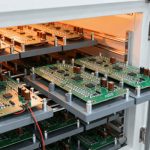
Every machine on the line has settings that affect the final joint. The printer controls solder volume and stencil alignment. The placement machine controls position and force. The reflow oven controls the thermal profile across every zone. Maintenance control means each of these settings has a documented window, a check interval and a named owner. When a value moves outside its window, someone acts before the next lot starts.
Control also covers the materials that feed the line. Solder paste has a shelf life and a working window after it is opened. Components have moisture sensitivity levels and storage conditions. Stencils wear and need cleaning at a defined frequency. A factory that tracks these items treats them as part of the process, not as consumables nobody watches. That discipline removes a large share of avoidable defects.
Why Drift Costs More Later
A change in one parameter rarely fails at the point where it happens. A slightly thinner paste deposit may pass inspection and still crack in the field after thermal cycling. A placement offset within tolerance today may sit at the edge of the pad and weaken a joint. By the time the defect appears, the batch has shipped and the correction costs far more than the check that would have caught it.
This is why maintenance control rewards early detection. Trend data from solder paste inspection and automated optical inspection shows a process moving before it produces scrap. A factory that reviews those trends weekly can adjust the printer or the oven while the fix is still cheap. A factory that only reacts to customer complaints learns about problems too late to protect the schedule.
Buyers feel this difference in delivery performance. A controlled line ships on time because it does not stop for rework. An uncontrolled line may quote lower and then lose days to sorting and rework. The cost of that delay usually lands on the buyer, not the supplier, so it belongs in any supplier comparison. Ask how the factory measures drift and how quickly it responds.
Checks Through the Shift
The process is qualified on a sample, then held by routine checks through the shift. Paste height and stencil condition are checked at set intervals. Placement accuracy is verified against a reference board. Oven profiles are measured with a profiler and compared to the approved window. Each check produces a reading, and each reading goes into a record that the next shift can see.
Those records matter when something goes wrong. If a batch shows bridging, the engineer can look back at the paste readings and the stencil cleaning log. If a joint is weak, the oven profile history shows whether the zone temperatures moved. Without records, the same failure gets diagnosed twice and fixed by guesswork. With records, the cause is usually found in minutes rather than days.
Stacking the Process as One Chain
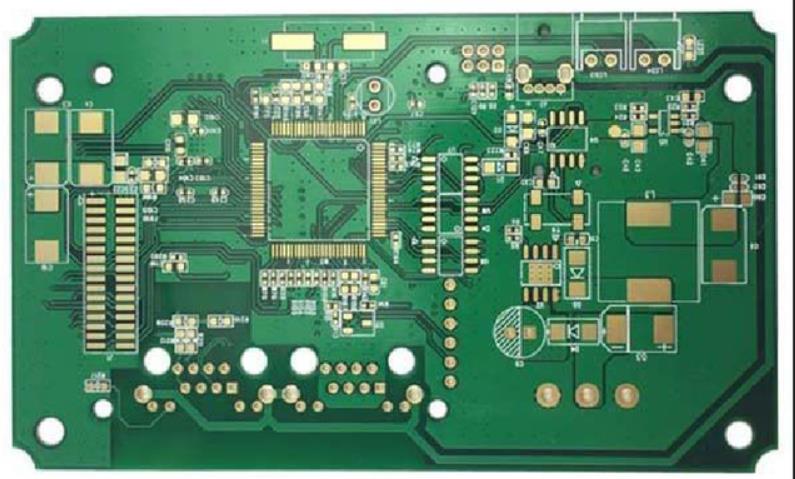
The result depends on the whole chain, not on any single machine. The board design fixes pad sizes and spacing. The printer controls the solder volume. The placement machine positions every component, and the reflow oven forms the joints. Each step feeds the next one, which is why SMT PCB assembly should be reviewed as one complete process instead of a collection of separate operations.
A change in one step is checked against its effect on the rest. Speeding up placement can save time now while setting up tombstoning problems later on. A thicker stencil may fix opens while causing bridges. A hotter reflow profile may improve wetting and damage a sensitive part. Engineers who hold the whole chain in view catch these tradeoffs before they reach the line, and that view is the heart of maintenance control.
Inspection and Test Coverage
First article inspection plays a particularly important role at the start of every order. Before the line continues, the first board is carefully compared with the design. Before production moves forward, the board is checked for correct component values, orientation, polarity, and solder quality. That single check prevents an entire batch from inheriting a setup error. It is the cheapest insurance in the whole build, and it should be documented rather than assumed.
After the run, every board passes automated optical inspection, and samples move on to electrical test. Functional test, in-circuit test and burn in each add confidence where the product needs it. A structured PCBA testing plan proves both the solder joints and the circuit before packing. The right coverage depends on the product, so the test plan should be agreed before production rather than after the first failure.
Records and Traceability
Traceability turns good intentions into proof. The factory records which program ran, which reels of paste and components were used, which operator handled the job and what the inspection found. When a field return arrives six months later, that record is the fastest way to find the cause. It is also the clearest evidence that a documented quality management system is working in practice.
Buyers should ask for these records as a routine part of every order. Documents that are easy to produce on request are usually also kept honestly during production. A supplier that hesitates to share batch records is telling you something about how it works. Make the records part of the purchase agreement so nobody has to argue about access later.
Environment and Operator Discipline
There is more to control than the machines on a factory tour. Solder paste behaves differently depending on the temperature and humidity present in the assembly area. Sensitive components may be harmed by electrostatic discharge without any visible sign being left behind. Professional factories control these conditions and also ground every workstation and store moisture sensitive devices correctly. These details rarely appear in a quotation, yet they decide whether a line holds its yield all year.
People matter as much as hardware. Before making any adjustment to a parameter window, operators need to understand the reason it exists. Inspectors must know what a real defect looks like. Engineers must be able to give the reason behind any change in the data. Factories that invest in training get faster responses and fewer repeated mistakes, because knowledge on the floor is what turns written procedures into daily practice.
Choosing a Partner
Most boards today are built by specialists rather than in house. The investment in printers, placement machines, reflow ovens and inspection equipment is large, and the engineering time needed to keep the process stable is easy to underestimate. A partner spreads that cost over many programs and brings the same discipline to every customer, with services such as rapid PCBA prototyping and volume PCB assembly available from one source.
What ultimately separates suppliers is how they act when things get difficult. How a factory reacts to a design question, a component shortage or a quality issue tells more than its brochure. Ask for defect data, test coverage and customer references, and confirm the quality plan in writing before you commit a program. A supplier that reviews files before production and reports risks honestly will usually cost less over a year than one that quotes low and surprises later.
Maintenance control is never decided once and forgotten. Parameters drift, materials change and operators rotate, so the factory reviews its data continuously, ranks the top defects and removes them one by one. That review should happen on a fixed schedule with the same metrics, so progress stays visible. Buyers who ask for the drawings, the settings and the test records turn maintenance control into a predictable part of the schedule instead of a risk to it.