PCB Maintenance Training: Teaching the Team
Most quality problems on a PCB line trace back to people, not machines. A press operator who adjusts a profile without understanding the window, or an inspector who passes a marginal joint, creates defects that no equipment upgrade will fix. Training is the control that keeps every other control working. This review sets out how a maintenance training program is built, what it should cover, and how a buyer can check whether it exists in daily practice.
A useful program starts with a simple question. Which tasks on this line can go wrong silently, and who performs them? Paste printing, stencil cleaning, reflow profile changes, feeder loading and inspection all qualify. Each task needs a written method, a named owner and a check that confirms the method was followed. Training then becomes the bridge between the written procedure and the habit on the floor. Without that bridge, documents describe a factory that does not exist.
Defining the Training Scope
Scope should follow the process route, not the org chart. Everyone who touches the board needs to know how their step affects the next one. A printer operator who understands solder volume helps the placement stage. An inspector who knows reflow behavior recognizes a cold joint faster. Training that stays inside one department produces narrow skills and repeated handoff errors. Map the route first, then assign the knowledge each role needs at each step.
New hires and experienced staff need different starting points. A new operator needs the basics of handling, grounding and documentation before touching product. An experienced hire may only need the site-specific rules, such as which profile is approved for which stackup. Mixing both groups in one session wastes time and hides gaps. A short skills check at the start places each person correctly and gives the trainer a baseline to measure against later.
Core Skills on the Floor
Handling is the first skill and the easiest to skip. Boards must be supported, stacked correctly and kept in approved packaging. Moisture sensitive devices need dry storage and controlled bake cycles before use. Static damage leaves no visible mark, so grounding straps, mats and workstation checks belong in the basic curriculum. An operator who understands why these rules exist follows them when nobody is watching. That difference shows up in field returns months later.
Process skills come next. Operators should read a stencil cleaning schedule, check paste condition and recognize when a print looks wrong. Placement staff need to verify feeder setup and component orientation. Reflow changes should require approval, and the person making the change should know why the profile window exists. Training here is not about memorizing settings. It is about recognizing when a result drifts outside normal and knowing the correct response.
Inspection skills deserve their own track. A real defect and a cosmetic mark look similar to an untrained eye, and both false calls and missed defects carry cost. Inspectors should see reference samples, understand the acceptance criteria and know how to record findings. Feedback from inspection feeds process control, so the inspector also needs to know who receives the data. That link turns inspection from a gate into a learning loop for the whole line.
Documentation and Records
Training without records is a claim, not a system. Each operator should have a file showing which modules were completed, when, and who signed off. The file should also show refresher dates and any rework after an error. Buyers who audit a supplier can ask for these files and compare them with the operators on the shift. Gaps between the record and the floor are a warning sign. A well-kept training matrix is one of the simplest proofs that a quality management system operates in practice.
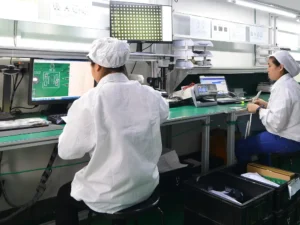
Work instructions should match the training. If a procedure changes, the training changes with it, and the revision date on both documents should agree. A common failure is a process update that reaches the engineers but never reaches the shift. Version control solves this only when someone checks it. Assign that check to a named person and review it at the monthly meeting. Small habits like this keep the written method and the real method from drifting apart.
Refresher Cycles and Drift
Skills fade and parameters drift, so training needs a rhythm. A short refresher each quarter, tied to the top defects from the previous period, keeps attention on what actually fails. When a new defect appears, the response should include a training element, not only a machine adjustment. Operators rotate between stations and shifts, so coverage must survive absence. Cross-training two people per critical task costs little and prevents a single absence from stopping the line.
Drift also comes from materials and seasons. Paste behaves differently in humid weather, and a new component batch can shift the process without any alarm. Refresher sessions are a good place to explain these changes before they cause scrap. The trainer should bring real data from the line, such as print reports or defect photos, so the session connects to daily work. Training built on real examples is remembered. Training built on slides alone is usually forgotten within a week.
Measuring Training Impact
Measure the effect, not the attendance. Track defect rates by station, first pass yield and the number of repeated errors after a correction. If a defect type falls after a training cycle and stays low, the training worked. If it returns, the cause may sit in the process rather than the people. Comparing these numbers across lots shows whether skills hold. Buyers can request this trend data as part of a supplier review, and honest factories will share it.
Competence checks add another layer. A short practical test at the workstation, observed by a supervisor, confirms that knowledge became action. The test should use the same tools and boards as production, not a simulator. Record the result and schedule the next check. This approach fits naturally with turnkey PCB assembly, where one partner owns the process from files to finished boards and can keep training aligned with every step it controls.
Supplier and Material Awareness
Operators should know enough about materials to notice a problem. A paste batch with different viscosity, a reel stored in humidity or a component with changed plating can all shift results. Training should cover the storage rules, the label checks and the escalation path when something looks wrong. The goal is not to make every operator a materials engineer. It is to make sure the first person who sees an anomaly reports it instead of working around it.
This awareness links directly to component procurement. Approved alternates, incoming checks and certificate review belong to the buying process, but the floor sees the result first. When a substitute part arrives, the shift should know it is approved and what to watch for. A short note in the shift briefing is often enough. Factories that connect purchasing decisions to floor communication catch material issues early, while others discover them in final test.
Building the Program
Start with a skills matrix for every role on the line. Mark who is trained, who is in progress and who is the backup. Then write short modules, one per task, each with a clear objective and a practical check. Keep modules brief enough to fit into a shift handover or a quiet hour. A program that demands long classroom days rarely survives a busy schedule. Small, frequent sessions fit production reality and keep the material fresh.
Pair the matrix with a review cycle. Each month, look at defects, near misses and audit findings, then adjust the next training session. Involve supervisors in delivery, because they see daily behavior and can correct small slips before they become habits. Reward reporting as much as accuracy, so people raise concerns early. A program built this way improves on its own, because each cycle uses the last one as input. That is the difference between training as an event and training as a system.
What Buyers Should Verify
Ask for the training matrix, the work instruction revisions and the last few refresher records. Then ask a supervisor to explain how a new operator is onboarded and who signs off competence. Compare the answers with what the records show. Consistency across shifts matters more than the format of the documents. A factory that can explain its program in plain words, with dates and names, usually runs it well. A factory that answers in general terms has probably not built one.
Also ask how training connects to corrective action. When a defect is traced to a person, the fix should include a method review, not only a reminder. If the same error repeats across different operators, the process or the instruction is likely at fault. Good programs treat repeated errors as a signal to redesign the task. That mindset supports stable output at high-volume PCB assembly, where small per-board errors become large losses over a long run.
Finally, connect training to design feedback. Operators and inspectors often spot layout issues that engineers miss, such as tight pad spacing or awkward component orientation. A program that gives them a route to report those findings improves the next design. This loop works best when layout and production share one channel, which is why PCB design and layout reviews should include floor input. The takeaway for buyers is simple.
Ask for the training records before you ask for the price, and treat a clear, dated matrix as evidence that the line will hold its results across shifts and seasons.