PCB Charger Via Quality: A Review at the Line
The order began as a prototype run of fifteen boards and grew, over eight months, into a repeat programme with its own purchase history. Nothing in the design changed, yet the second half of the year behaved differently from the first. That is the ordinary pattern behind PCB charger via quality: the outcome is decided by conditions set early and then quietly forgotten. The pages below walk the inspection record from the data package to the shipping carton, and mark the points where a decision still costs nothing to change. Readers who want the broader background will find it under mixed technology PCB assembly.
When PCB charger microvia quality is part of the requirement, our engineers tune the process, the inspection and the test plan around that goal so the finished board matches the use case.
PCB Charger Via Quality: What It Covers on a Production Line
the consumer products, the EV charging and the automotive electronics behind it.
A clear quote from our factory states PCB charger via quality compliance in the breakdown, so the buyer knows exactly what is included before placing the order.
Confirming PCB Charger Via Quality Before Release
Before an order is placed it is worth walking through the points below with the supplier. Each one takes a few minutes to confirm and each one has a cost attached if it is discovered later. Nothing above changes when PCB Charger Via Quality moves to another line.
1. Confirm the requirement in writing, including the tolerance that matters and the tolerances that do not, so the factory spends its effort where it changes the product.
2. Review the data before tooling is cut, because a question answered at that point costs an email and the same question answered later costs a new set of films. The same reasoning applies to PCB Charger Via Quality in a repeat order.
3. Qualify the process for the inspection record on a coupon or a first article and keep the measured result with the job record.
4. Measure the finished board against the drawing at the end of the line, and file the record with the lot so that a repeat order starts from a known point. The same checks apply to PCB Charger Via Quality on the next build.
We treat PCB charger via quality build readiness as a shared target: the DFM review, the production run and the final report all check against it, which keeps a repeatable result across batches.
What the Route Looks Like From the Floor
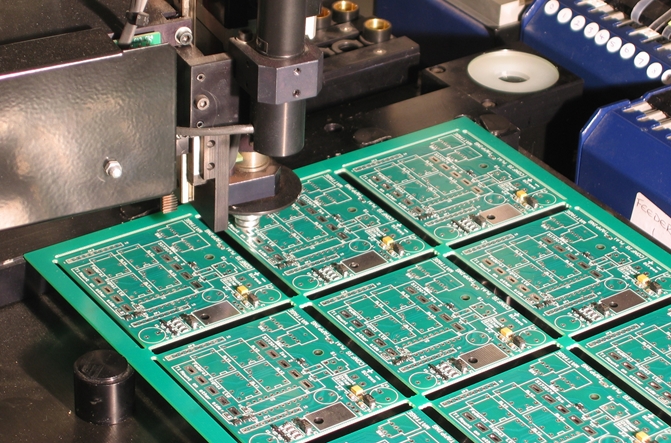
The result depends on the whole chain, not on any single machine. The board design fixes pad sizes and spacing, the printer controls the solder volume, the placement machine positions every component and the reflow oven forms the joints. Each step feeds the next one, which is why $2 should be reviewed as one complete process instead of a collection of separate operations.
Customers who compare suppliers often ask how we handle PCB charger via quality supplier checks, and we answer with data from real builds and a delivery record rather than a brochure.
How Conformance Is Measured and Recorded
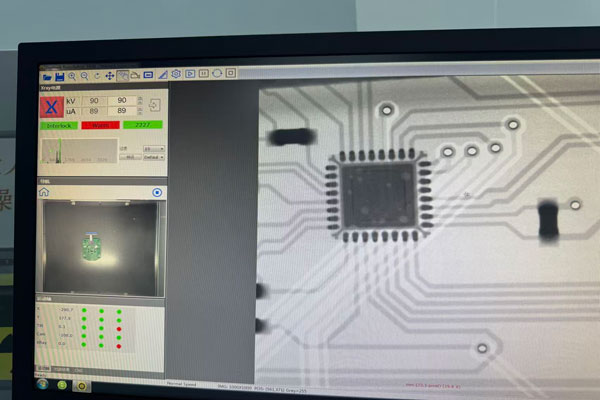
Inspection catches defects before they leave the factory, but its real value is the feedback it gives. When a solder joint fails, the engineer learns whether the paste print, the placement or the reflow profile caused it, and that closed loop between inspection and process control is what pushes defect rates down month after month. Boards that pass visual checks still need electrical verification, because a cracked joint or a wrong component only shows up under power; functional test, in-circuit test and burn in each add confidence, and that is exactly what a structured PCBA testing program delivers. On the line, the same reasoning applies to PCB charger via quality.
That is the standard that PCB Charger Via Quality is held to on every run.
Reliability does not come from one lucky batch, it comes from repeatability. Parameters are recorded, machines are calibrated, operators are trained, and the same result is produced on Monday and on Friday. Buyers should ask for process documentation, inspection data and test reports, because those records show whether a real $2 exists in practice or only on paper.
Splitting the Work Between Two Partners
A dedicated line only pays for itself when it runs constantly, and keeping process data, calibration records and quality documentation current takes engineering time that is easy to underestimate. Most product companies therefore choose a partner that spreads its equipment investment over many customers and offers services such as $2 and PCB assembly under one roof. It also explains why PCB Charger Via Quality is checked at more than one step.
When factories are compared, the price per board should never be the only number. Process controls, inspection equipment, component sourcing and communication decide the real cost, and a partner that reviews files before production, reports risks honestly and keeps its delivery promises will always be cheaper in the long run than one that quotes low and surprises later.
What Actually Decides the Result?
The limits are easy to meet once and hard to hold across a full shift. It is the reason PCB Charger Via Quality is reviewed again before the release.
Making a Repeat Order Uneventful
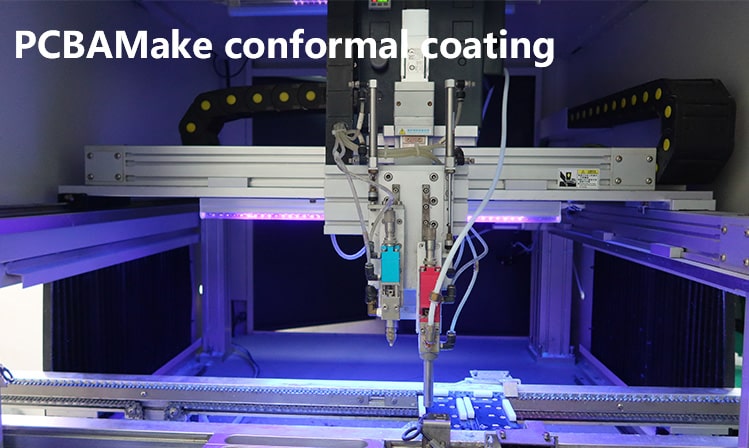
gopcb runs SMT lines supported by solder paste inspection, automated optical inspection and functional test in one facility. Our engineers review your Gerber files and BOM before production, discuss the process options, and ship boards with test records that give you confidence in the field.
If you are planning a new product or moving an existing design to volume production, send gopcb your design files and requirements. You will receive a DFM review, a clear quotation and a schedule you can plan around – and boards that work the way they should. Buyers who audit PCB Charger Via Quality usually ask for these records first.
Collecting data about the inspection record pays for itself quickly. Print reports, placement statistics, oven profiles and test results cost little to record, yet they turn arguments into decisions: when a customer complains, the batch record shows what actually happened, and when a process drifts, the trend line reveals it before scrap grows. Factories that treat records as part of the process rather than paperwork tend to find problems while they are still cheap to fix, and their customers see the difference in delivery performance and defect rates over time.
Every person touching the process needs training, and that rule applies fully to the inspection record. Operators must understand why a parameter window exists before they adjust it, inspectors must know what a real defect looks like, and engineers must be able to explain a change in the data. Factories that invest in training get faster responses to problems and fewer repeated mistakes, because knowledge on the floor is what turns written procedures into daily practice. Anyone responsible for PCB Charger Via Quality should expect these documents.
Suppliers and materials carry risks of their own, especially when it comes to the inspection record. A component that quietly changes its plating, a solder paste batch with different viscosity or a reel stored in humidity can all shift the process without any machine warning. Professional factories qualify their materials, check certificates of analysis and keep alternates approved in advance, so a supply change never becomes a quality incident on the production line. On the line, the same reasoning applies to PCB charger via quality.
In Short
In short, PCB Charger Via Quality is not a single decision but a chain of small ones running from the first drawing to the last carton. Individually they are unremarkable; taken together they decide whether the boards arrive ready to use. Working through them in order, with the numbers recorded, is what separates a stable supply from a permanent firefight. Teams comparing suppliers should ask how PCB Charger Via Quality is measured.
Everything that matters about “PCB Charger Via Quality: A Review at the Line” is covered above. Where the project also needs layout design, fabrication, SMT assembly, component sourcing, stencil making, conformal coating, box build or functional testing, our engineering team can review the files and quote the whole scope. Send the design data to gopcb for a manufacturability review, a clear price and a firm delivery date. That is the working summary of PCB charger microvia quality for the next order. The same points return at repeat order, and PCB design and layout explains how they are handled there.