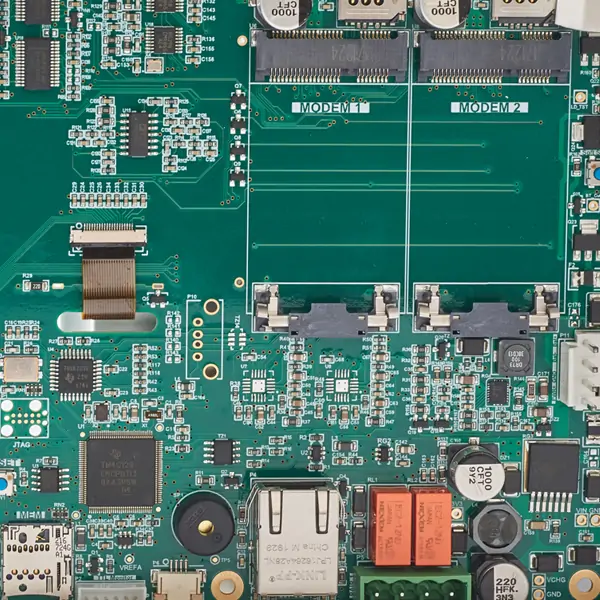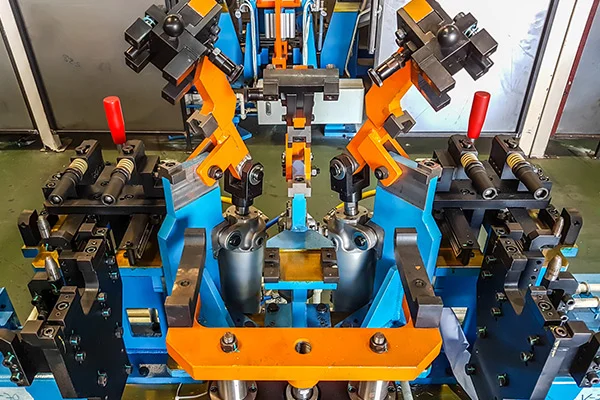
On modern automated electronics manufacturing lines, every flawless printed circuit board assembly (PCBA) is supported by a group of unseen “behind-the-scenes heroes” — jigs and fixtures. They may not attract as much attention as high-speed pick-and-place machines, but they are an indispensable bridge between design and large-scale, high-quality production. Today,…
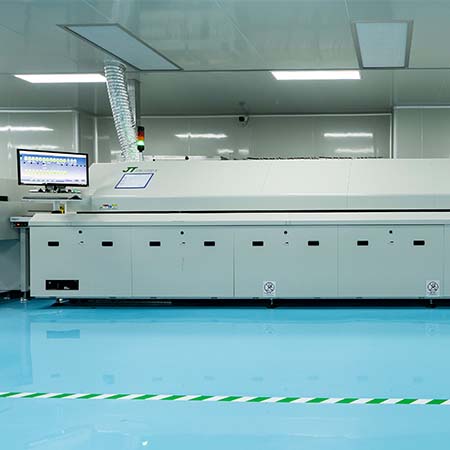
In the world of modern electronics manufacturing, the quality of every solder joint is directly linked to the performance and lifespan of the final product. Especially for printed circuit board assemblies (PCBA) with increasingly precise components and complex layouts, the soldering process has gone far beyond a simple “connection” and…
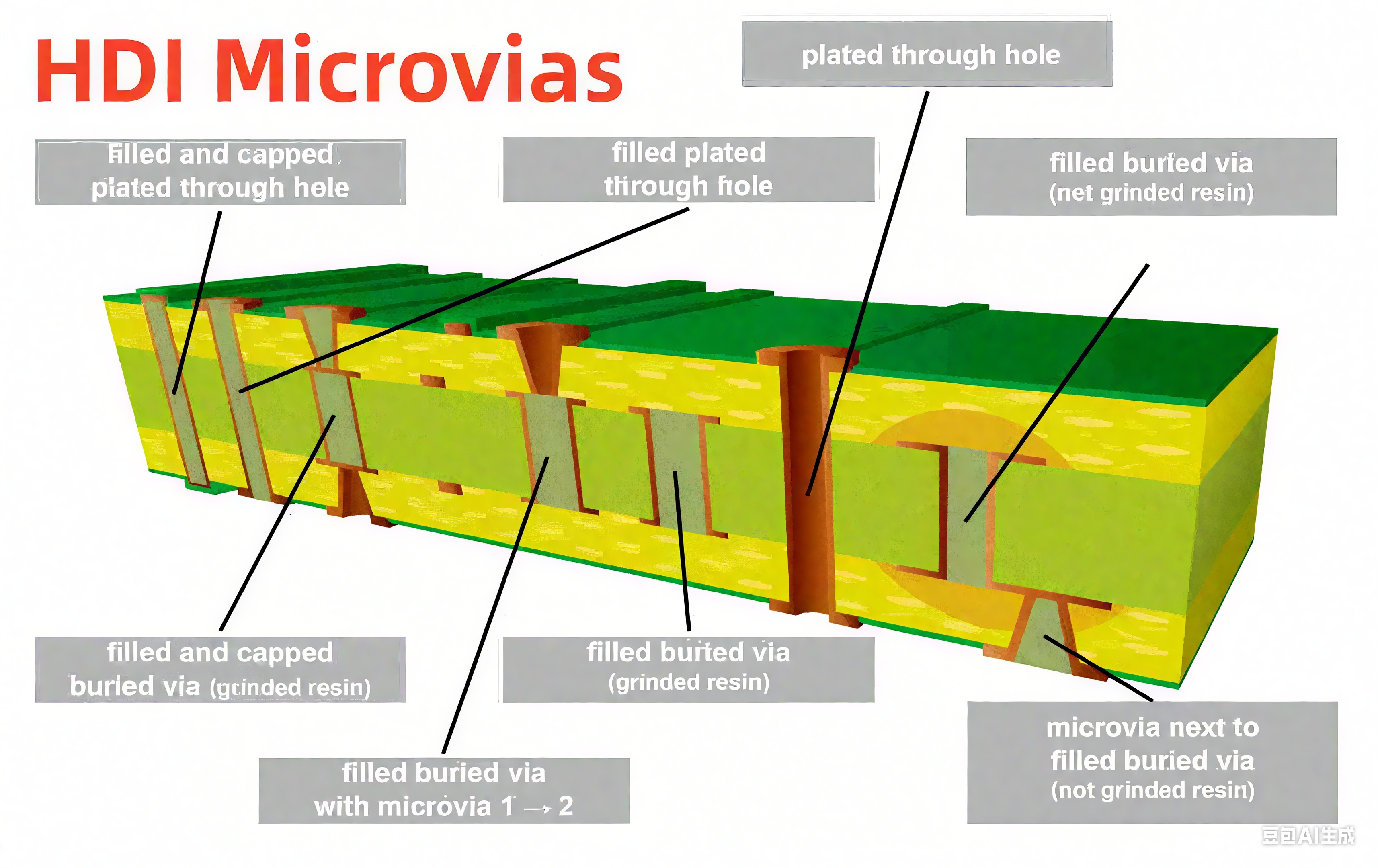
High Density Interconnect (HDI) technology has revolutionized PCB (Printed Circuit Board) design, enabling compact, high-performance electronics. From smartphones and tablets to automotive radar and aerospace systems, HDI PCBs make it possible to fit more functionality into smaller footprints without compromising speed or reliability. Central to this technology are microvias, blind…
In the electronics industry, PCB (Printed Circuit Board) technology has evolved dramatically — from simple single-sided boards to today’s complex 10, 20, or even higher-layer constructions. This progress enables faster signal processing and higher-density packaging, but it also brings major challenges in the multilayer lamination process, which is critical to…
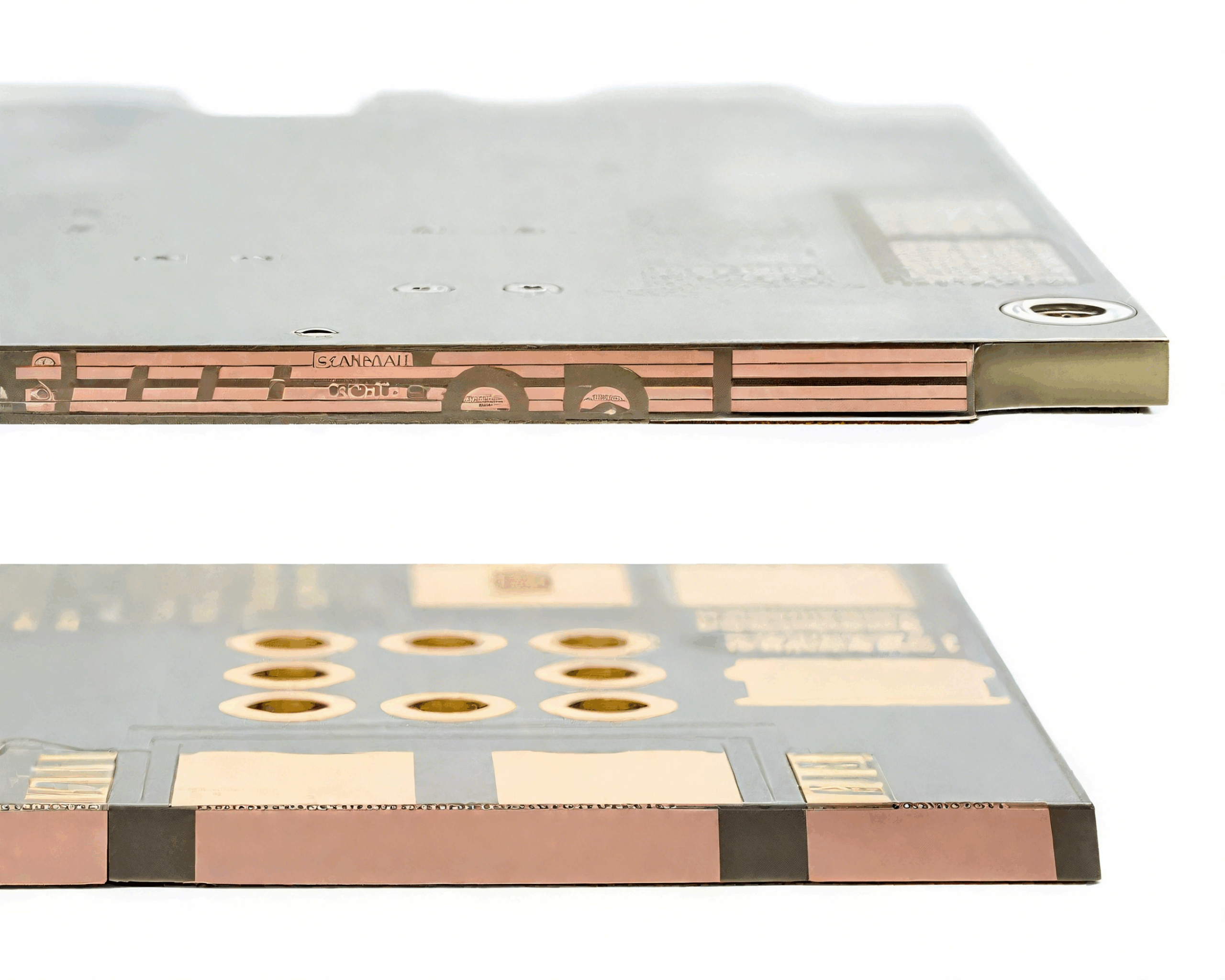
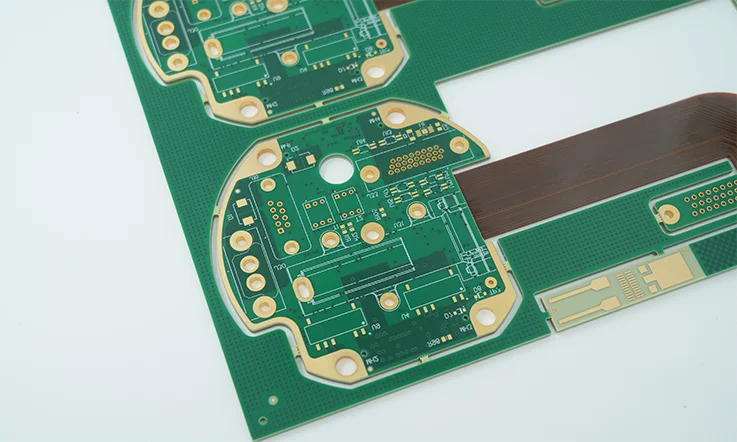
In the fast-evolving world of electronics, performance and reliability are paramount. High-power applications, such as power supplies, electric vehicles, industrial machinery, and RF amplifiers, place extreme demands on printed circuit boards (PCBs). Traditional PCBs often struggle to cope with these requirements, which is where heavy copper PCBs come into play.…
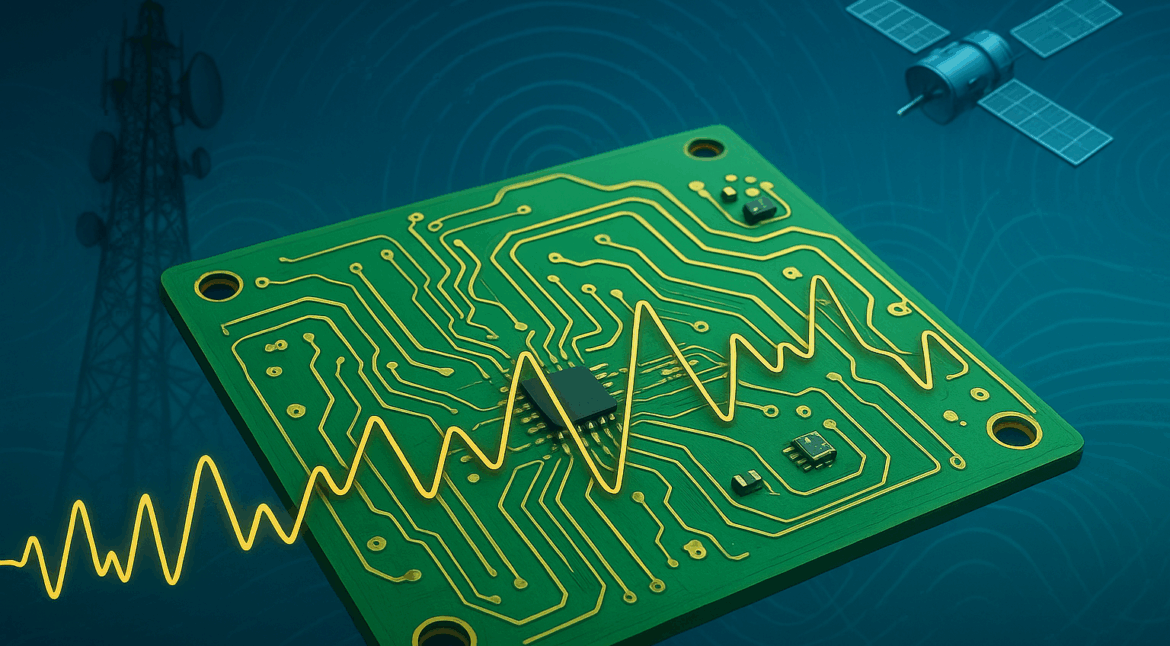
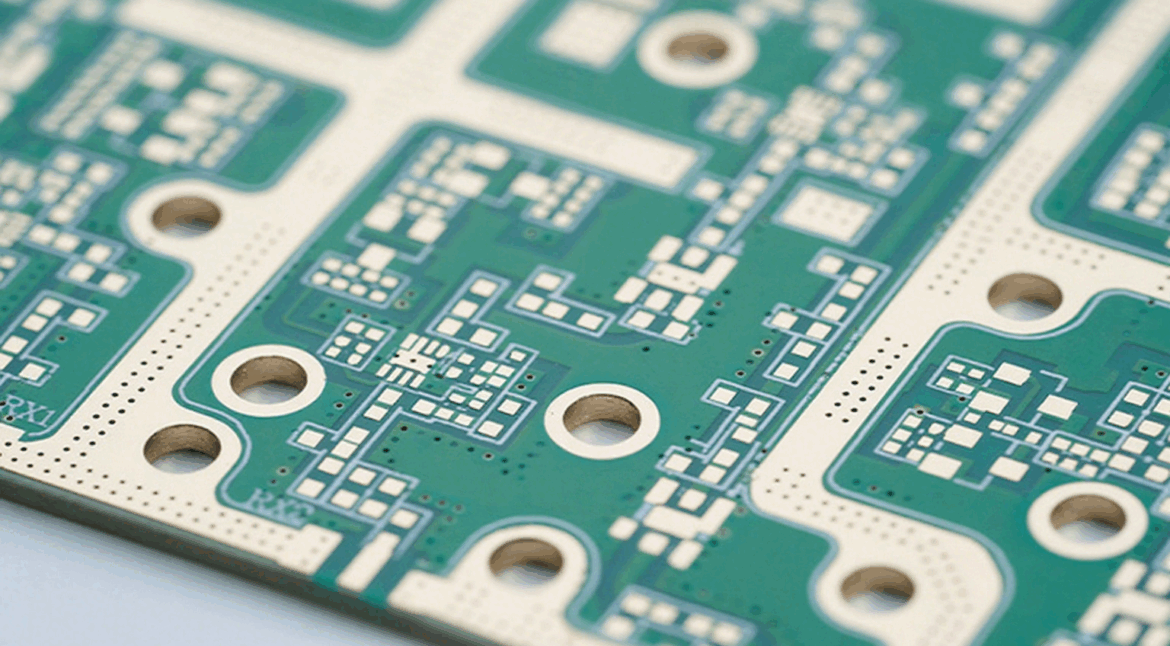
In the fast-evolving world of wireless communication, 5G networks, radar systems, satellite communications, and high-speed data links are pushing electronic designs to new limits. At the heart of these applications lies a critical choice: the substrate material. While standard FR-4 materials suffice for many conventional PCBs, they often fall short…
In the world of PCB manufacturing, surface finishes play a critical role in ensuring solderability, long-term reliability, and overall performance of electronic assemblies. Choosing the right finish is a key decision for designers and manufacturers alike, as it affects not only assembly processes but also product longevity. This article compares…
Copper Thickness (Copper Weight) is a highly important parameter in PCB design and manufacturing, exerting multifaceted influence on the performance and reliability of the final product. In simple terms, copper thickness refers to the thickness of the copper layer on a PCB and is typically expressed in ounces (oz). A…
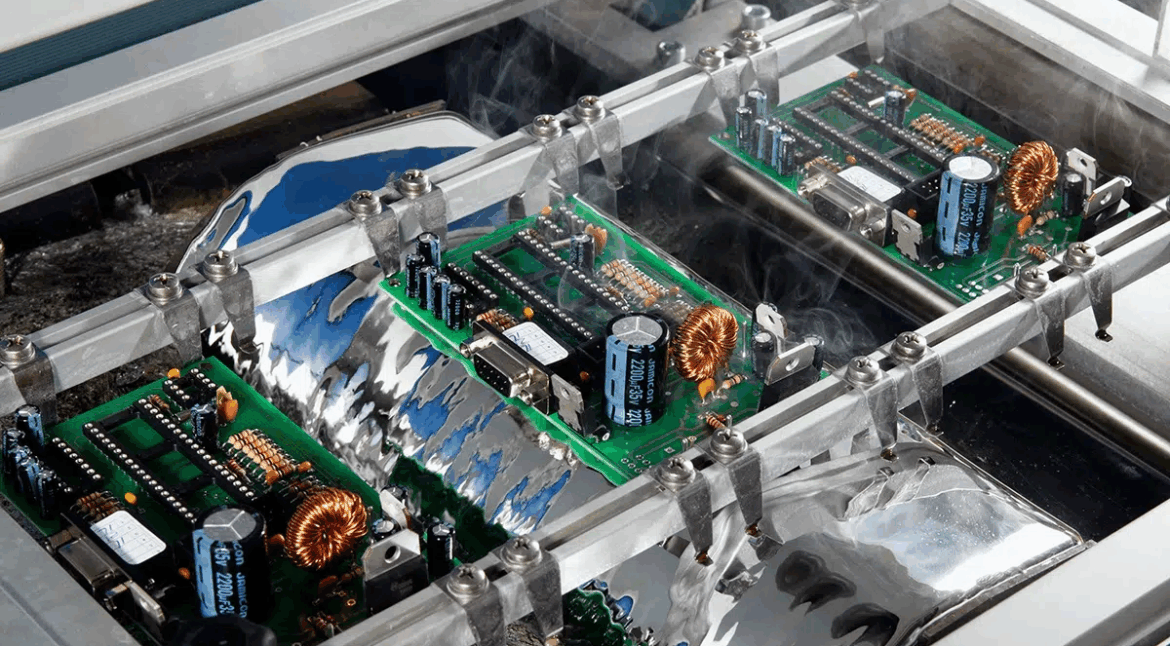
In the field of electronics manufacturing and PCBA, Wave Soldering is a classic yet indispensable automated soldering technology. Especially when dealing with through-hole (THT) components that require high mechanical strength and power handling capabilities, wave soldering plays a critical role that directly impacts the durability and long-term reliability of the…
In the field of electronic manufacturing and PCBA patch processing, the solder mask layer is an indispensable component, which plays a key role in protecting circuit boards and ensuring the reliability of electronic equipment. The role of the solder mask layer of PCB circuit boards 1. Definition of solder mask…