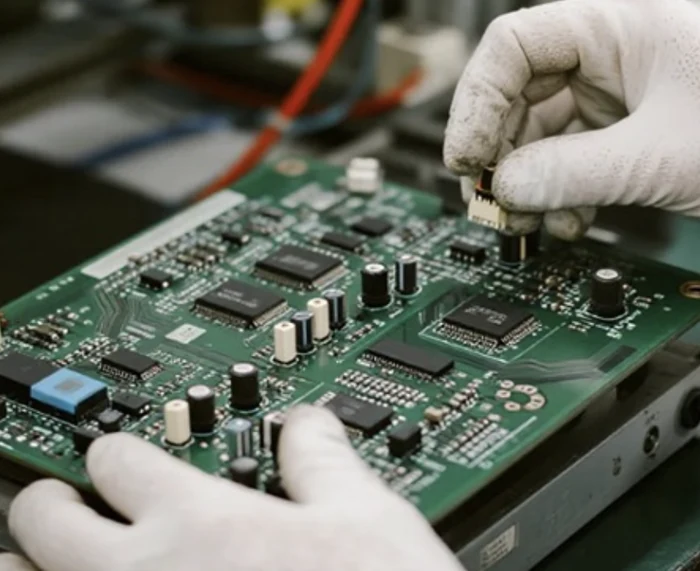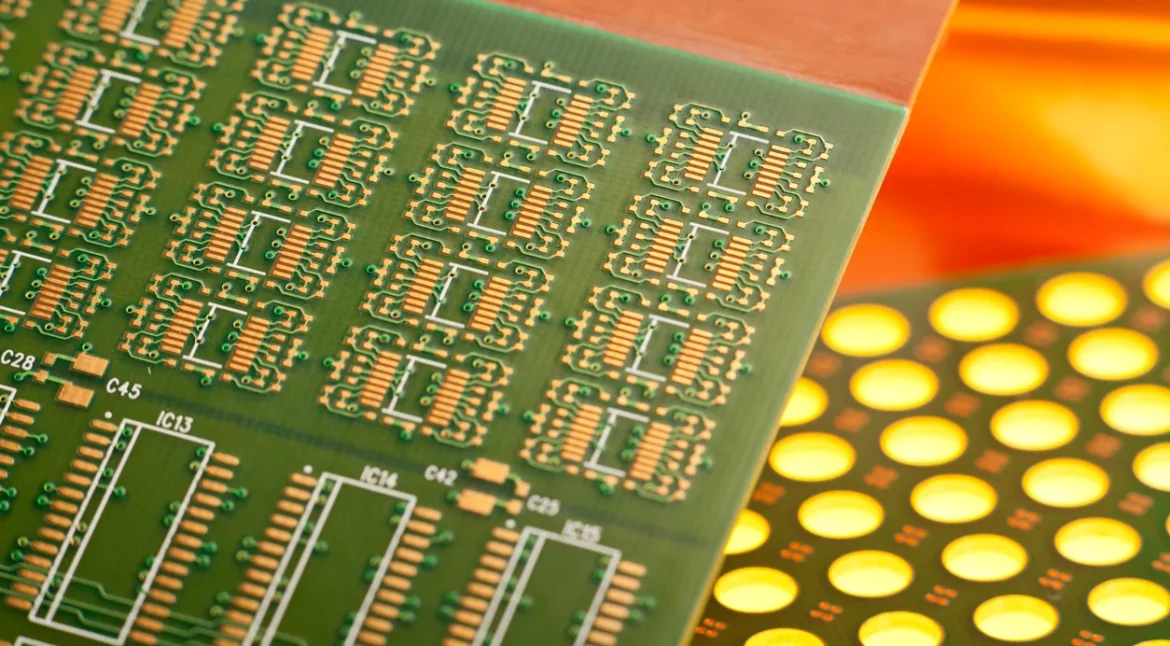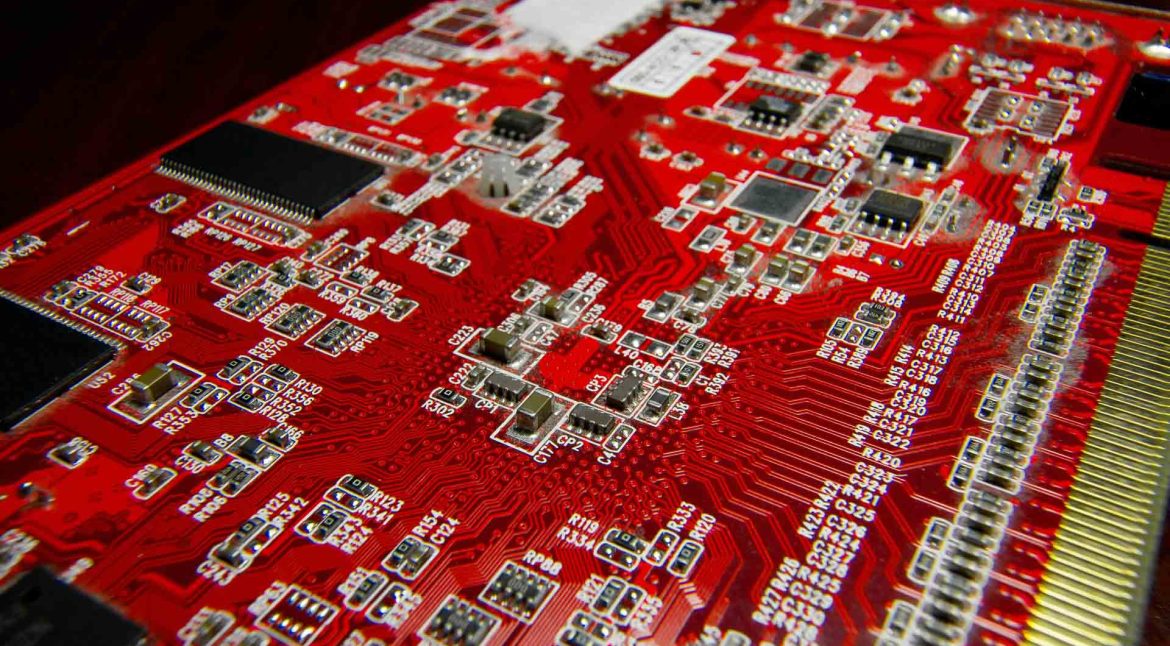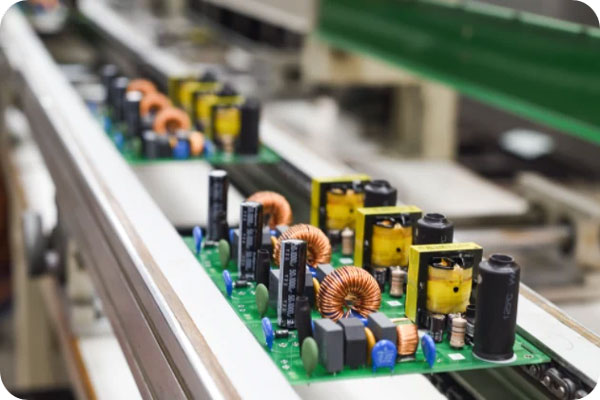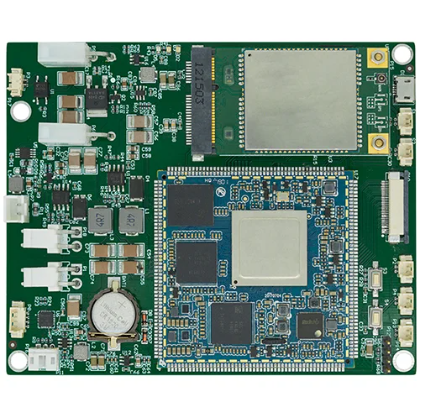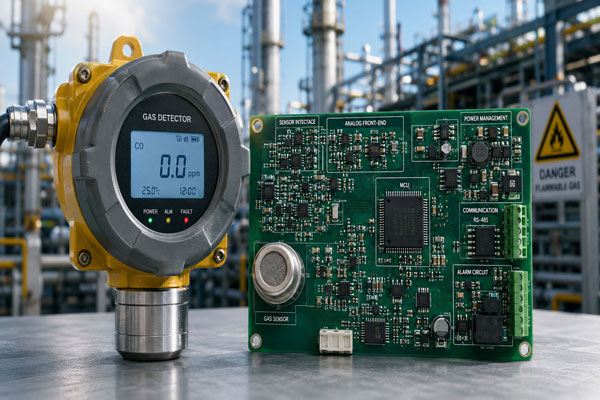
As electronic products continue to expand into automotive, industrial, consumer electronics, telecommunications, medical, and other markets, manufacturers increasingly need high volume PCB assembly capabilities that can deliver consistent quality at scale. Producing thousands, hundreds of thousands, or even millions of circuit boards is not simply a matter of making more…
As electronic devices continue to become smaller, lighter, and more integrated, engineers are increasingly looking for circuit board technologies that can accommodate complex mechanical structures and demanding electrical requirements. The two fundamental categories of printed circuit boards are rigid PCBs and flexible PCBs. A rigid PCB maintains a fixed shape,…
A successful low volume PCB assembly project requires more than placing components on a printed circuit board. When products contain fine-pitch BGA, QFN, 0201 components, double-sided SMT, mixed technology, or HDI PCB structures, manufacturing quality depends on the interaction between PCB fabrication, component selection, solder paste printing, component placement, reflow,…
With the increasing demand for high-efficiency AC-DC conversion systems, industrial equipment such as energy storage inverters, server power supplies, EV charging systems, and industrial automation platforms require high-reliability front-end power supply PCBA solutions. This project focuses on a multi-module AC-DC front-end power supply PCBA, integrating active PFC power factor correction,…
The continuous advancement of electronic technology has driven the demand for smaller, faster, and more reliable electronic products. From smartphones and automotive electronics to industrial automation systems and medical equipment, modern devices rely heavily on advanced PCB Assembly technologies to achieve high performance and long-term reliability. During the PCB manufacturing…
With the rapid growth of energy storage systems (ESS) and high-voltage battery applications, customers increasingly require high-reliability Battery Management System (BMS) PCBAs capable of handling: High voltage (HV) and large current loads Long-term continuous operation Intelligent monitoring and communication Compact multi-board integration This project focuses on a custom multi-board BMS…
Project Overview: Energy Storage Inverter Control PCBA Manufacturing In modern renewable energy infrastructure, the Energy Storage Inverter Control PCBA plays a critical role in ensuring stable power conversion, grid interaction, and intelligent energy management. As global demand for photovoltaic storage systems, industrial microgrids, and hybrid energy platforms continues to increase,…
For many OEMs, electronic systems are expected to remain in service for years — sometimes decades. Over time, however, maintaining these systems becomes increasingly challenging. Components become obsolete, failure rates increase, and support costs continue to rise. When a PCB assembly begins to fail, manufacturers face a critical decision: 👉…
What Is EMI in PCB? Electromagnetic Interference (EMI) in PCB design refers to unwanted electromagnetic noise that disrupts signal integrity and affects circuit performance. EMI can either be emitted from your PCB or received from external sources. In high-speed and RF designs, poor EMI control can lead to: Signal distortion…
What Is PCB Impedance Mismatch? PCB impedance mismatch occurs when the characteristic impedance of a transmission line (trace) does not match the impedance of the source, load, or adjacent interconnects. This mismatch causes part of the signal to be reflected back toward the source instead of being transmitted efficiently. In…