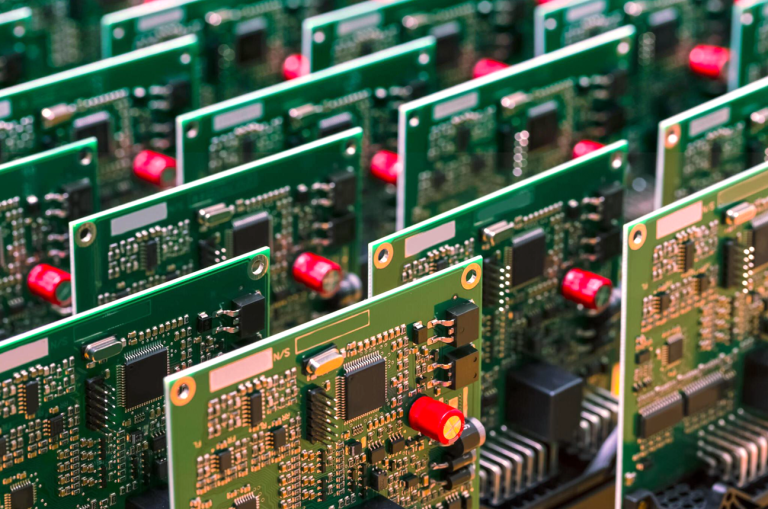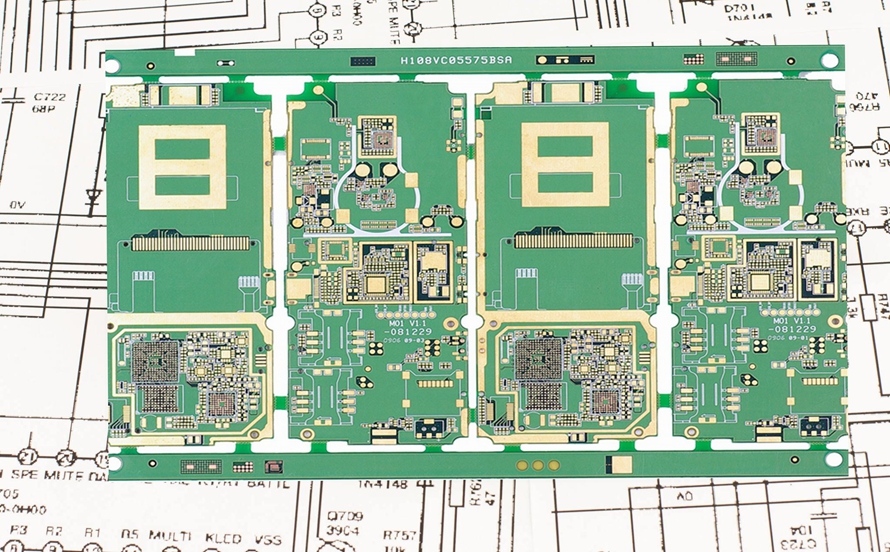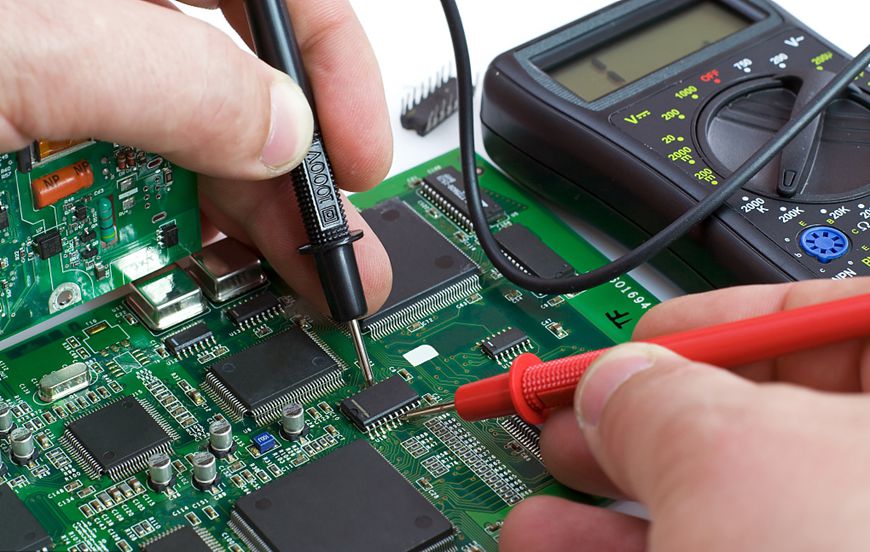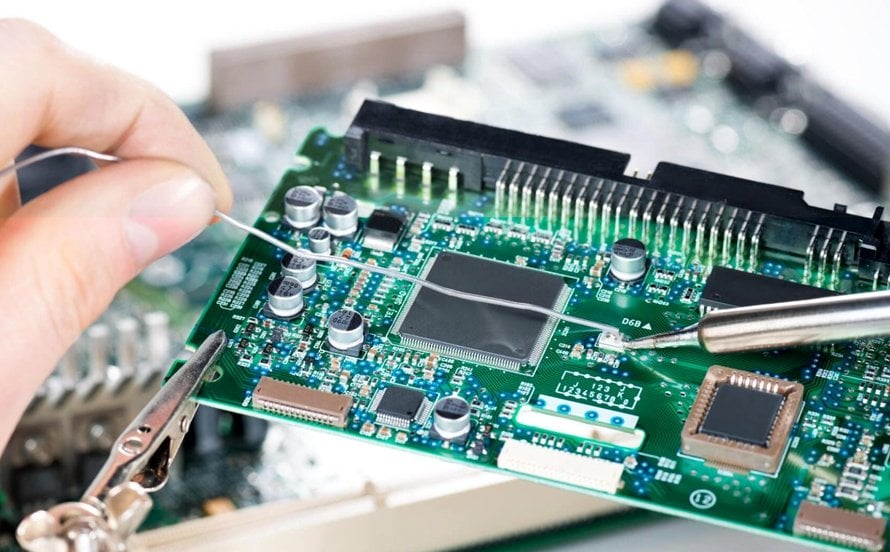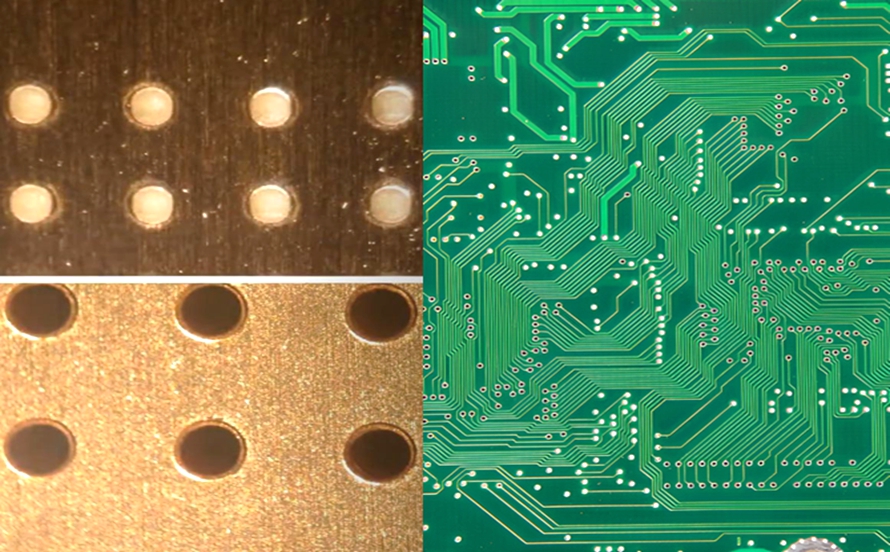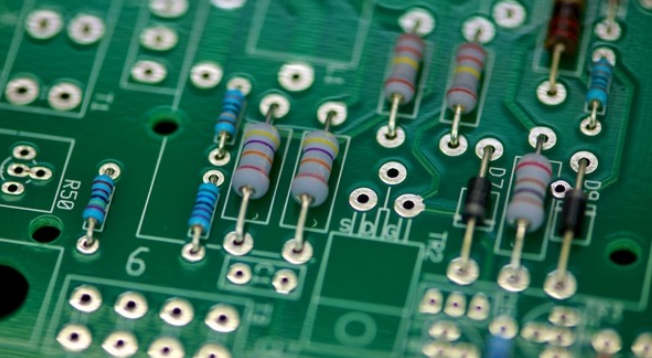
Embedded Chip PCB: Putting Power Devices Inside the Board An embedded chip PCB reverses the usual relationship between a component and its carrier. In a half year report published in August 2026, a Chinese board manufacturer described a technology that embeds power dies directly inside the printed circuit rather than…
Liquid Cooling Server PCB: What Changes at Rack Scale Liquid cooling has stopped being an accessory for a few hot components and become the infrastructure a rack is built around. Research published in August 2026 described the transition as the latest accelerator platform moved to full production, with a completely…
Custom PCB Assembly refers to manufacturing and assembling printed circuit boards according to the specific electrical, mechanical, thermal, environmental, and production requirements of a product. Unlike standardized circuit boards designed for general applications, a Custom PCB is developed around the requirements of a particular electronic system. Customization can involve the…
ABF Substrate Shortage: The Constraint Behind AI Chips The ABF substrate shortage has become the least visible constraint in the artificial intelligence supply chain. Industry surveys in August 2026 reported that demand for Ajinomoto build up film substrates tightened again as graphics processors, custom accelerators and co-packaged optics entered a…
SiC Power Module PCB: Where the Heat Actually Goes A SiC power module PCB cannot be designed in isolation from the substrate beneath it. Industry reporting in August 2026 described work to modify direct bonded copper substrates with hexagonal boron nitride, aiming at the thermal stress and interface reliability problems…
Cryogenic PCB: How Multilayer Boards Work at 11 mK A cryogenic PCB is not a peripheral component in a quantum computer. Research published on 24 August 2026 by Oxford Quantum Circuits described microwave Purcell filters integrated directly into a multilayer board and validated on a thirty five qubit superconducting processor.…
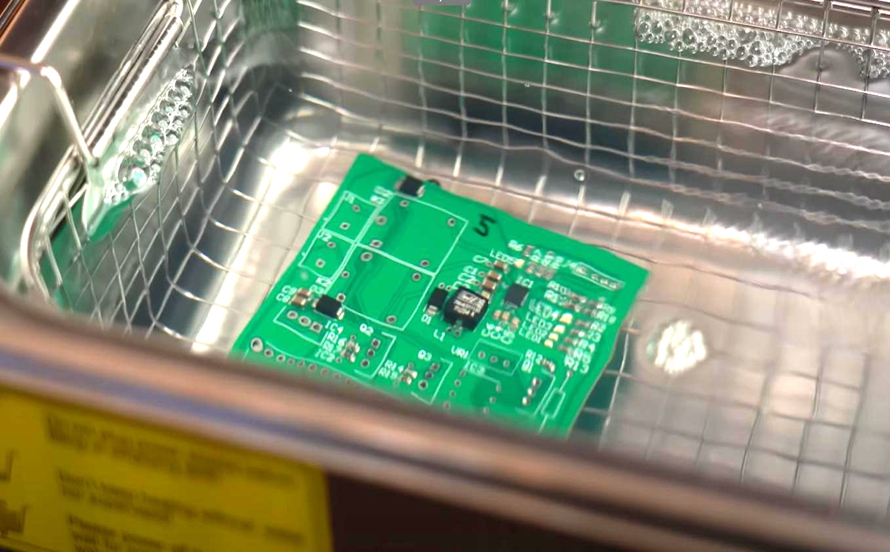
Medical Grade PCB Cleanliness: What 1.56 ug/cm2 Means A medical grade PCB is judged by numbers that never appear on a consumer board, and one of them is ionic residue measured in micrograms per square centimetre. Implantable electronics are pushing that limit toward 1.56 micrograms per square centimetre, a figure…
High-Speed PCB Demand: Why Capacity Is the Real Constraint Industry data published in late August 2026 put global printed circuit production at 85.15 billion dollars in 2025, a rise of 15.8 percent, with a projection of 123.35 billion dollars by 2030. In the same period, forecasters raised expected growth in…
AI Accelerator PCB: Why Training and Inference Diverge At its Cloud Next event in April 2026, Google announced its eighth generation tensor processing units and, for the first time, split a single generation into two systems with different purposes. One is aimed at large scale pretraining and scales to 9,600…
AI Server PCB Demand: What a 95 Billion Dollar Backlog Means Analysis published at the end of August 2026, based on the latest quarterly results from Dell, put AI optimised server revenue at 16.4 billion dollars for a single quarter, roughly double the prior year, with full year guidance raised…