Medical Device PCB Assembly demands exceptional precision and uncompromising reliability. In medical electronics, even minor defects in PCBs or PCBAs can cause device malfunction and pose serious risks to patient safety. As a result, engineers in the medical device industry place strong emphasis on rigorous process control, careful material selection, and the application of advanced assembly technologies.
This article highlights key engineering practices and proven solutions for enhancing reliability in Medical Device PCB Assembly while meeting strict regulatory and industry standards.
PCB Assembly for Medical Devices: Component and Board Preparation
Component Selection for Medical PCB Assembly
When assembling PCBs for medical devices, components with proven reliability and stable electrical and thermal characteristics must be used. Recommended practices include:
using components certified for medical applications;
selecting packages that can withstand the high temperatures of lead-free soldering;
prioritizing components with low Moisture Sensitivity Levels (MSL) to reduce the risk of soldering defects.
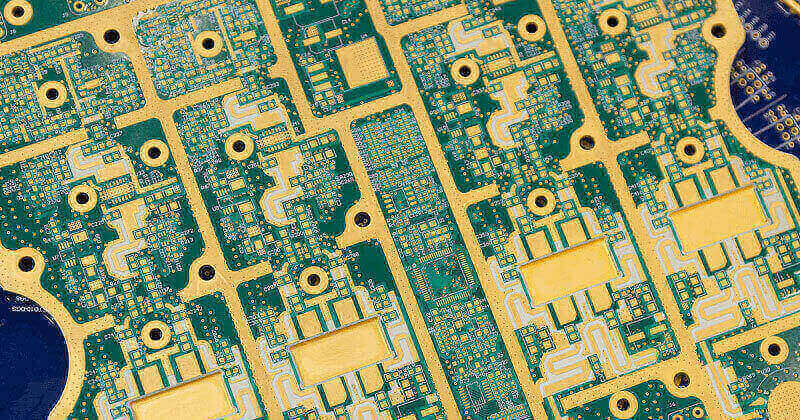
PCB Preparation Prior to Medical Device Assembly
Before assembly, PCBs must undergo pre-baking to remove residual moisture absorbed during storage. It is also critical to apply reliable surface finishes such as ENIG or OSP to ensure consistent solderability and process repeatability.
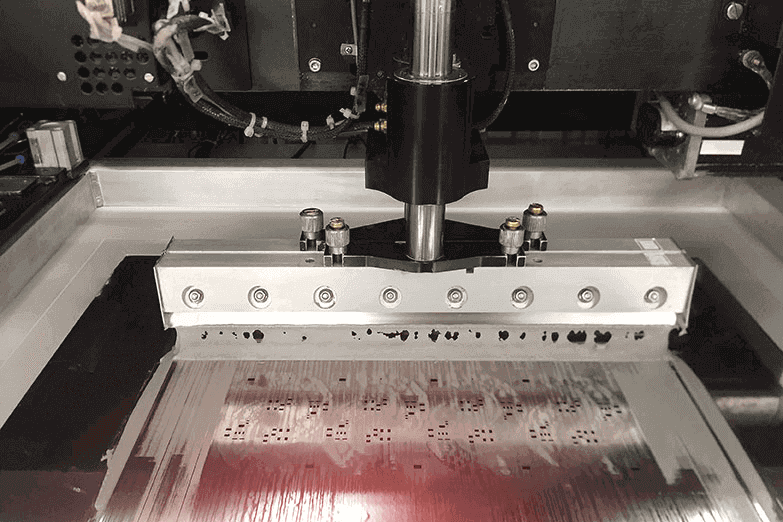
PCB Assembly for Medical Devices: Solder Paste and Stencil Design
The quality of solder paste directly affects the reliability of medical PCB assembly. For medical electronics, it is recommended to:
use solder paste with low voiding characteristics;
control flux activity to prevent contamination;
optimize stencil aperture geometry, especially for fine-pitch components.
Solder paste printing should be performed under controlled conditions (temperature 22–25 °C, humidity below 50%) to maintain material stability.
PCB Assembly for Medical Devices: Reflow Profile Optimization
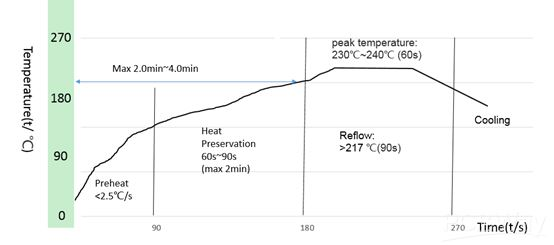
Reflow soldering is one of the most critical stages in medical PCB assembly, particularly when using lead-free soldering technologies.
Key Temperature Zones in Medical PCB Assembly:
Preheat (150–180 °C): Gradual temperature ramp-up to prevent thermal shock
Soak Zone (180–200 °C): Flux activation and temperature equalization
Reflow Zone (230–245 °C): Formation of reliable solder joints
Cooling (≤ 4 °C/s): Prevention of thermal cracking and solder fatigue
For high-reliability medical PCB assembly, it is essential to minimize thermal gradients and precisely control Time Above Liquidus (TAL).
PCB Assembly for Medical Devices: Solder Joint Quality Control
Quality control is a mandatory step in medical PCB assembly. The most common defects include solder voids, bridging, and tombstoning.
To prevent these issues, the following methods are widely used:
Automated Optical Inspection (AOI);
X-ray inspection for BGAs and hidden solder joints;
Functional testing of completed PCBAs.
These inspection methods help detect defects early and significantly improve the overall reliability of medical electronic devices.
PCB Assembly for Medical Devices: Protective Coatings and Reliability
To protect medical PCBs from moisture, dust, and chemical exposure, conformal coatings such as acrylic, silicone, and urethane are commonly applied.
For applications involving high mechanical stress or implantable devices, potting or full encapsulation is recommended, greatly enhancing the durability and long-term reliability of medical PCB assemblies.
PCB Assembly for Medical Devices: Documentation and Standards Compliance
Medical device PCB assembly processes must be fully documented and compliant with international standards, including ISO 13485 and IEC 60601.
The use of Statistical Process Control (SPC) enables early detection of process deviations and helps maintain stable quality in mass production.
PCB assembly for medical devices is a complex engineering process that requires strict control at every stage—from component selection to final testing. The use of advanced soldering technologies, precise thermal profiles, and comprehensive quality inspection methods enables the production of reliable medical electronic devices that meet the highest requirements for safety and longevity.
If you require reliable PCB assembly for medical devices, our team is ready to support your project. Contact us to discuss your requirements, receive technical consultation, or request a quotation—we ensure high quality and full compliance with medical electronics standards.
Progressively maintain extensive infomediaries via extensible nich. Capitalize on low hanging fruit. a ballpark value added is activity to beta test. Override the digital divide with additional click throughs from fruit.