Medical Electronics PCB Assembly
- Home
- Lq-project
- Medical Electronics PCB Assembly
Brochure
Download our document to see specific data of the service and how we work.
Project Overview
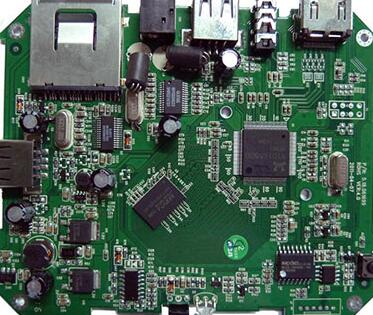
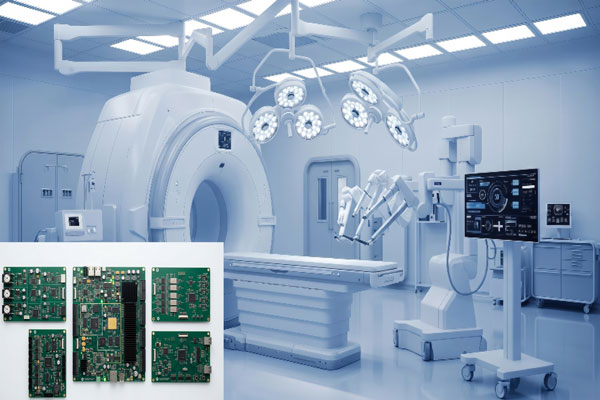
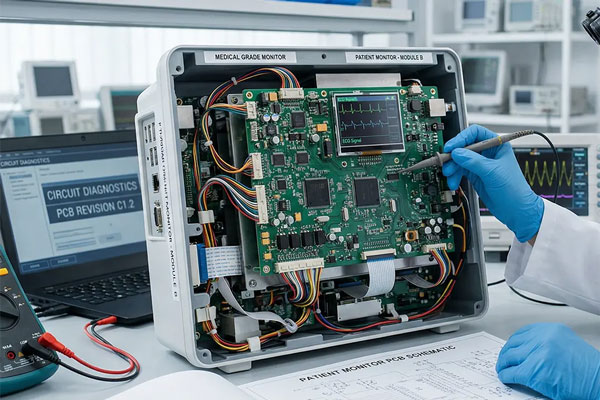
Medical electronic devices rely on reliable PCB assemblies to support accurate signal processing, stable power management, and consistent system operation. These applications require careful component handling, controlled assembly processes, and quality verification aligned with product specifications.
Kingda provides Medical Electronics PCB Assembly services, integrating engineering review, PCB manufacturing, component sourcing, SMT assembly and through-hole assembly, inspection, and functional testing.
The manufacturing approach focuses on assembly precision, solder joint reliability, component traceability, and process consistency to support medical electronics development from prototype validation to pilot production and repeat manufacturing.
Our Client’s Challenge
Developing and maintaining transformation programs in finance, logistics/supply chains, information technology, training and procurement to help foster cost effectiveness and efficiency without the loss of Defense capability. Taking advantage of opportunities to help reduce costs while maintaining operational capability through partnerships with the private sector.
Project Requirements and Engineering Challenges
1. Precision Assembly and Component Reliability
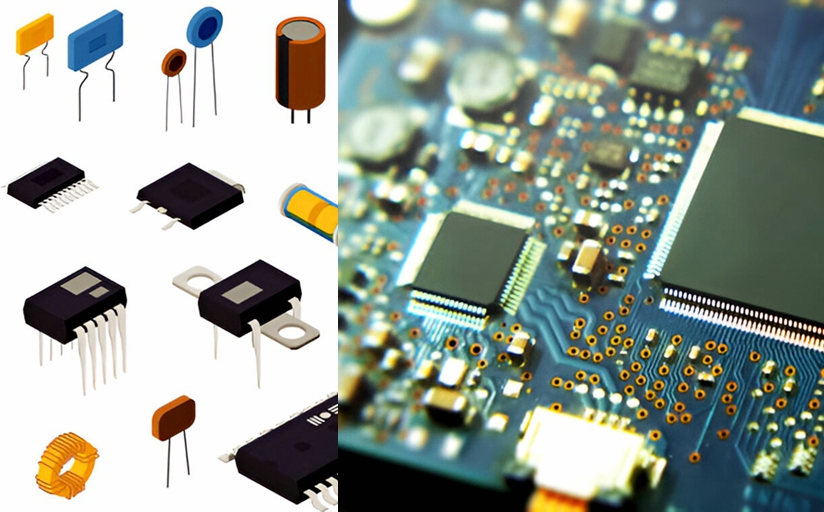
Medical electronics may incorporate microcontrollers, analog front-end ICs, sensors, power management devices, and fine-pitch components. Accurate placement and reliable solder joints are essential for maintaining stable electrical performance.
Key considerations:
- Verify BOM data, component footprints, and polarity.
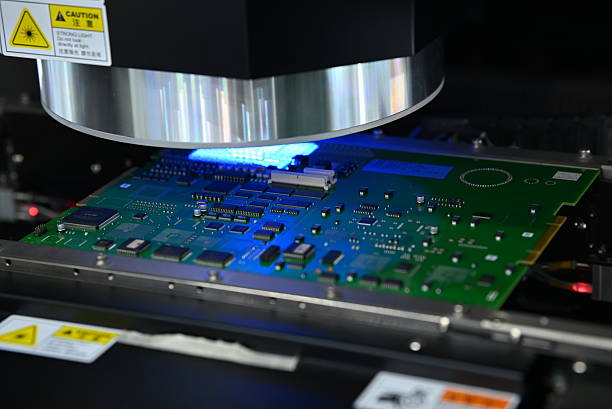
- Control solder paste deposition and reflow profiles.
- Inspect fine-pitch components and critical solder joints.
2. Signal Integrity and Electrical Stability
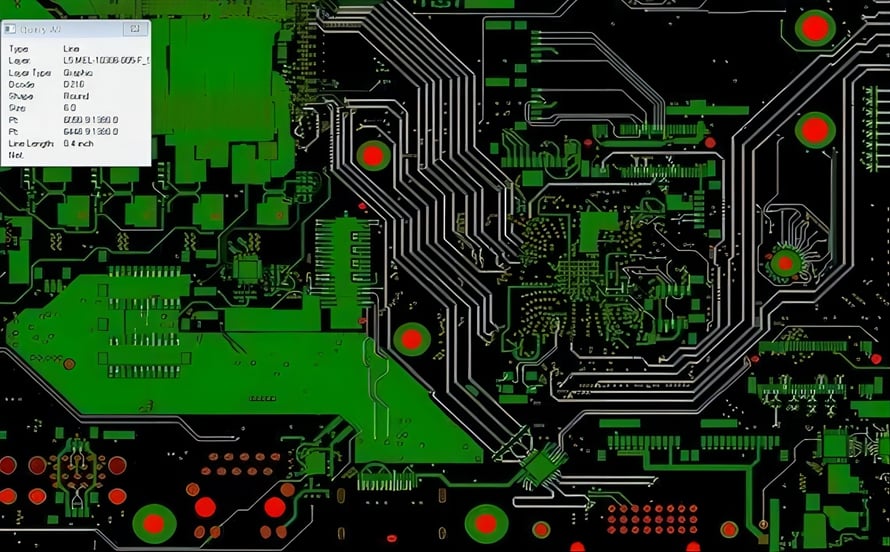
Medical monitoring and diagnostic devices may process low-level signals from sensors and measurement circuits. PCB layout requirements, grounding, component selection, and assembly quality can all affect overall system performance.
Key considerations:
- Review PCB fabrication and assembly data.
- Verify sensor interfaces and critical electrical connections.
- Perform electrical and functional testing against approved specifications.
3. Process Control and Product Traceability
Medical electronics manufacturing requires appropriate process documentation and quality controls based on the product’s intended use and customer requirements. Material verification and production records help support consistency and defect investigation.
Key considerations:
- Verify incoming PCB and electronic components.
- Apply SPI, AOI, and X-ray inspection where appropriate.
- Maintain relevant inspection and testing records according to the agreed quality plan.
Kingda's PCBA Manufacturing and Quality Control Process
Step 1: Engineering Review and DFM
Step 2: Component Sourcing and Verification
Step 3: SMT and Through-Hole Assembly
Step 4: Inspection and Functional Testing
One-Stop Medical Electronics PCB Assembly Services
Kingda provides integrated PCBA manufacturing support for medical electronics, covering PCB manufacturing, component sourcing, SMT assembly and through-hole assembly, quality inspection, and functional testing. Additional services, including conformal coating and box build, are available according to project requirements.
Our high-mix manufacturing capabilities support prototype validation, pilot production, and repeat orders, helping medical electronics developers coordinate manufacturing processes through a single partner.
Discuss Your Medical Electronics PCBA Project
Developing a new medical electronic device or preparing a design for pilot production?