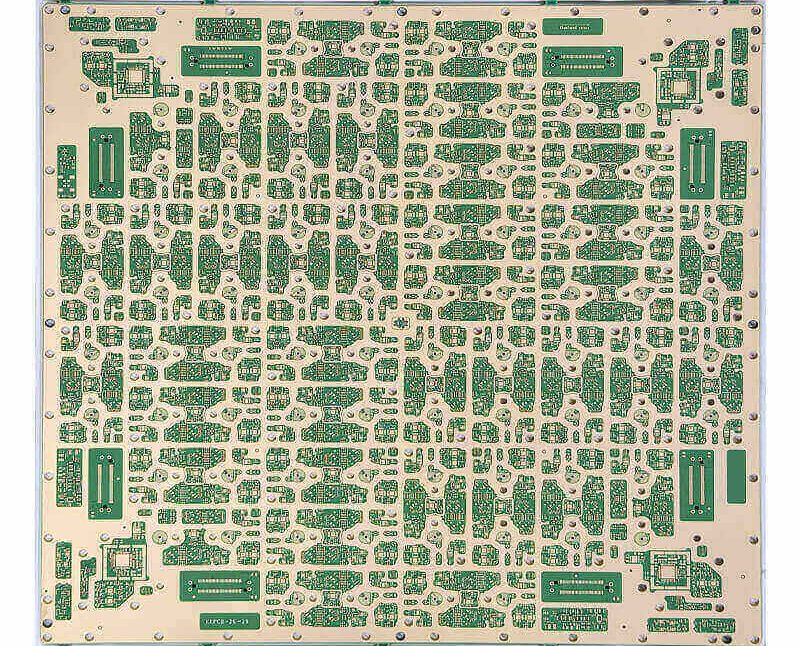
PCB Directional Coupler Design: What Matters on the Production Line Buyers and engineers often focus on the finished product and forget the production line behind it. In practice, most field failures can be traced back to process decisions made during assembly. Understanding PCB directional coupler design gives you a practical…
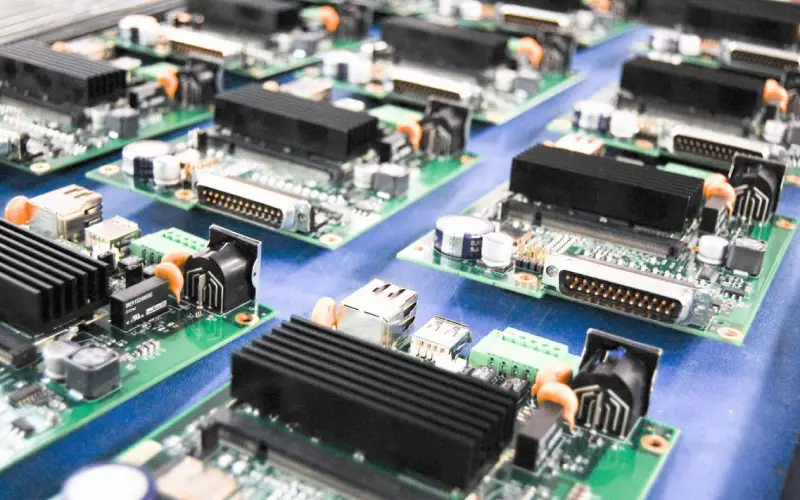
PCB Filter Component Self Resonance: From Prototype to Volume Production Modern electronics depend on boards that are assembled correctly the first time. Every product – a phone, a charger, a medical instrument or an industrial controller – relies on thousands of solder joints that must conduct current for years. This…
Microstrip, Stripline and Coplanar Waveguide for RF Transmission Line Design Wireless capability is now expected in almost every product, and the radio section of the board is where analog layout discipline matters most. Above a few hundred megahertz the copper is no longer a connection; it is a transmission line…
PCB Thermal Relief on a Plane: Soldering to Big Copper A ground plane is a good neighbor to a circuit. It carries return current, shields sensitive traces, and spreads heat away from hot parts. Then a through-hole pin lands on that plane, and the same copper that helps the circuit…
PCB Buck Converter Layout Rules: Where the Current Loops A buck converter works because energy moves in short pulses. The input capacitor supplies a tight burst of current each time the high side switch turns on. That burst flows through a physical loop of copper, and the area of that…
PCB Ground Bounce in A Package: The Ground That Moves Electronics manufacturing has become a discipline of small details. Solder paste volumes, placement accuracy, temperature profiles and inspection limits all add up to the final result. This guide looks at PCB ground bounce in a package from the perspective of…
PCB Pull Up Resistor Sizing: What Buyers and Engineers Should Check Modern electronics depend on boards that are assembled correctly the first time. Every product – a phone, a charger, a medical instrument or an industrial controller – relies on thousands of solder joints that must conduct current for years.…
PCB Level Shifting Between Rails: What Buyers and Engineers Should Check Buyers and engineers often focus on the finished product and forget the production line behind it. In practice, most field failures can be traced back to process decisions made during assembly. Understanding PCB level shifting between rails gives you…
PCB Clock Skew Budget: Design, Process, and Quality Notes Modern electronics depend on boards that are assembled correctly the first time. Every product – a phone, a charger, a medical instrument or an industrial controller – relies on thousands of solder joints that must conduct current for years. This article…
PCB DLL Clock Routing: Design and Assembly Considerations Electronics manufacturing has become a discipline of small details. Solder paste volumes, placement accuracy, temperature profiles and inspection limits all add up to the final result. This guide looks at PCB DLL clock routing from the perspective of a PCBA factory floor,…