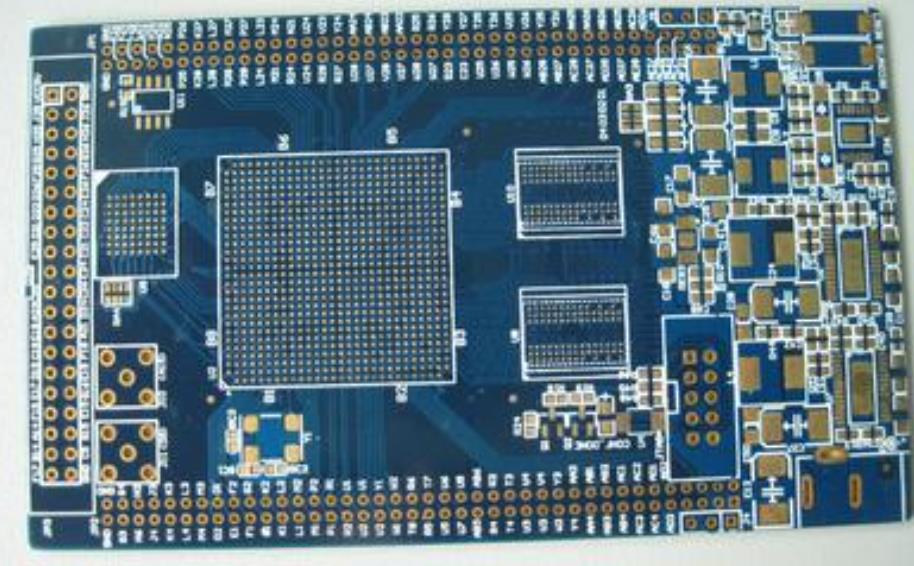
PCB Wave Solder Chip Wave and Main Wave: Two Waves, Two Jobs Buyers and engineers often focus on the finished product and forget the production line behind it. In practice, most field failures can be traced back to process decisions made during assembly. Understanding PCB wave solder chip wave and…
PCB Wave Solder Wave Height and Shape: Setting the Wave Electronics manufacturing has become a discipline of small details. Solder paste volumes, placement accuracy, temperature profiles and inspection limits all add up to the final result. This guide looks at PCB wave solder wave height and shape from the perspective…
PCB Wave Solder Pot Alloy Choice: Which Alloy in the Pot Buyers and engineers often focus on the finished product and forget the production line behind it. In practice, most field failures can be traced back to process decisions made during assembly. Understanding PCB wave solder pot alloy choice gives…
PCB Glue Dot Dispensing for Wave Solder: Holding Parts for the Wave Modern electronics depend on boards that are assembled correctly the first time. Every product – a phone, a charger, a medical instrument or an industrial controller – relies on thousands of solder joints that must conduct current for…
PCB Second Side Part Retention: Keeping Parts On Buyers and engineers often focus on the finished product and forget the production line behind it. In practice, most field failures can be traced back to process decisions made during assembly. Understanding PCB second side part retention gives you a practical advantage…
PCB Double Sided Reflow: Two Passes, Two Sides Buyers and engineers often focus on the finished product and forget the production line behind it. In practice, most field failures can be traced back to process decisions made during assembly. Understanding PCB double sided reflow gives you a practical advantage when…
PCB Reflow Profile for A Heavy Board: Heating a Big Mass Buyers and engineers often focus on the finished product and forget the production line behind it. In practice, most field failures can be traced back to process decisions made during assembly. Understanding PCB reflow profile for a heavy board…
PCB Conveyor Width and Support: Carrying the Board Modern electronics depend on boards that are assembled correctly the first time. Every product – a phone, a charger, a medical instrument or an industrial controller – relies on thousands of solder joints that must conduct current for years. This article explains…
PCB Oven Temperature Verification: Proving the Zone Is Right Modern electronics depend on boards that are assembled correctly the first time. Every product – a phone, a charger, a medical instrument or an industrial controller – relies on thousands of solder joints that must conduct current for years. This article…
PCB Reflow Belt Speed: Time in the Oven Electronics manufacturing has become a discipline of small details. Solder paste volumes, placement accuracy, temperature profiles and inspection limits all add up to the final result. This guide looks at PCB reflow belt speed from the perspective of a PCBA factory floor,…