PCB Cleaning Chemistry Environment: Where It Happens Buyers and engineers often focus on the finished product and forget the production line behind it. In practice, most field failures can be traced back to process decisions made during assembly. Understanding PCB cleaning chemistry environment gives you a practical advantage when you…
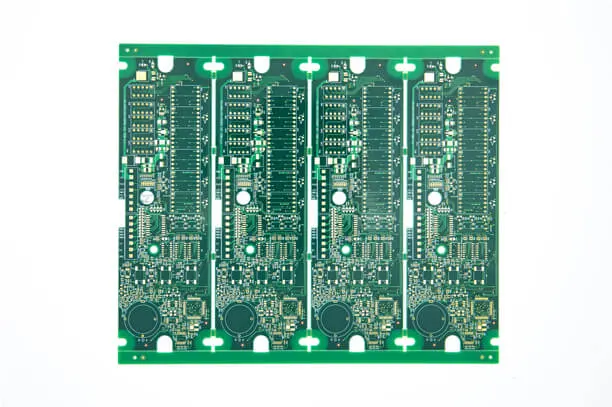
PCB Cleaning Chemistry Timing: How Long It Takes Buyers and engineers often focus on the finished product and forget the production line behind it. In practice, most field failures can be traced back to process decisions made during assembly. Understanding PCB cleaning chemistry timing gives you a practical advantage when…
PCB Cleaning Chemistry Handover: Passing It On Modern electronics depend on boards that are assembled correctly the first time. Every product – a phone, a charger, a medical instrument or an industrial controller – relies on thousands of solder joints that must conduct current for years. This article explains PCB…
PCB Cleaning Chemistry Specification: Writing It Precisely Cleaning chemistry is often described in conversation and rarely written down. That gap causes trouble when shifts change, suppliers change, or a field return needs a cause. A written specification turns intent into something an operator can follow and an auditor can check.…
PCB Cleaning Chemistry Sample: Checking a Small Piece Buyers and engineers often focus on the finished product and forget the production line behind it. In practice, most field failures can be traced back to process decisions made during assembly. Understanding PCB cleaning chemistry sample gives you a practical advantage when…
PCB Cleaning Chemistry Risks: What Could Go Wrong Modern electronics depend on boards that are assembled correctly the first time. Every product – a phone, a charger, a medical instrument or an industrial controller – relies on thousands of solder joints that must conduct current for years. This article explains…
PCB Cleaning Chemistry Review: A Second Look Cleaning chemistry is one of the quiet decisions on an assembly line. It rarely appears in a quotation breakdown, yet it decides whether flux residue becomes a field failure or a harmless trace. A second look at the chemistry is worth the time,…
PCB Cleaning Chemistry Plan: Laying It Out First Modern electronics depend on boards that are assembled correctly the first time. Every product – a phone, a charger, a medical instrument or an industrial controller – relies on thousands of solder joints that must conduct current for years. This article explains…
PCB Cleaning Chemistry Data: Reading the Numbers Residue left after soldering rarely announces itself. It sits under a component, creeps along a fine pitch lead, or slowly attacks a pad until a field return appears months later. Cleaning chemistry data is how a factory turns that invisible risk into a…
PCB Cleaning Chemistry Limits: Where the Edges Are Buyers and engineers often focus on the finished product and forget the production line behind it. In practice, most field failures can be traced back to process decisions made during assembly. Understanding PCB cleaning chemistry limits gives you a practical advantage when…