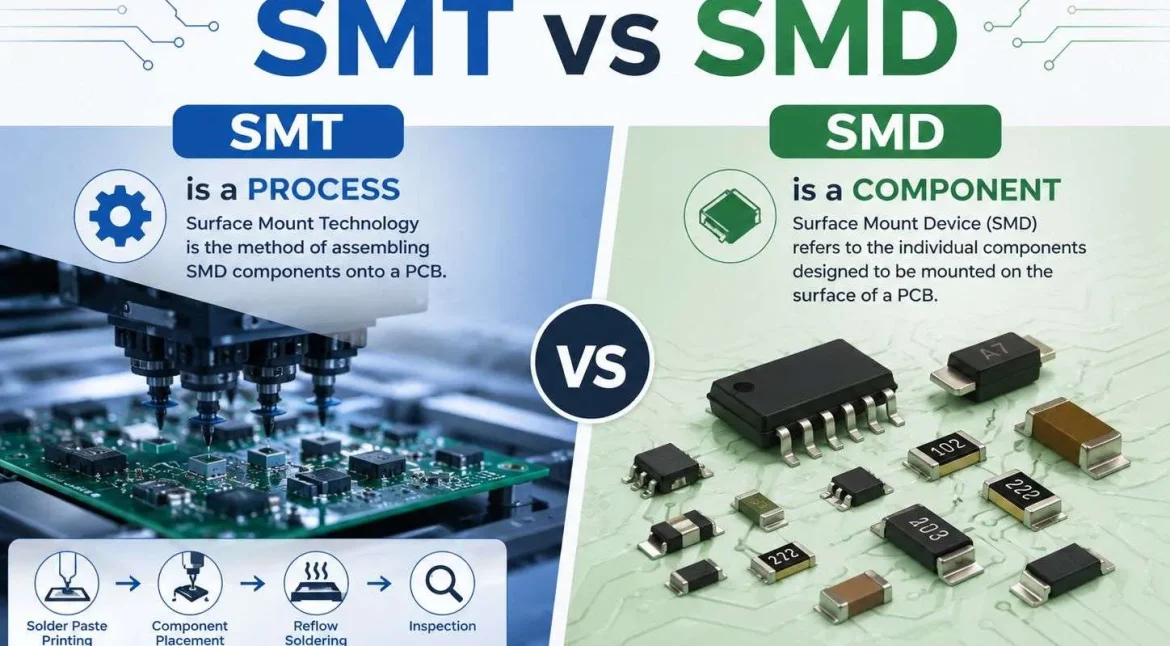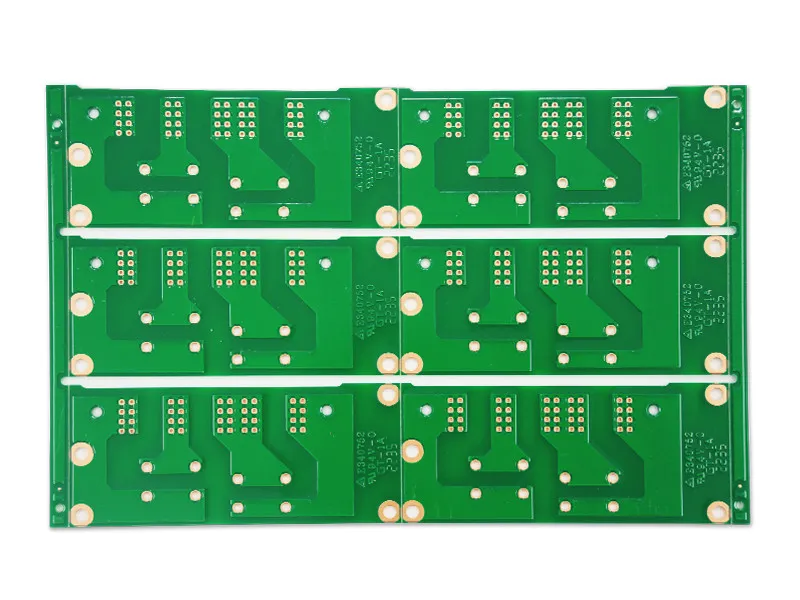
Conveyor Rollers on an Etch Line: 4 Checks for Even Tracking Conveyor rollers are the part of an etch line that carries the panel through the chemistry at a controlled rate. Their condition decides whether the panel arrives at the exit when the process expects it, and whether it arrives…
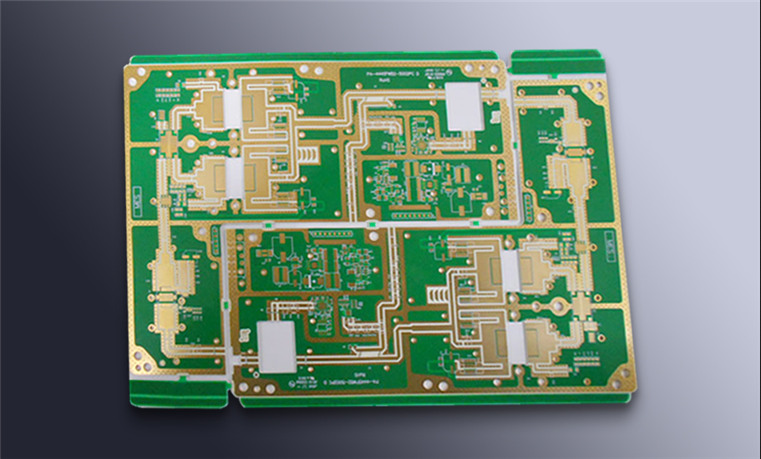
Drill Room Humidity: 4 Checks for Dust and Tool Life Drill room humidity is an environmental parameter that does not appear on any drilling program, and it influences almost everything the machine does. It sets how much dust clings to the panel, how much static builds on the stack and…
Permanganate Sludge Control: 4 Checks for a Clean Desmear Line Permanganate sludge is the solid material that forms as a permanganate desmear bath does its work. It is a normal product of the reaction rather than a fault, and managing it is one of the duties that decides whether the…
Solder Mask Ink Deaeration: 4 Checks for a Bubble-Free Print Solder mask ink deaeration is the step that lets trapped air escape from the ink before it is printed. Air enters whenever the ink is stirred, poured or pumped, and it leaves slowly, which is why the rest period after…
OSP Pre-Treatment: 4 Checks Before the Coating OSP pre-treatment is the sequence that prepares bare copper for an organic solderability preservative. The coating is thin, transparent and chemically bonded to the metal, so it can only be as uniform as the surface it is applied to. Because the finish is…
PCB Desmear Cost: Design and Assembly Considerations Modern electronics depend on boards that are assembled correctly the first time. Every product – a phone, a charger, a medical instrument or an industrial controller – relies on thousands of solder joints that must conduct current for years. This article explains PCB…
Dry Film Exposure Energy: Reading the Step Wedge Exposure energy is the amount of light that reaches the resist during imaging, expressed in millijoules per square centimetre. It decides how completely the resist reacts, and therefore how well it survives development and how faithfully it defines the pattern. The difficulty…
Controlled Depth Milling: Cavity Depth Tolerance in Rigid PCBs Controlled depth milling removes material from a rigid board without cutting through it, leaving a floor of laminate at a defined depth. It is used for component cavities, for pockets that recess a connector or a shield, for blind slots that…
Solder Mask Edge Bead: Formation, Removal and Coating Uniformity When solder mask is applied to a panel, the coating builds up at the outermost edge of the board or array and forms a raised rim that is thicker than the rest of the film. That rim is the solder mask…
Robotic Soldering: Programming Tip Temperature, Dwell and Wire Feed Robotic soldering sits between hand assembly and wave or selective soldering: a programmed iron, a motorised wire feeder and a positioner make the same joint the same way on every board. It is chosen when a product has a small number…