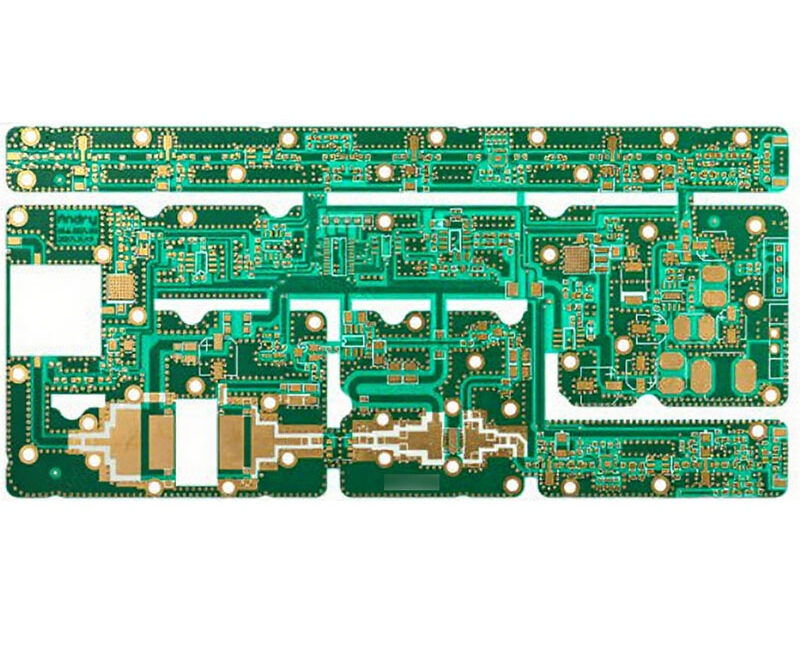
Mask Window Design: 5 Rules for Solder Mask Openings A mask window is the opening in the solder mask that exposes the copper pad, and its size decides how much bare metal the process leaves around the joint. Too small a window and solder cannot wet the full pad; too…

Immersion Heater Failure: 5 Signs in a Solder Pot An immersion heater is the element that melts and holds the alloy in a solder pot, usually housed in a tube of stainless steel that sits in the bath. Heat passes through the tube wall into the alloy, so the tube…
PCB First Pass Yield Review: A Practical Review for Manufacturing Teams Modern electronics depend on boards that are assembled correctly the first time. Every product – a phone, a charger, a medical instrument or an industrial controller – relies on thousands of solder joints that must conduct current for years.…
X-Ray Tube Ageing: 5 Signs Image Quality Is Falling An x-ray tube ages from the first shot, and the change is gradual enough that a line can lose inspection capability without anyone noticing. The focal spot grows, the output falls for the same settings and the image becomes softer. Void…
Silkscreen Ink Curing: 6 Controls for Legible, Durable Legends Silkscreen ink is the last layer applied to a bare board, and it carries the information an assembly line and a service technician rely on. It has to be legible at the size the design allows, it has to bond to…
Barrel Cracks in Plated Holes: 6 Causes After Thermal Cycling A barrel crack is a fracture in the copper plating inside a plated through hole, usually running around the circumference or along the length of the barrel. It appears after thermal cycling rather than at manufacture, which is what makes…
Plating Additives in Copper Plating: 6 Ways to Hold the Balance Plating additives are the organic chemicals that turn a simple copper sulphate solution into a bath capable of plating a smooth, fine grained deposit into a drilled hole. They are present in very small concentrations, they are consumed continuously,…
Solder Paste Inspection: 6 Ways to Use the Data on the Line Solder paste inspection measures every printed deposit before the board reaches the placement machine, reporting volume, area and height against the aperture that produced it. It is the only inspection point on an SMT line that sees the…
Date Code: 6 Rules for Incoming Inspection and Rotation A date code is the marking that tells you when a component was made, usually as a year and week on the reel label, the bag label and often the package itself. It is the cheapest traceability tool available at goods-in,…
Stencil Thickness: Matching Foil to Paste Volume Stencil thickness is the one printing variable that sets both the height of every deposit and the smallest aperture that can be printed reliably. It is fixed when the stencil is ordered, so a decision made from a default value at the start…