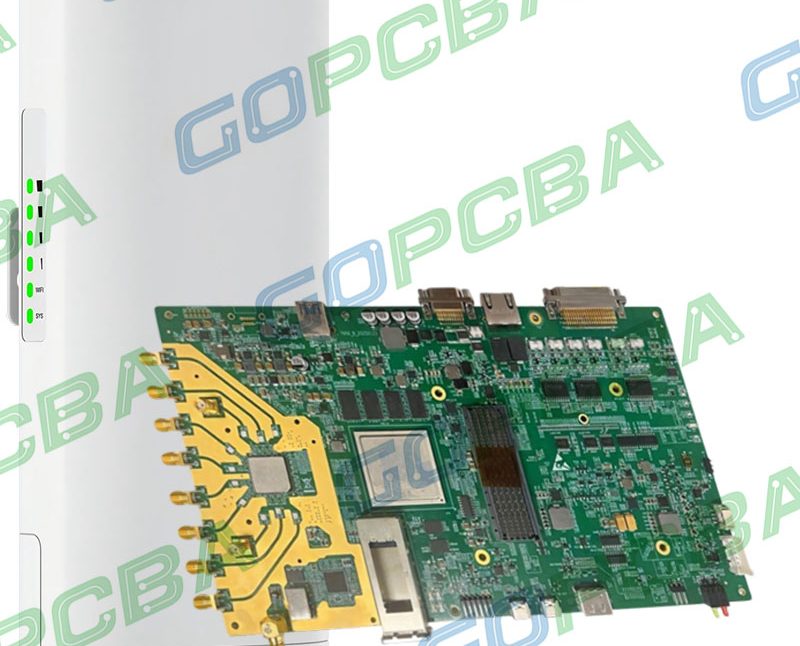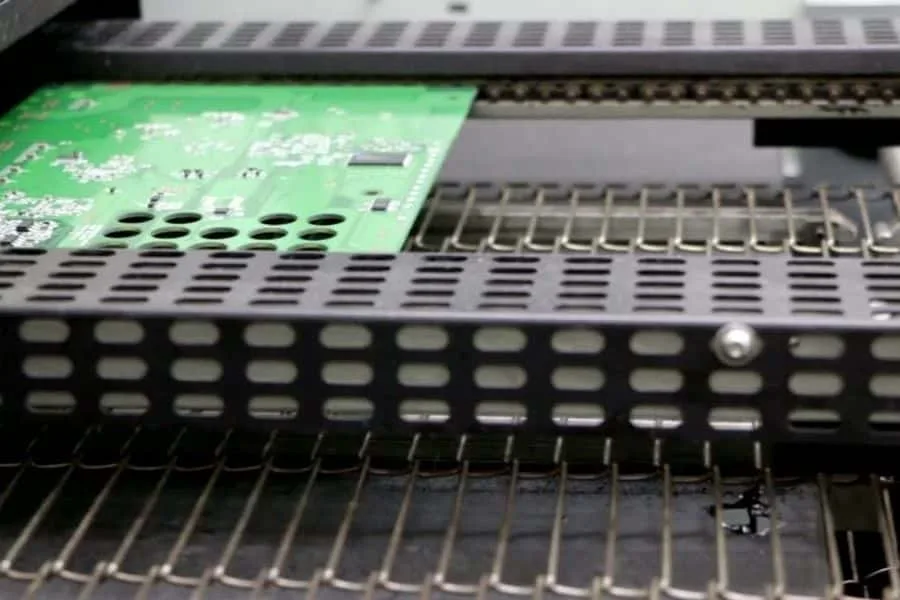
PCB Scrap Traceability: What Matters on the Production Line Electronics manufacturing has become a discipline of small details. Solder paste volumes, placement accuracy, temperature profiles and inspection limits all add up to the final result. This guide looks at PCB scrap traceability from the perspective of a PCBA factory floor,…
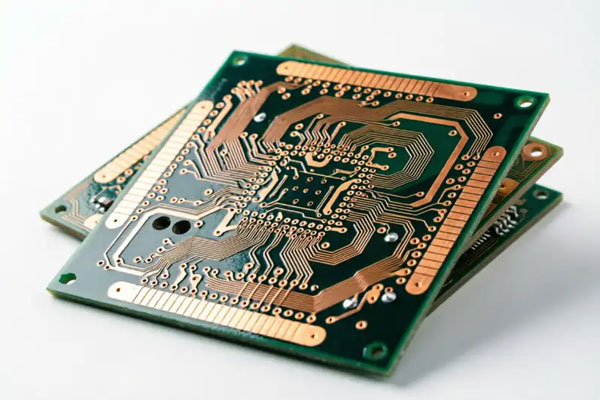
PCB Scrap Environment: What Matters on the Production Line Electronics manufacturing has become a discipline of small details. Solder paste volumes, placement accuracy, temperature profiles and inspection limits all add up to the final result. This guide looks at PCB scrap environment from the perspective of a PCBA factory floor,…

PCB Scrap Timing: From Prototype to Volume Production Buyers and engineers often focus on the finished product and forget the production line behind it. In practice, most field failures can be traced back to process decisions made during assembly. Understanding PCB scrap timing gives you a practical advantage when you…
Flying Probe Testing vs Fixture Test: 6 Rules to Choose Flying probe testing and fixture testing both check that a bare board matches its netlist, and they get there in completely different ways. A prober moves a small number of heads across the panel and measures nets one at a…
Solder Mask Haloing: 6 Causes and How to Limit It Solder mask haloing is the pale ring that appears in the mask around a pad, a via or a plated hole, where the resin beneath the coating has changed appearance. The mask itself is intact and the board passes adhesion…
PCB Scrap Handover: Passing It On Modern electronics depend on boards that are assembled correctly the first time. Every product – a phone, a charger, a medical instrument or an industrial controller – relies on thousands of solder joints that must conduct current for years. This article explains PCB scrap…
Lead Clinching in Through-Hole Assembly: 6 Rules That Hold Lead clinching is the practice of bending a through-hole component lead after insertion so that the part stays in place until it is soldered. The bend holds the component against the board, keeps it from falling out during handling and, in…
PCB Scrap Specification: Practical Process Controls Buyers and engineers often focus on the finished product and forget the production line behind it. In practice, most field failures can be traced back to process decisions made during assembly. Understanding PCB scrap specification gives you a practical advantage when you choose a…
Solder Paste Stringing: 7 Causes at Stencil Lift Solder paste stringing is the fine thread of paste left between the stencil and the deposit when the two separate. The thread stretches, breaks and falls, sometimes onto the mask beside the pad, sometimes back across the deposit as a ridge. On…
Bow and Twist: 5 Rules for Measuring PCB Flatness Bow and twist are the two ways a printed circuit board fails to be flat, and they are measured separately because they come from different causes. Bow is a curvature across the board, so the whole panel bends like a shallow…