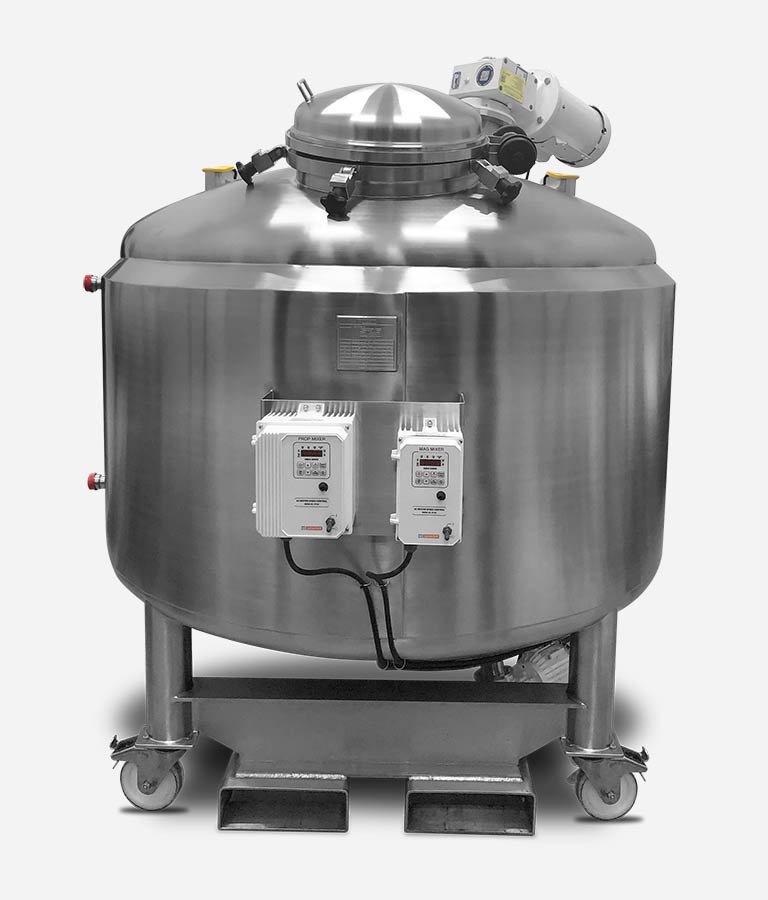
Solder Pot Contamination Control: Sampling, Dissolution and Sludge A solder pot is a chemical reactor that nobody designed as one. Every board adds copper, every lead adds its plating, and the alloy that started the shift inside specification drifts towards a composition that no longer wets the way the profile…
Dimensional Verification of Assembled Boards An assembled board has dimensions, and they matter as soon as it has to fit into an enclosure, sit on a mating connector, or pass a camera module through a hole. Dimensional verification on an assembly is different from dimensional inspection of a bare board,…
Gold Embrittlement in Solder Joints: Thickness Limits and Control Gold is a finish that protects a surface before assembly and then becomes a liability during it. Dissolved into molten alloy it forms hard intermetallic plates that sit exactly where the joint carries its highest strain, and the resulting failure appears…
High-Mix Scheduling and Changeover Discipline In a high-mix shop the machines rarely run long enough for their rated speed to matter. What matters is how often they stop and how long they take to start again. A line that changes over six times a shift spends a large part of…
Mixed-Technology Assembly: Process Sequence and Control A mixed-technology assembly carries surface mount parts and through-hole parts on the same board, and the sequence in which they are attached is a design decision rather than a matter of shop preference. The sequence determines how many thermal excursions the assembly sees, which…
Incoming Inspection: PCB Incoming Laminate Inspection Before Fabrication Laminate arrives with a certificate and a part number, and neither proves that the material in the box matches what the stack was designed around. Incoming inspection exists to close that gap, because a laminate with a lower glass transition temperature or…
PCB ESD Control Standards: What Matters on the Production Line Electronics manufacturing has become a discipline of small details. Solder paste volumes, placement accuracy, temperature profiles and inspection limits all add up to the final result. This guide looks at PCB ESD control standards from the perspective of a PCBA…
PCB ESD Control Defects: From Prototype to Volume Production Electronics manufacturing has become a discipline of small details. Solder paste volumes, placement accuracy, temperature profiles and inspection limits all add up to the final result. This guide looks at PCB ESD control defects from the perspective of a PCBA factory…
PCB ESD Control Records: A Practical Checklist Static damage rarely announces itself. A sensitive part can pass every visual check and still fail in the field weeks later. That is why ESD control records matter as much as the wrist straps themselves. They show what was grounded, when it was…
Zone Temperature: Design Rules and Process Limits A reflow oven’s zone temperature is the air temperature the controller holds in that zone, measured by a thermocouple mounted somewhere inside it. It is not the board temperature, and on a cold start or a light load it is not even a…