PCB Underfill Improvement: From Design to Repeatable Production Modern electronics depend on boards that are assembled correctly the first time. Every product – a phone, a charger, a medical instrument or an industrial controller – relies on thousands of solder joints that must conduct current for years. This article explains…
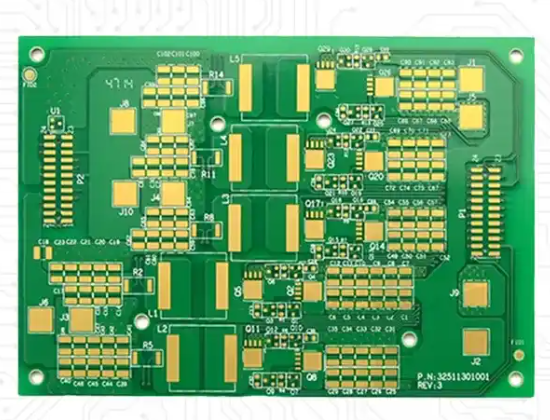
PCB Underfill Traceability: From Design to Repeatable Production Electronics manufacturing has become a discipline of small details. Solder paste volumes, placement accuracy, temperature profiles and inspection limits all add up to the final result. This guide looks at PCB underfill traceability from the perspective of a PCBA factory floor, covering…
PCB Underfill Risks: Design, Process, and Quality Notes Buyers and engineers often focus on the finished product and forget the production line behind it. In practice, most field failures can be traced back to process decisions made during assembly. Understanding PCB underfill risks gives you a practical advantage when you…
PCB Underfill Specification: Writing It Down Precisely Underfill is easy to request and hard to specify. A short note saying “apply underfill” leaves the material, the pattern, the cure and the acceptance criteria open to interpretation. Each of those choices changes how the joint behaves under thermal cycling and mechanical…
PCB Underfill Review: A Second Look Buyers and engineers often focus on the finished product and forget the production line behind it. In practice, most field failures can be traced back to process decisions made during assembly. Understanding PCB underfill review gives you a practical advantage when you choose a…
PCB Underfill Timing: Design and Assembly Considerations Buyers and engineers often focus on the finished product and forget the production line behind it. In practice, most field failures can be traced back to process decisions made during assembly. Understanding PCB underfill timing gives you a practical advantage when you choose…
PCB Underfill Sample: Design and Assembly Considerations Modern electronics depend on boards that are assembled correctly the first time. Every product – a phone, a charger, a medical instrument or an industrial controller – relies on thousands of solder joints that must conduct current for years. This article explains PCB…
PCB Underfill Handover: Design and Assembly Considerations Buyers and engineers often focus on the finished product and forget the production line behind it. In practice, most field failures can be traced back to process decisions made during assembly. Understanding PCB underfill handover gives you a practical advantage when you choose…
PCB Underfill Plan: A Practical Review for Manufacturing Teams Modern electronics depend on boards that are assembled correctly the first time. Every product – a phone, a charger, a medical instrument or an industrial controller – relies on thousands of solder joints that must conduct current for years. This article…
PCB Underfill Limits: A Practical Review for Manufacturing Teams Electronics manufacturing has become a discipline of small details. Solder paste volumes, placement accuracy, temperature profiles and inspection limits all add up to the final result. This guide looks at PCB underfill limits from the perspective of a PCBA factory floor,…