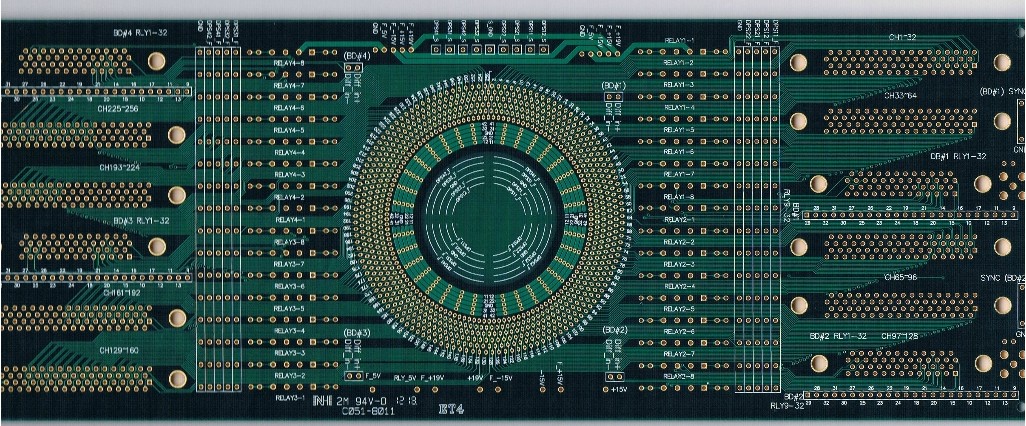
Resin Content Control in Laminates Resin content is the fraction of a laminate that is not glass fabric, expressed as a percentage by weight or by volume. It sounds like a manufacturing detail, but it is the variable that sets the effective dielectric constant, the flow during lamination, the finished…
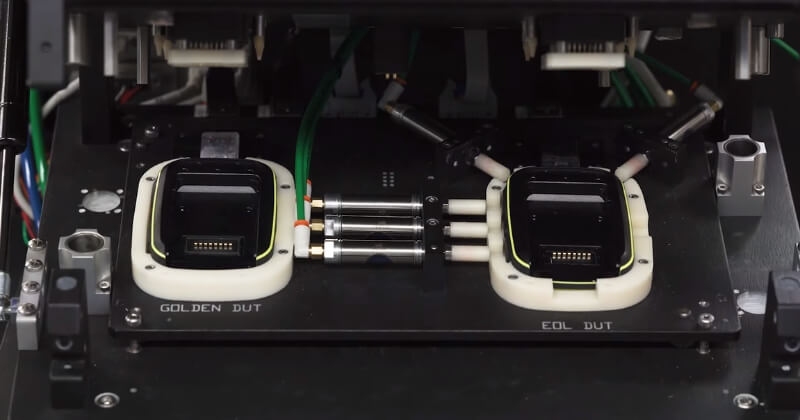
PCB ENIG Finish Plan: What Buyers and Engineers Should Check Modern electronics depend on boards that are assembled correctly the first time. Every product – a phone, a charger, a medical instrument or an industrial controller – relies on thousands of solder joints that must conduct current for years. This…
PCB ENIG Finish Maintenance: From Design to Repeatable Production Modern electronics depend on boards that are assembled correctly the first time. Every product – a phone, a charger, a medical instrument or an industrial controller – relies on thousands of solder joints that must conduct current for years. This article…
Stencil Aperture Home Plate Design for Fine Pitch Printing A stencil aperture is a hole through which paste is pushed, and its shape decides how much paste is deposited and how cleanly the deposit releases from the walls. For most components the aperture is a straightforward rectangle slightly smaller than…
Glass Fabric Effect on PCB Properties A glass reinforced laminate is a composite of glass fabric and resin, and the fabric is not a passive filler. The style of the weave, the thickness of the yarn and the proportion of resin determine the dielectric constant, the mechanical stiffness, the drilling…
Low Loss Laminate Selection A low loss laminate is chosen when the insertion loss of a channel has become the limit on the design. The loss comes from the dielectric and from the copper, and the two contributions have different frequency behaviour and different remedies. Selecting a material without separating…
Rogers Material Guide for High Frequency Boards Rogers is a brand name that has become a shorthand for the family of laminates used in high frequency and microwave work. The family covers several chemistries, from a soft polytetrafluoroethylene to a ceramic filled composite and a thermoset material, and they are…
PCB ENIG Finish Defects: A Practical Review for Manufacturing Teams Electronics manufacturing has become a discipline of small details. Solder paste volumes, placement accuracy, temperature profiles and inspection limits all add up to the final result. This guide looks at PCB ENIG finish defects from the perspective of a PCBA…
PCB ENIG Finish Setup: Process Details and Inspection Points Modern electronics depend on boards that are assembled correctly the first time. Every product – a phone, a charger, a medical instrument or an industrial controller – relies on thousands of solder joints that must conduct current for years. This article…
PCB Silkscreen Selection: What Matters on the Production Line Electronics manufacturing has become a discipline of small details. Solder paste volumes, placement accuracy, temperature profiles and inspection limits all add up to the final result. This guide looks at PCB silkscreen selection from the perspective of a PCBA factory floor,…