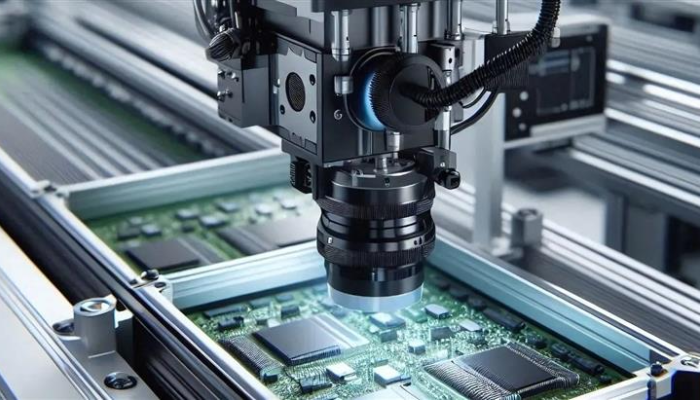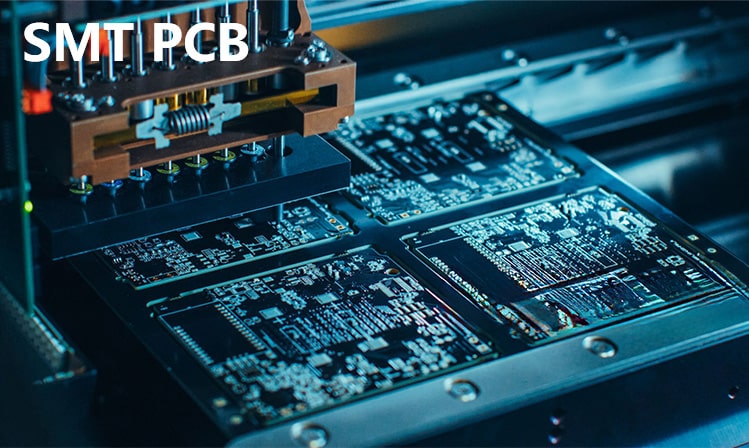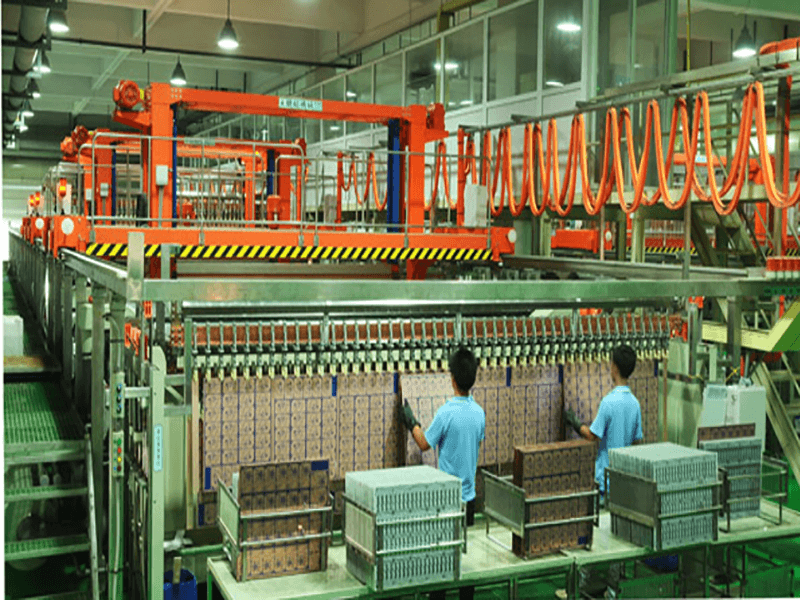
PCB SPI Environment: Key Process and Quality Checks Modern electronics depend on boards that are assembled correctly the first time. Every product – a phone, a charger, a medical instrument or an industrial controller – relies on thousands of solder joints that must conduct current for years. This article explains…
PCB SPI Traceability: A Factory-Floor Review Electronics manufacturing has become a discipline of small details. Solder paste volumes, placement accuracy, temperature profiles and inspection limits all add up to the final result. This guide looks at PCB SPI traceability from the perspective of a PCBA factory floor, covering tracing SPI…
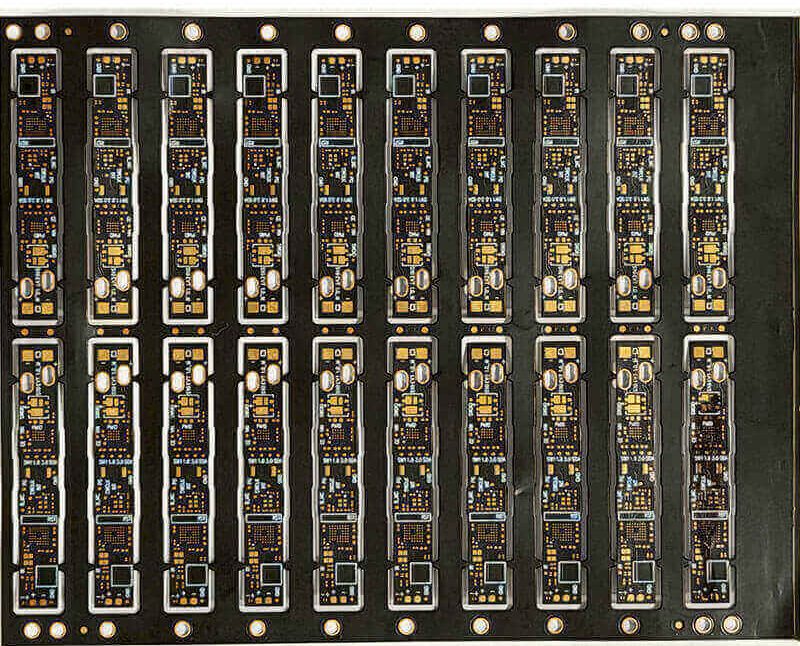
Panelization: Preparation, Placement and Process Control A panel is the format in which boards are fabricated and assembled. The panel carries several boards, a border that the machine can grip, tooling holes that locate it, fiducials that the placement machine uses to find it, and the tabs or score lines…
PCB SPI Timing: How Long It Takes: What Buyers and Engineers Should Check Buyers and engineers often focus on the finished product and forget the production line behind it. In practice, most field failures can be traced back to process decisions made during assembly. Understanding PCB SPI timing gives you…
PCB AOI Standards: Agreeing the Rules Automated optical inspection only works when both sides agree on what a defect looks like. A machine can flag a hundred joints, but the flag means nothing without a written limit behind it. Buyers and factories often sign a purchase order without settling those…
PCB AOI Defects: Design, Process, and Quality Notes Buyers and engineers often focus on the finished product and forget the production line behind it. In practice, most field failures can be traced back to process decisions made during assembly. Understanding PCB AOI defects gives you a practical advantage when you…
PCB AOI Setup: Getting Ready: A Practical Manufacturing Guide Modern electronics depend on boards that are assembled correctly the first time. Every product – a phone, a charger, a medical instrument or an industrial controller – relies on thousands of solder joints that must conduct current for years. This article…
PCB SPI Specification: Design and Assembly Considerations Buyers and engineers often focus on the finished product and forget the production line behind it. In practice, most field failures can be traced back to process decisions made during assembly. Understanding PCB SPI specification gives you a practical advantage when you choose…
PCB SPI Handover: Design and Assembly Considerations Electronics manufacturing has become a discipline of small details. Solder paste volumes, placement accuracy, temperature profiles and inspection limits all add up to the final result. This guide looks at PCB SPI handover from the perspective of a PCBA factory floor, covering handing…
Conformal Coating Application Methods Compared A conformal coating is a thin polymer film applied over an assembled board to protect it from moisture, contamination and the mechanical effects of the environment. The film itself is chosen for its chemistry, but the way it is applied determines whether it actually covers…