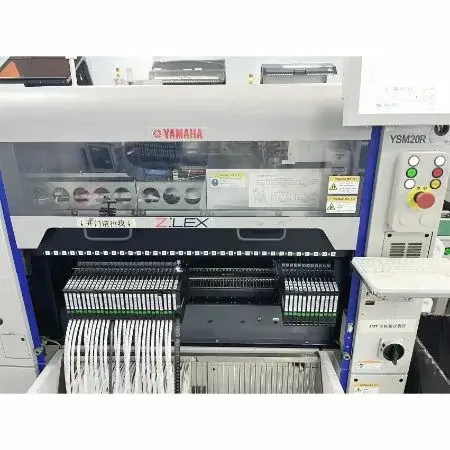
Solder Paste Inspection: What SPI Measures and Why Solder paste inspection measures the deposit that printing leaves on the pads, before any component is placed. It is the one process in surface mount assembly where the input can be measured directly, and a printer that is drifting will show up…
Instrumentation Amplifier: Design Rules and Process Limits An instrumentation amplifier is chosen for its common mode rejection and its stable gain, and it is often blamed for noise that comes from somewhere else. Splitting the noise into the contributions of the amplifier, the source impedance and the gain setting network…
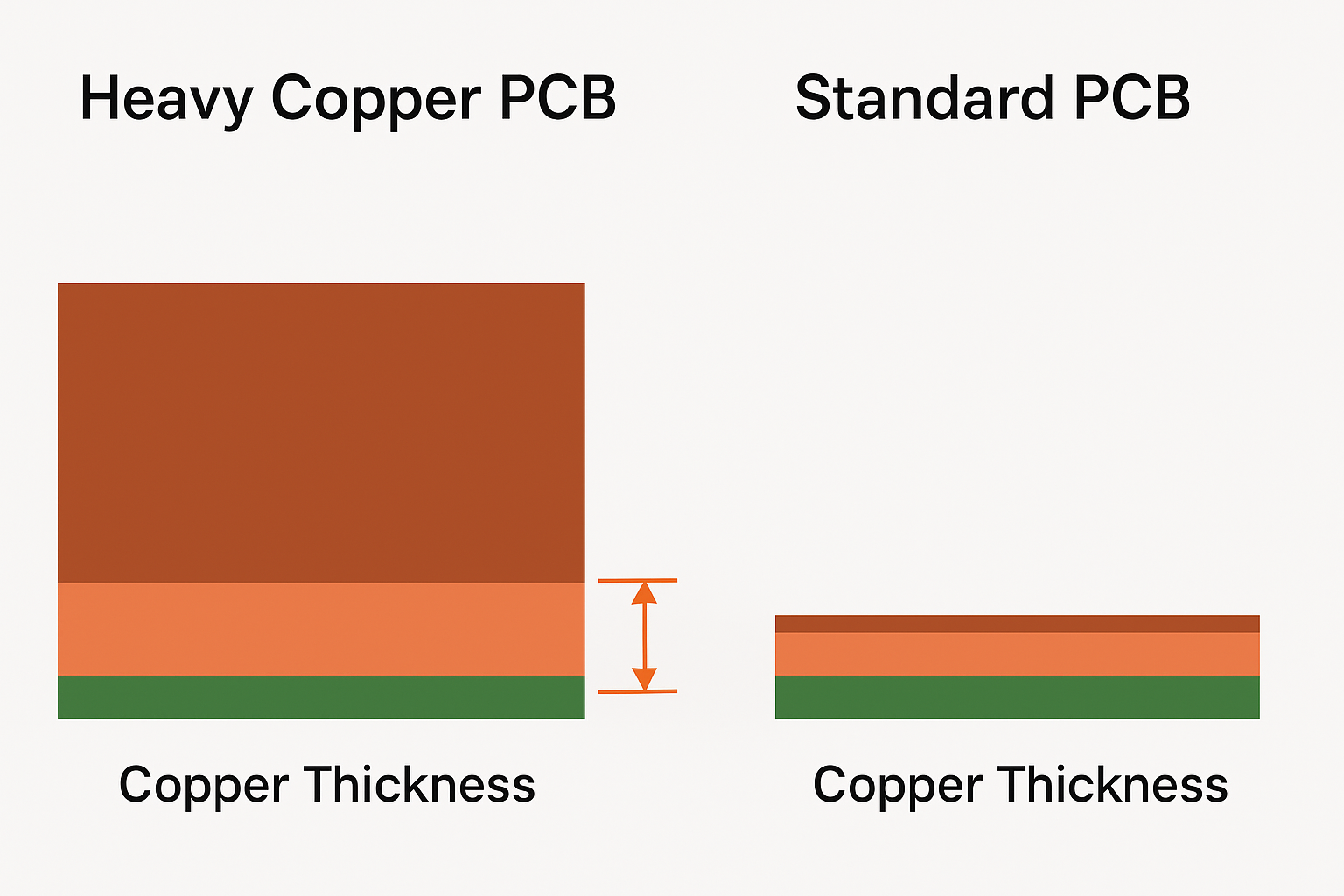
Embedded Busbar Technology in High-Current Multilayer PCBs High-current boards carry continuous currents that thick copper foil struggles to handle. Etching 6 oz or 12 oz copper is difficult, and line width tolerance drifts as side etching grows. Joule heating then raises local temperature and stresses the copper-resin interface. Embedded busbar…
Prepreg and Laminate Storage Conditions for PCB Shops Prepreg is a partially cured resin system on a glass carrier, and it is designed to react when heat and pressure are applied. Long before that, it is reacting slowly with whatever moisture is in the air around it. Storage conditions determine…
PCB CAD Layer Colour Setup for Faster, Safer Layout Layout tools display a dozen layer types at once, and the eye can only separate them if the colours do the work. A deliberate layer colour scheme is a design aid rather than a preference, because it decides which mistakes are…
Solder Paste Powder Size And Flux Activity Solder paste is a suspension rather than a single material. It consists of small spheres of solder alloy held in a flux vehicle, and the two halves of that mixture have separate jobs. The powder melts and forms the joint, while the flux…
PCB Design Efficiency Through Early Schematic Verification Most of the time in a board project is spent looking for mistakes rather than drawing copper. Improving design efficiency therefore means removing error sources before layout starts, rather than routing faster once it has. Where the Time Actually Goes A typical flow…
Time of Flight Sensor Interface Design A time of flight sensor measures the delay between a light pulse leaving an emitter and its return to a detector, and converts that delay into a distance. The delay for a metre is about six and a half nanoseconds, so the whole design…
Schematic and Layout Cross Selection Without Dragging Nets Cross selection is the link that lets a block be chosen in the schematic and then found, moved or inspected in the layout. It saves a great deal of time, and it produces a familiar annoyance when the wrong objects come along…
PCB Acceptance Criteria: What Passes and What Fails Acceptance criteria decide whether a board ships or returns to the line. They turn a vague promise of quality into a written rule that inspectors can apply the same way on every shift. The rule covers the class, the limits, the sample…