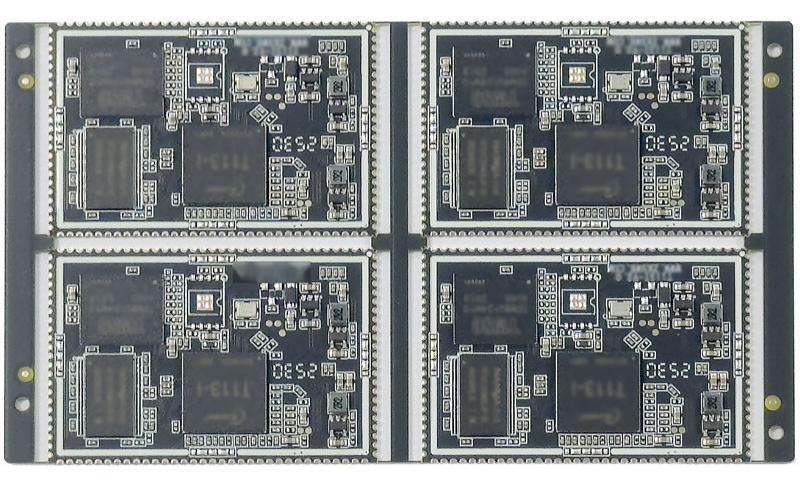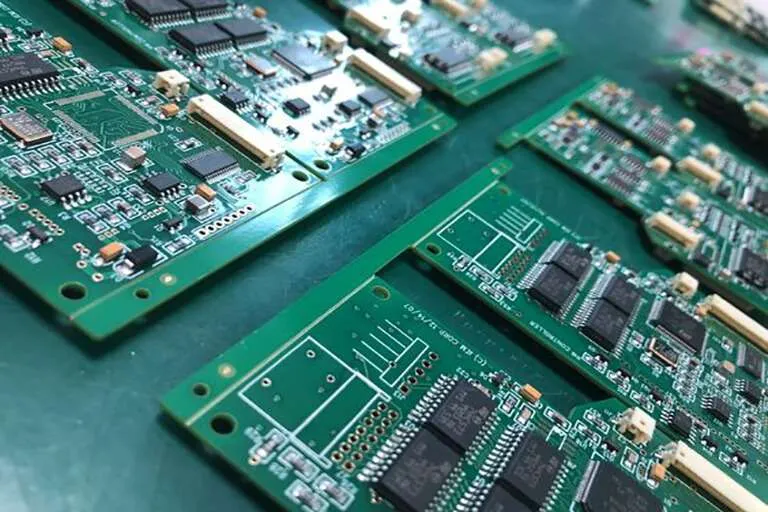
Second Side Reflow and Component Retention Methods When a board has components on both sides, the second pass through the oven heats parts that are already attached and upside down. Some of them stay in place because the molten solder holds them, and some do not. Understanding which category a…
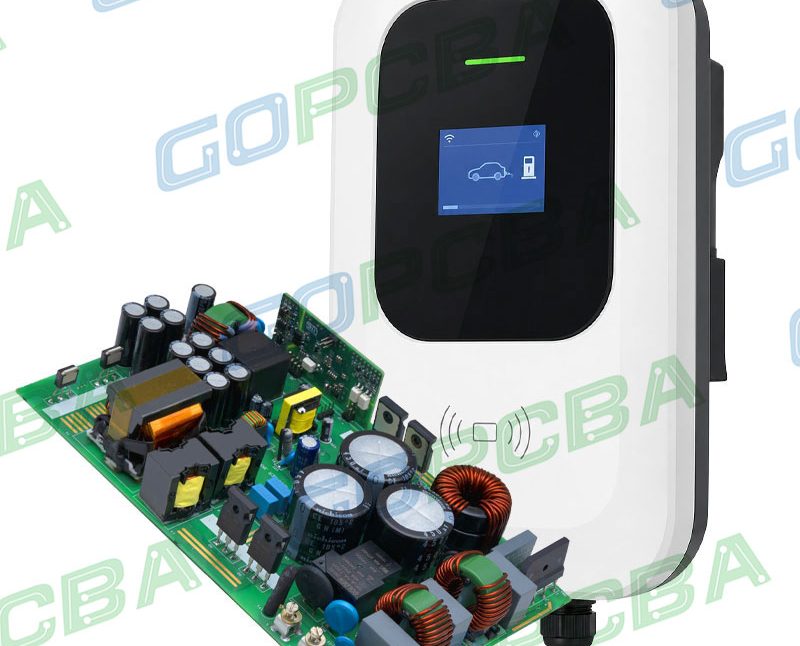
Potting and Encapsulation of PCB Assemblies Potting and encapsulation surround the assembly with a material that protects it from moisture, contamination and mechanical damage. They also change the thermal path, the serviceability and the stresses on the components, and none of those effects is reversible. What Encapsulation Buys The material…
Moisture Sensitivity Levels and Floor Life Control A sealed bag of components carries more information than most people read. The label states a moisture sensitivity level, and that number quietly defines how long the parts may sit on the factory floor before they must be dried again. Ignore it and…
Percussion Massager Drive Design and Power Budget A percussion massager drives a small motor back and forth against a spring, and the electronics have to deliver a controlled amount of energy per stroke from a battery while keeping the pressure on a muscle rather than on a joint. What the…
Vibration and Shock Design for PCB Assemblies A product that is transported, mounted in a vehicle or used on machinery will see vibration and shock, and the assembly is usually the part that is designed last for it. The failures that follow are not random: a heavy part on a…
PCB Barcode Placement: From Design to Repeatable Production Buyers and engineers often focus on the finished product and forget the production line behind it. In practice, most field failures can be traced back to process decisions made during assembly. Understanding PCB barcode placement gives you a practical advantage when you…
PCB Inkjet Marking Durability: A Practical Manufacturing Guide Modern electronics depend on boards that are assembled correctly the first time. Every product – a phone, a charger, a medical instrument or an industrial controller – relies on thousands of solder joints that must conduct current for years. This article explains…
PCB Data Matrix Marking: Design, Process, and Quality Notes Modern electronics depend on boards that are assembled correctly the first time. Every product – a phone, a charger, a medical instrument or an industrial controller – relies on thousands of solder joints that must conduct current for years. This article…
PCB Laser Marking Contrast: Design, Process, and Quality Notes Buyers and engineers often focus on the finished product and forget the production line behind it. In practice, most field failures can be traced back to process decisions made during assembly. Understanding PCB laser marking contrast gives you a practical advantage…
PCB Serial Number Tracking: Design, Process, and Quality Notes Electronics manufacturing has become a discipline of small details. Solder paste volumes, placement accuracy, temperature profiles and inspection limits all add up to the final result. This guide looks at PCB serial number tracking from the perspective of a PCBA factory…