PCB Vendor Managed Inventory: Who Owns the Shelf Vendor managed inventory sounds simple until someone asks who owns the parts. A supplier stocks components at your site or at a hub, and you draw them down as production runs. The shelf looks the same either way, but the ownership, the…
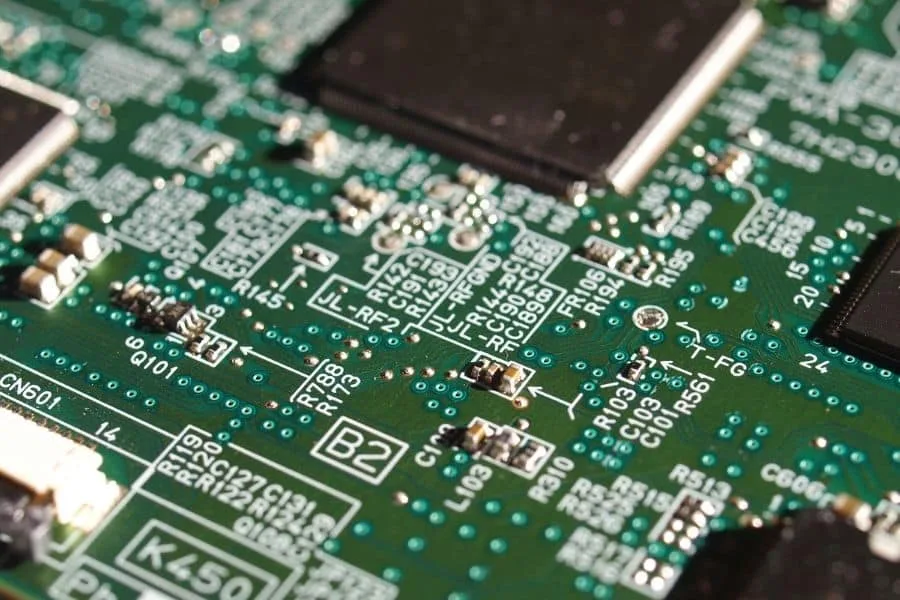
PCB Product Change Notification: From Design to Repeatable Production Electronics manufacturing has become a discipline of small details. Solder paste volumes, placement accuracy, temperature profiles and inspection limits all add up to the final result. This guide looks at PCB product change notification from the perspective of a PCBA factory…
PCB Last Time Buy: What Buyers and Engineers Should Check Buyers and engineers often focus on the finished product and forget the production line behind it. In practice, most field failures can be traced back to process decisions made during assembly. Understanding PCB last time buy gives you a practical…
Humidity Sensor: Design Rules and Process Limits Humidity is one of the harder environmental quantities to measure, because the sensing element is in direct contact with the air and therefore with everything the air carries. Dust, chemical vapours and condensation all affect the reading, and a sensor that is accurate…
Thermal Simulation: Copper, Airflow and Junction Temperature A thermal simulation predicts the temperature of a component from its dissipation and its surroundings. Where the prediction is wrong, the usual cause is one of three inputs: the copper, the airflow or the interface. What the Simulation Needs The dissipation of each…
Battery Charging and Management on a Board A battery charger is a power converter with a measurement problem attached. It must deliver current safely, measure the battery’s condition accurately and stop at the right moment, and each of those depends on the layout. The Charge Profile The profile is usually…
Spray Fluxing in Wave Soldering: Nozzle, Volume and Coverage Spray fluxing is the step that decides whether a wave soldered joint can form at all, and it is also the step most often left on default settings. The flux has to be applied in the right amount, in the right…
PCB Minimum Order Quantity: Process Details and Inspection Points Buyers and engineers often focus on the finished product and forget the production line behind it. In practice, most field failures can be traced back to process decisions made during assembly. Understanding PCB minimum order quantity gives you a practical advantage…
PCB Expedite Fees: Process Details and Inspection Points Electronics manufacturing has become a discipline of small details. Solder paste volumes, placement accuracy, temperature profiles and inspection limits all add up to the final result. This guide looks at PCB expedite fees from the perspective of a PCBA factory floor, covering…
PCB Laminate Selection for Mixed Circuits A product that contains a radio, a processor and a sensor front end on one board puts three different electrical requirements on the same laminate. Selecting the material is a compromise between the loss the radio can tolerate, the impedance the digital interfaces need…